Pakistan Grapples With Surge in Militant Attacks, March Becomes Deadliest Month in a Decade
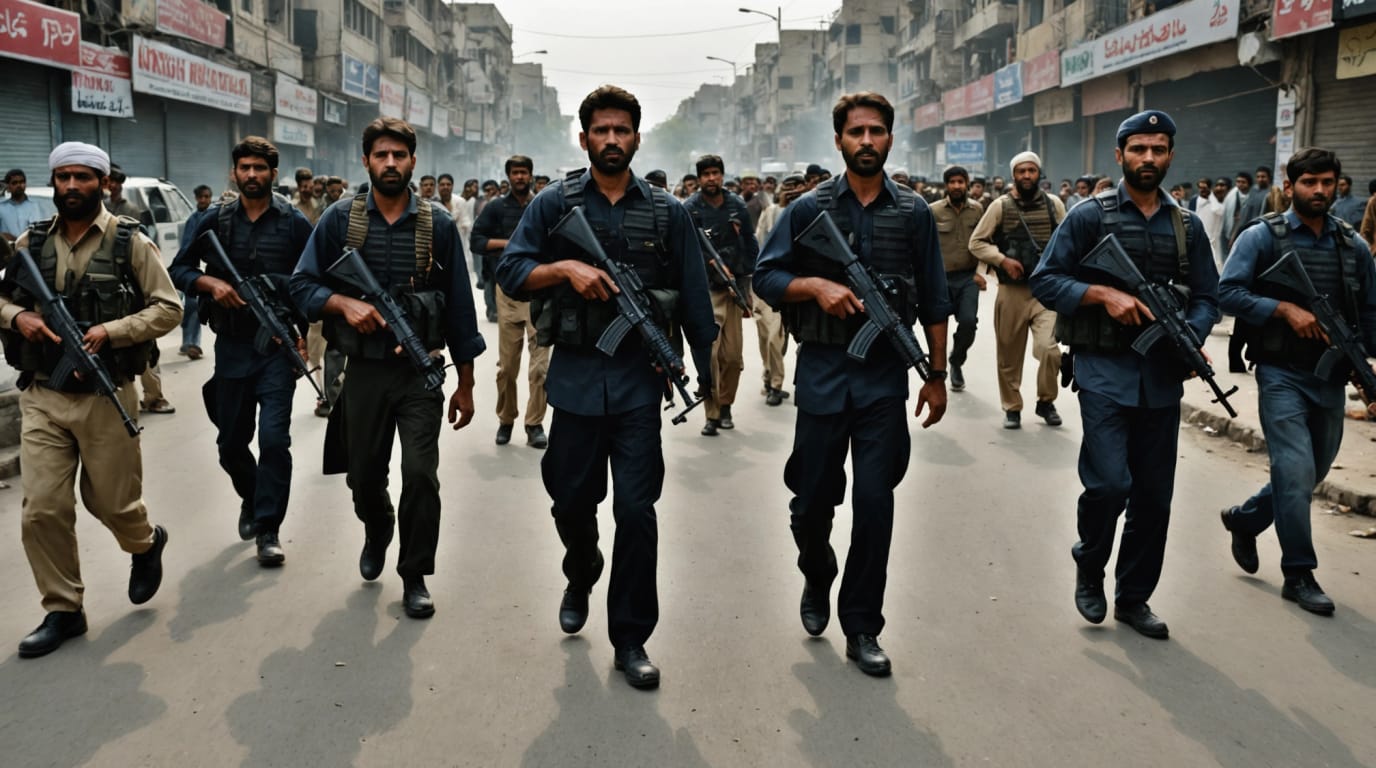
Pakistan is facing a significant escalation in militant violence, with March 2025 marking the deadliest month in nearly a decade. A surge in attacks, primarily concentrated in the western provinces, has resulted in a high number of casualties, raising concerns about the country's security situation and the resurgence of militant groups.
Spike in Militant Activity
Data released by the Pakistan Institute for Conflict and Security Studies (PICSS) reveals a concerning trend: militant attacks in March surpassed 100 for the first time since November 2014. The think tank reported 105 militant attacks during the month, resulting in 228 fatalities. The deceased included 73 security personnel, 67 civilians, and 88 militants. Additionally, 258 people were injured, comprising 129 security personnel and an equal number of civilians.
The PICSS Militancy Database (PMD) indicates that March 2025 recorded the highest overall fatalities since August 2015. The month also saw the highest number of security forces casualties since January 2023, when 114 personnel lost their lives. It was the second deadliest month for security forces in the past decade, following January 2023.
Suicide Attacks on the Rise
A particularly alarming aspect of the recent surge in violence is the increase in suicide attacks. March saw six suicide bombings, the highest number in a single month in recent years. These attacks resulted in 59 fatalities, including 15 civilians, 11 security personnel, and 33 militants, while 94 others were injured, including 56 security personnel and 38 civilians. Three of these attacks occurred in Balochistan, two in Khyber Pakhtunkhwa (KP), and one in the erstwhile FATA, now part of KP's tribal districts.
Regional Disparities and Key Incidents
Balochistan and Khyber Pakhtunkhwa remain the most affected provinces. One of the most notable incidents was the hijacking of the Jaffar Express by the Baloch Liberation Army (BLA) Bashir Zeb group on March 11, resulting in the deaths of at least 26 hostages and 33 militants. The province also witnessed three suicide attacks, one vehicle-borne bombing. A female suicide bomber, reportedly from the BLA Herbyar Marri faction (BLA-Azad), carried out one attack, while another was claimed by the BLA Bashir Zeb faction. A suspected suicide bombing targeting a BNP-Mengal rally remained unclaimed.
Khyber Pakhtunkhwa reported the highest number of total deaths — 206 — comprising 49 security personnel, 34 civilians and 123 militants. Of these, 82 fatalities occurred in the tribal districts, formerly part of the Federally Administered Tribal Areas (FATA), where security operations also intensified.
Militant Activity in Punjab
A significant increase in militant activity was observed in Punjab, where at least seven attacks, mostly attributed to Tehreek-i-Taliban Pakistan (TTP), were recorded. According to the data, this marks the highest number of militant incidents in a single month in Punjab over the past decade. Six of these attacks occurred in Dera Ghazi Khan, where the TTP has been attempting to expand its presence along the KP border. The province reported six fatalities, three civilians and three militants. In response to the growing threat of militancy, security forces intensified their operations in Punjab.
Ramzan Attacks Reach Decade High
Adding to the concerns, Pakistan experienced the highest number of militant attacks during Ramzan in a decade. The Pak Institute for Peace Studies reported 84 attacks during Ramzan 2025, compared to 26 incidents during the previous year's holy month. This escalation follows the Pakistani Taliban's unilateral termination of the government ceasefire in November 2022, coupled with the Baloch Liberation Army's enhanced operational capabilities.
Factors Contributing to the Surge
Several factors are believed to be contributing to the resurgence of militancy in Pakistan. These include:
- The TTP's ceasefire withdrawal: The Tehrik-i-Taliban Pakistan (TTP) unilaterally ended its ceasefire with the government in November 2022, leading to a significant increase in attacks.
- BLA's enhanced capabilities: The Baloch Liberation Army (BLA) has strengthened its operational capacity to carry out coordinated attacks, particularly in Balochistan.
- Regional alliances: There are reports of various militant groups forming alliances, with Baloch factions uniting and the Hafiz Gul Bahadur group becoming increasingly lethal in the northwestern regions.
- Cross-border sanctuaries: Islamabad has repeatedly blamed Afghanistan for providing shelter to militant groups targeting civilians and security forces in cross-border attacks, an allegation denied by the authorities in Kabul.
Implications and the Way Forward
The surge in militant attacks has significant implications for Pakistan's security and stability. The increased violence could undermine investor confidence, disrupt economic activity, and exacerbate existing social and political tensions.
The Pakistani government faces a complex challenge in addressing the resurgence of militancy. A multi-pronged approach is needed, including:
- Strengthening security measures: Enhancing intelligence gathering, improving border security, and conducting targeted operations against militant groups are crucial.
- Addressing root causes: Addressing the underlying socio-economic and political grievances that fuel militancy is essential for long-term stability.
- Promoting regional cooperation: Working with neighboring countries to address cross-border militancy and prevent the flow of arms and fighters is vital.
- Counter-narrative efforts: Developing and implementing effective counter-narratives to challenge extremist ideologies and promote peace and tolerance is necessary.
The recent surge in militant attacks serves as a stark reminder of the ongoing challenges Pakistan faces in its fight against terrorism. A comprehensive and sustained effort is needed to address the root causes of militancy, strengthen security measures, and promote regional cooperation to ensure lasting peace and stability in the country.


