Pakistan Intensifies Crackdown, Expelling Thousands of Afghan Migrants
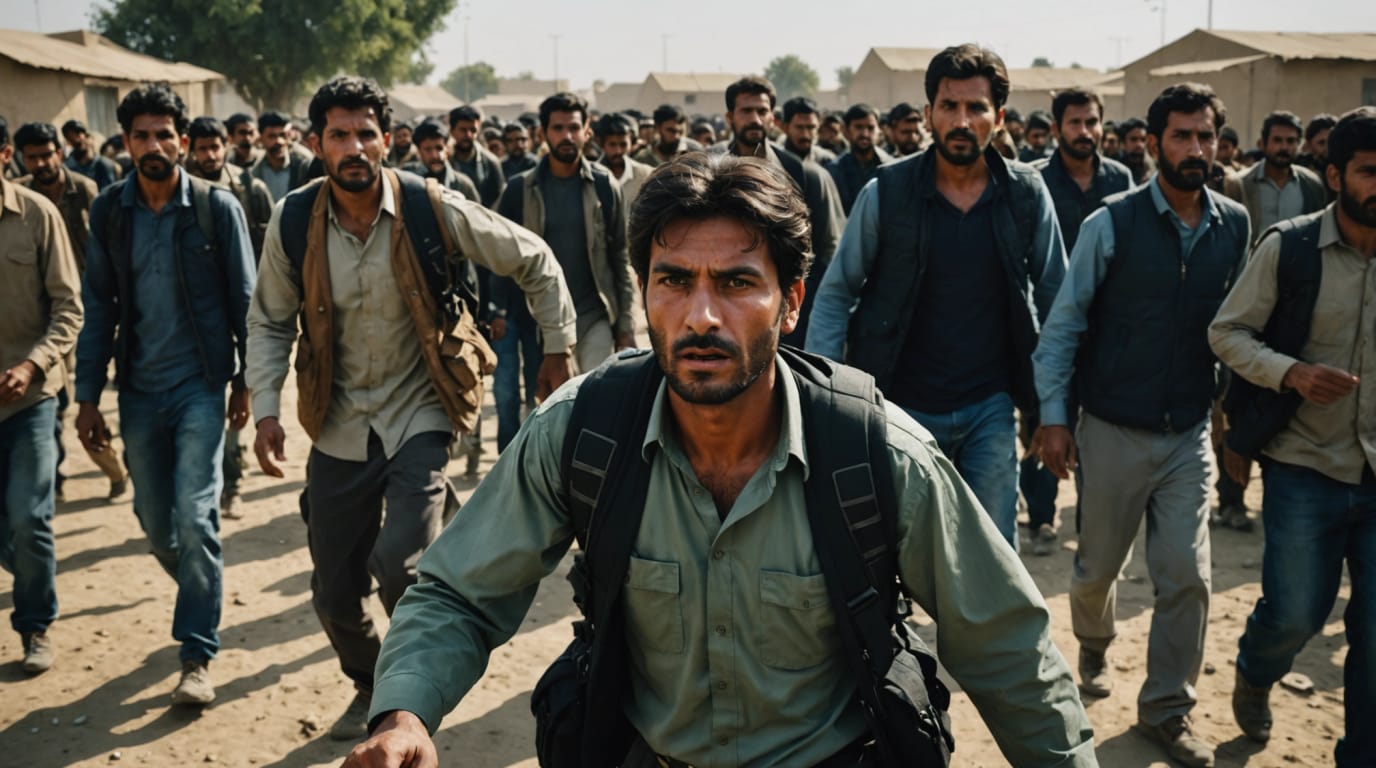
Pakistan is ramping up its efforts to deport Afghan nationals, expelling thousands in recent weeks as part of a broader campaign targeting undocumented migrants. The move has sparked condemnation from human rights groups and the Taliban government in Afghanistan, raising concerns about the safety and well-being of those being forced to return.
Deportation Drive Gains Momentum
Pakistani authorities have intensified their crackdown following a March 31 deadline for Afghans holding Afghan Citizen Cards (ACC) to leave the country. The United Nations High Commissioner for Refugees (UNHCR) reported that at least 8,906 Afghan nationals have been deported since April 1. A Pakistani government official confirmed the increased deportations, stating that "our campaign is gaining momentum, and the crackdown against illegal immigrants has been intensified."
The deportation drive is part of a larger initiative that began in October 2023, aimed at expelling foreigners living in Pakistan illegally, the majority of whom are Afghans. Islamabad maintains that the campaign is necessary to clamp down on illegal immigration and address security concerns.
Concerns for Deportees
Human rights organizations have voiced serious concerns about the deportations, citing the potential risks faced by those being returned to Afghanistan. Fereshta Abbasi of Human Rights Watch stated that "Pakistan is abandoning its international commitment to not send people back to where their rights are at risk."
Many Afghans crossing the border have reported leaving their homes with limited belongings or money, with some being rounded up and taken directly to the border. The Taliban government in Afghanistan has condemned the "violence" used by Pakistan during the expulsion process.
Impact on Afghan Refugees
Pakistan has long been a host country for Afghan refugees, with millions seeking shelter within its borders over the past several decades due to conflict and instability in Afghanistan. According to Pakistani government estimates, the country currently hosts more than 2.5 million Afghans.
Of these, approximately 1.3 million possess a Proof of Registration (PoR) card, issued by the UNHCR, while another 800,000 hold an ACC. However, recent policy changes have rendered the ACC invalid as proof of legitimate residence, placing hundreds of thousands at risk of deportation. An estimated one million Afghans are believed to be in the country without any documentation.
The International Organization for Migration (IOM) estimates that around 845,000 Afghans have left Pakistan in the last 18 months. Pakistan has stated its intention to expel up to 3 million Afghans this year.
Shifting Deadlines and Uncertain Futures
Initially, authorities had set a deadline of March 31 for ACC holders to leave Islamabad and Rawalpindi. Those with Proof of Registration were granted permission to stay until June 30. However, the recent surge in deportations suggests a more aggressive approach by Pakistani authorities.
Tens of thousands of Afghans who fled after the Taliban takeover in 2021, and were approved for resettlement in the U.S., now face an uncertain future.
Regional Implications
The mass deportation of Afghans from Pakistan has the potential to further destabilize an already fragile region. Afghanistan is grappling with a severe humanitarian and economic crisis, and the influx of returning refugees could exacerbate these challenges.
The United Nations special rapporteur has expressed concerns about the treatment of Afghans in Pakistan and called for a more humane approach. As Pakistan continues its deportation drive, the international community is closely monitoring the situation, urging both countries to uphold the rights and dignity of Afghan refugees.
Pakistan's intensified crackdown on Afghan migrants marks a significant shift in its long-standing policy of hosting refugees. While Pakistan defends its actions as necessary for national security and economic stability, human rights groups and international organizations are raising alarms about the potential consequences for vulnerable Afghan populations. The situation remains fluid, with the fate of millions of Afghans in Pakistan hanging in the balance.


