Pakistan Walks Diplomatic Tightrope as Iran War Pressures Mount
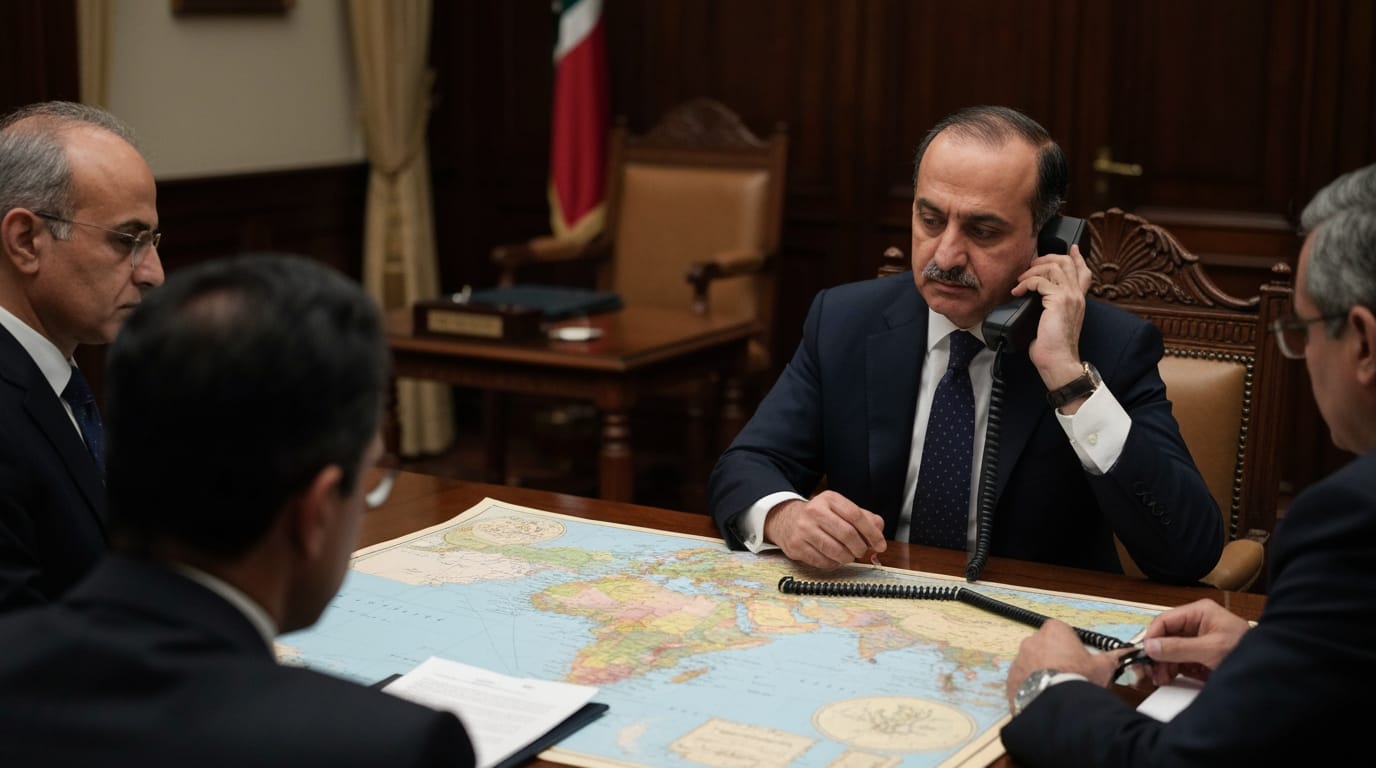
ISLAMABAD, Pakistan – As the volatile conflict between Iran, the United States, and Israel intensifies, Pakistan finds itself thrust into an unenviable yet pivotal role: that of an indispensable, albeit highly scrutinized, mediator. The delicate balancing act, underpinned by complex historical alliances and pressing national interests, has recently escalated, notably after reports emerged of Iranian military aircraft allegedly seeking refuge on Pakistani soil and President Donald Trump's swift rejection of Tehran's latest peace proposal. This dynamic places Islamabad under immense pressure, forcing it to navigate a treacherous diplomatic landscape where regional stability, economic survival, and strategic partnerships hang in a precarious balance.
The Unlikely Peacemaker Emerges Amidst Regional Inferno
The "Iran war," ignited on February 28, 2026, by US-Israeli strikes against Iran and subsequent Iranian retaliation against Israel and Gulf states, has plunged the Middle East into a profound crisis. In the midst of this escalating hostility, Pakistan, a nation grappling with its own internal challenges, has unexpectedly risen as a critical interlocutor. Its efforts culminated in the successful brokering of a temporary ceasefire on April 8, 2026, followed by its extension by President Trump, a diplomatic feat that brought warring parties to the negotiation table in Islamabad. This mediation represents a significant shift for Pakistan, previously often perceived as a "pariah state" due to its economic fragility and internal issues.
Pakistan's unique position stems from its ability to maintain direct communication channels with both the Trump administration, particularly through Army Chief Asim Munir, and the Iranian leadership. General Munir's unusually warm personal rapport with President Trump, whom he once described as "my favorite field marshal," has lent considerable operational weight to Pakistan's diplomatic endeavors. This access has allowed Islamabad to shuttle proposals and facilitate high-level talks, a role that many other nations with stronger economies or more established diplomatic reputations failed to achieve. Pakistan's efforts are rooted in a clear recognition that conflict and instability in the Gulf directly threaten its own economic, energy, and security interests, making de-escalation a structural imperative.
A Diplomatic Minefield: Pressures from All Sides
Pakistan's ascent as a mediator, however, has not come without significant pitfalls and intensified scrutiny from various international actors. The nation now faces a complex web of pressures, testing its resolve and diplomatic dexterity.
Scrutiny from Washington: Reports on May 11, 2026, by American broadcaster CBS, alleging that Iranian military aircraft were parked at Pakistan's Nur Khan Air Base to shield them from potential US airstrikes, immediately sparked renewed debate and concern in Washington. While Pakistan's Foreign Ministry dismissed the reports as "misleading and sensationalized," it did not deny the presence of the aircraft, stating they arrived during a ceasefire and had "no linkage whatsoever to any military contingency." US Republican Senator Lindsey Graham reacted sharply, asserting that if the reporting was accurate, it would necessitate "a complete reevaluation of the role Pakistan is playing as mediator." This incident revives long-standing accusations from American officials regarding Pakistan's "double game," questioning its ability to simultaneously maintain close security ties with the US while preserving strategic relationships with America's adversaries. The delicate balance between allowing some trade with sanctioned Iran and avoiding punitive US measures remains a constant challenge.
Expectations from Riyadh: Compounding Pakistan's challenges are its deep-seated strategic and defense ties with Saudi Arabia. In September 2025, Pakistan signed a Strategic Mutual Defense Agreement (SMDA) with Riyadh, a pact committing both nations to treat an act of aggression against one as an act against both. With Iran having targeted Gulf states in its retaliatory strikes, Saudi Arabia has formally invoked this pact, putting immense pressure on Islamabad to honor its commitments. While Pakistan has offered air defense cooperation and covert intelligence support to Saudi Arabia, full military involvement would drag it directly into the conflict, risking severe domestic and international repercussions. This situation forces Pakistan to placate Saudi concerns while trying to maintain its diplomatic space with Iran.
Iranian Sensitivity and Border Concerns: While Iran has accepted Pakistan as a mediator and utilized its channels to communicate with the US, there is a inherent risk. Tehran could perceive Pakistan as a conduit for American pressure rather than a neutral facilitator. Moreover, Pakistan shares a nearly 1,000-kilometer border with Iran, an area historically prone to cross-border tensions. Iran has previously warned Pakistan to crack down on Sunni militants allegedly operating from Pakistani soil and carrying out attacks within Iran. This shared border and the complex security dynamics in regions like Balochistan, where armed separatist groups operate, mean that any direct conflict could have immediate and severe spillover effects for Pakistan.
A Balancing Act of National Interest and Geopolitical Strategy
Pakistan's decision to mediate is deeply rooted in its national interests, encompassing economic stability, regional security, and diplomatic leverage.
Economic Imperatives: The ongoing conflict severely aggravates Pakistan's already fragile economy. The closure or disruption of key trade routes like the Strait of Hormuz, through which 85% to 90% of Pakistan's oil and liquefied natural gas (LNG) imports flow, drives fuel prices to record highs and fuels inflation. A surge in global oil prices above $100 per barrel has significantly increased Pakistan's import bill, straining its foreign exchange reserves and potentially triggering another emergency funding request from institutions like the IMF.
Beyond immediate energy concerns, Pakistan relies heavily on remittances from its diaspora in Gulf countries, which constituted $38.3 billion in 2025, with 60% to 65% originating from the Gulf. Any regional instability jeopardizes these vital inflows and risks the safety of millions of Pakistani expatriates. To mitigate the impact of US naval pressure on Iran, Pakistan has also begun opening new overland trade routes with Tehran, allowing goods to bypass the US blockade and potentially fostering greater economic connectivity with Central Asia. This move, while economically beneficial for both nations, underscores Pakistan's delicate navigation of international sanctions.
Geopolitical and Domestic Strategy: Pakistan's mediation efforts also serve broader strategic goals. By positioning itself as a peacemaker, Islamabad aims to enhance its international image and regain diplomatic visibility after years of being seen as a "pariah state." This role allows Pakistan to leverage its relationships with both the US and China, its closest strategic partner, who also seeks stability in energy flows.
Furthermore, maintaining neutrality in the Iran-Saudi rivalry is crucial for managing internal sectarian fault lines within Pakistan, a Sunni-majority country with a significant Shia minority. A policy of non-alignment, as demonstrated in 2015 when Pakistan refused to join the Saudi-led coalition in Yemen, allows Islamabad to balance its ties with both regional powers without exacerbating domestic divisions.
Navigating a Volatile Path
As the US and Iran continue to engage in a high-stakes diplomatic dance, with recent talks mediated by Pakistan failing to secure a permanent agreement and President Trump dismissing Iran's latest response as "totally unacceptable," the path ahead remains fraught with peril. The fragility of the current ceasefire and the deeply entrenched distrust between Washington and Tehran make Pakistan's mediating role exceptionally challenging.
Pakistan's unique leverage, stemming from its strategic location, historical ties, and military capabilities, has allowed it to emerge as a critical bridge between adversaries. However, this position also exposes it to immense risks, including the potential collapse of its economy, the erosion of vital alliances, and the exacerbation of internal tensions. As Islamabad strives to ensure regional stability, protect its economic lifelines, and solidify its evolving diplomatic identity, it continues to walk a precarious tightrope, underscoring the high stakes involved in its courageous, albeit pressured, efforts to avert a wider regional catastrophe.


