The Quiet Revolution: Islamic Feminism Gains Ground in Post-War Bosnia and Herzegovina

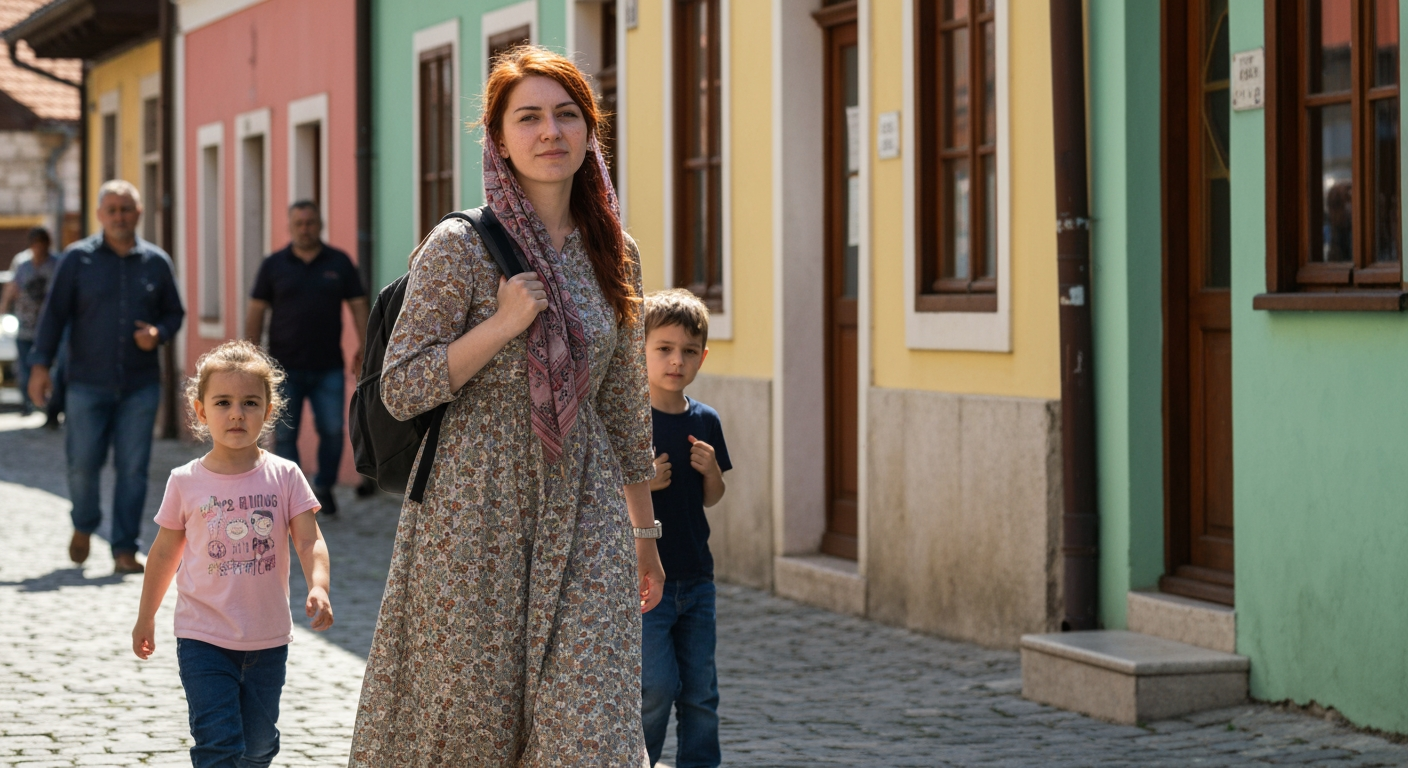
SARAJEVO – In the heart of Europe, Bosnia and Herzegovina is witnessing a subtle yet profound transformation as a distinctive form of Islamic feminism takes root, challenging deeply entrenched patriarchal norms and religious interpretations. Emerging from the crucible of war and navigating complex socio-political landscapes, this movement seeks to redefine gender roles within an Islamic framework, advocating for equality and justice guided by faith. This burgeoning activism, championed by academics, activists, and grassroots organizations, is not merely a theological debate but a crucial component of the nation's ongoing peacebuilding and democratic development.
Historical Trajectories and Post-War Emergence
Islamic feminism, largely unfamiliar in the Balkans before the 1990s, gained significant momentum in Bosnia and Herzegovina in the aftermath of the devastating 1992-1995 war. The conflict, marked by ethnic cleansing and widespread sexual violence, left deep scars and prompted a critical re-evaluation of societal structures and women's roles. In this period, the translation of influential works by scholars like Fatima Mernissi provided Bosnian Muslim women with new intellectual tools to reinterpret Islamic texts through a gender-sensitive lens, fostering a religiously informed feminism. This intellectual awakening provided a framework for healing and empowerment for war victims and facilitated a renewed sense of agency for Bosniak Muslim women.
During the socialist era in Yugoslavia (1945-1992), while women were encouraged to participate in public and political life, religious institutions often perpetuated traditional, patriarchal views, asserting that a woman's primary role was within the family. Displays of religious symbols were also restricted during this period due to the state's emphasis on secularism. However, the post-war landscape saw a resurgence of nationalist ideologies that paradoxically promoted a "re-traditionalization of gender roles," despite women's historical engagement in the public sphere. This complex backdrop underscored the necessity for an indigenous feminist discourse that could address both religious conservatism and secular marginalization.
Championing Equality: Key Figures and Organizations
At the forefront of this movement is Professor Zilka Spahić Šiljak, a prominent gender and religion studies scholar, who has been instrumental in advocating for Islamic feminism through education and non-governmental organizations. Her work emphasizes reclaiming religious narratives to highlight Islam's core principles of justice and equality for all. In 2006, Spahić Šiljak founded the TPO Foundation, an organization dedicated to promoting gender equality and intercultural dialogue by collaborating with educational institutions and local NGOs. Later, in 2021, she co-established the Feminism and Religion (FER) online school, which has already engaged hundreds of students in analyzing major Abrahamic religions from a gender equality perspective.
Beyond individual academics, a network of organizations actively contributes to the advancement of women's rights within a faith-based context. Medica Zenica, established in 1993 to offer counseling to women who endured wartime sexual violence, evolved into a crucial hub for developing Islamic feminist thought. Other significant groups include Nahla and Mali Koraci, both of which implement projects aimed at empowering women, often intertwining faith with practical support. The Women's Network BiH, an informal coalition of civil society organizations, champions women's rights and gender equality, promoting anti-discrimination and non-violence based on feminist values of peace and solidarity. Similarly, The United Women Banja Luka works to improve women's social standing and their right to live free from violence. These entities collectively work to bridge the divide between secular and religious feminism, as well as between activism and academia.
Diverse Activism and Societal Impact
The activism of Islamic feminists in Bosnia and Herzegovina extends to various critical areas. A central aim is the reinterpretation of Quranic texts to challenge patriarchal readings and advocate for gender equality within religious institutions. This includes pressing for greater representation of women in the Islamic Community's decision-making bodies and leadership positions, where they are currently underrepresented despite an increasing number of women working within the institution.
Furthermore, the movement actively confronts pervasive gender-based violence. Statistics indicate that a significant portion of Bosnian women, approximately 48%, have experienced some form of physical or psychological abuse since the age of 15. Islamic feminists work to address this through empowerment programs that encompass education, psychological support, and job training, especially for women in local grassroots organizations. These initiatives are vital in a society where gender stereotypes remain prevalent, with 84% of young Bosnians recognizing differing expectations for men and women.
The impact of Islamic feminism is observable in the intellectual and academic spheres, where the discourse around gender and religion has become more mainstream. Efforts are being made to integrate courses on gender and religion into university programs, signifying a growing recognition of the movement's academic legitimacy. The engagement with Islamic feminism also serves a broader peacebuilding agenda, contributing to a sense of agency for Bosniak Muslim women and challenging exclusionary ethnonationalist narratives that emerged from the war.
Navigating Resistance and Future Horizons
Despite its growing influence, Islamic feminism in Bosnia and Herzegovina faces considerable challenges. Resistance comes from conservative factions within religious institutions and a broader "anti-gender" movement that often frames gender equality as a threat to traditional family values and religious heritage. Additionally, Muslim women frequently encounter marginalization in both religious and secular environments, struggling for representation in leadership roles within the Islamic Community.
Legal ambiguities also pose hurdles, particularly regarding the display of religious symbols. While Bosnia and Herzegovina is a secular state that guarantees religious freedom, restrictions on wearing the hijab in public employment, such as in the judiciary, police, and army, highlight a complex interplay between secularism and religious expression. These bans disproportionately affect Muslim women, raising questions of intersectional discrimination. The concept of feminism itself was initially regarded as an oxymoron in some religious circles, underscoring the deep-seated misconceptions that activists strive to overcome.
Looking ahead, the movement seeks to expand its reach and solidify its achievements. Continued efforts focus on ensuring equal participation of women in decision-making processes, both within religious communities and state matters, to ensure their needs and interests are adequately addressed. By providing historical evidence of women's leadership in Islamic history, as highlighted by Mernissi's work, Bosnian Islamic feminists are empowering women to pursue political engagement without fear of religious contradiction. The 2003 Gender Equality Law, which mandates 40% female representation on political party lists, represents a legislative victory, though actual representation in parliament currently hovers between 17% and 20%. The journey for full gender equality in Bosnia and Herzegovina, rooted in both faith and justice, remains a continuous endeavor.
Related Articles

Mounting Frustration Grips Russia as Economic Hardship and War's Toll Deepen
Moscow, Russia – A palpable shift in public sentiment is emerging across Russia, with growing frustration among citizens fueled by a confluence of economic pressures, increasing internet restrictions, and the undeniable...

Germany's Strategic Calculus: Ukraine Aid is an Investment in European Security, Not Charity
Berlin – The ongoing provision of substantial aid to Ukraine by Germany and its allies is increasingly being framed not as an act of altruism, but as a crucial investment in European security and stability. This...