UK Politics in Turmoil: Starmer Under Siege as Farage's Reform Reshapes Landscape
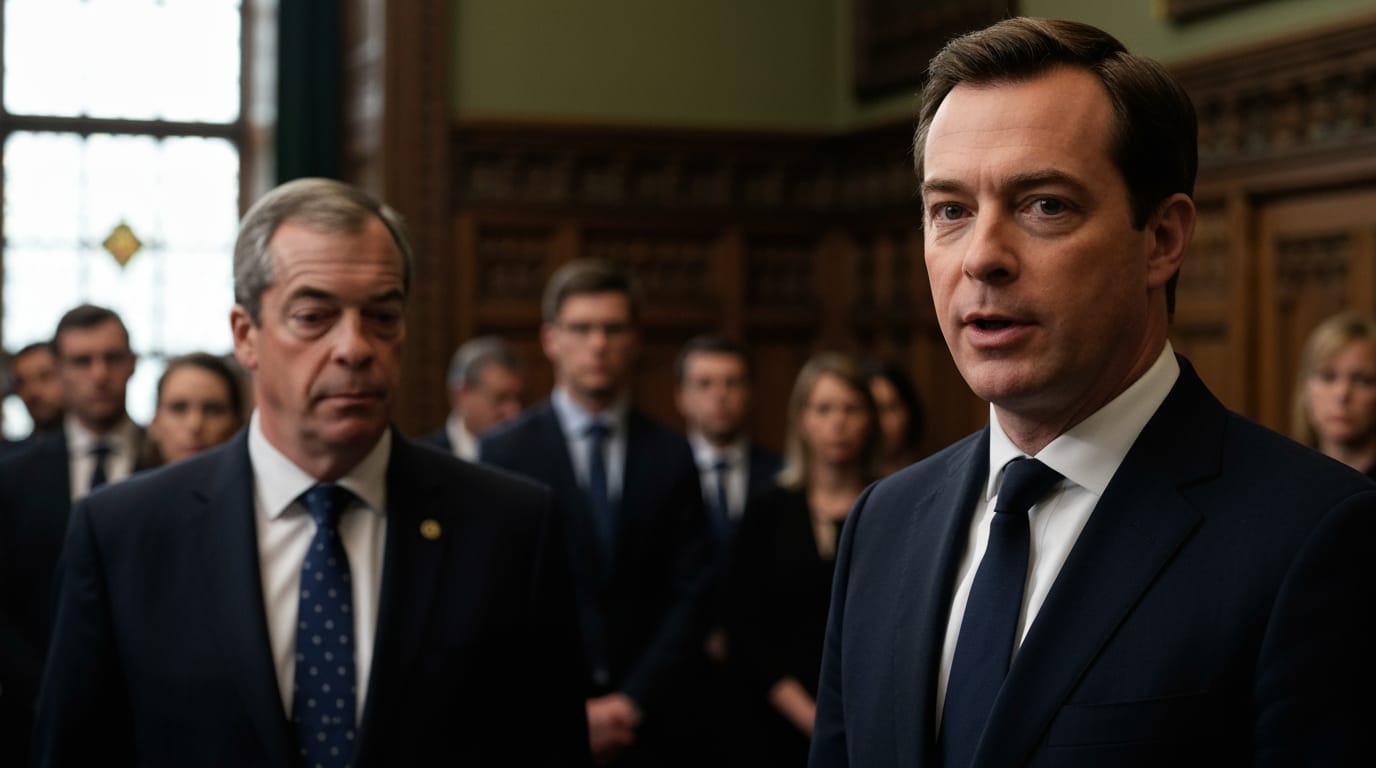
London, UK – Just under two years into his premiership, Keir Starmer finds his leadership of the Labour Party in an increasingly precarious position following a series of "disastrous" local election results in May 2026, while Nigel Farage and his Reform UK party have surged, fundamentally altering the calculus of British politics. The dramatic shift signals a period of profound uncertainty, challenging the traditional two-party dominance and intensifying calls for Starmer to address a restless electorate and a fracturing political base. As Labour grapples with internal dissent and declining approval, Reform UK's ascendance threatens to redrawing the electoral map, complicating paths to power for both major parties.
Starmer's Shaky Mandate and Internal Pressures
Prime Minister Keir Starmer, who led Labour to a "landslide victory" in the 2024 general election, ending 14 years of Conservative rule, is now fighting for his political survival. The recent local and regional elections delivered a harsh verdict, with Labour suffering significant losses and Starmer's personal favourability rating plummeting. As of April 2026, his net favourability stood at -45, with only 24% of Britons holding a favourable view, a figure largely unchanged in May 2026 at -46. The Labour Party's own favourability also dipped, reflecting broader public dissatisfaction, with 59% of the populace believing the country is heading in the wrong direction.
The electoral setbacks have ignited open dissent within Labour ranks, with several prominent figures reportedly positioning themselves for a potential leadership challenge. Health Secretary Wes Streeting notably resigned, issuing a critical assessment of Starmer's leadership, though he stopped short of formally launching a bid, instead advocating for a broader field of candidates. Greater Manchester Mayor Andy Burnham, a popular figure within the party, is also understood to be exploring avenues to return to Westminster, potentially through a by-election, making him a prospective contender. Angela Rayner, the former Deputy Prime Minister, having recently been cleared of a long-running tax case, also remains a potential challenger from the party's left wing. Despite the mounting pressure, Starmer has remained resolute, asserting he will "fight any challenge" that comes his way, and allies contend that a leadership contest would be a disruptive and ill-timed distraction. To trigger a formal leadership election, a challenger would require the nominations of 20% of Labour MPs, a threshold currently set at 81. While over 100 MPs reportedly signed a letter opposing a leadership contest, the underlying discontent signals a turbulent period for the ruling party.
The Resurgent Right: Farage and Reform UK's Ascendance
While Starmer navigates internal strife, Nigel Farage's Reform UK party has become an undeniable force, reshaping the right-wing political landscape. Farage, a veteran Eurosceptic who previously led the UK Independence Party (UKIP) and founded the Brexit Party (rebranded as Reform UK in 2021), returned to front-line politics as the leader of Reform UK in 2024 and secured a seat as MP for Clacton. His enduring appeal to a segment of the electorate, cultivated over decades through his prominent role in the Brexit campaign and his media presence, has translated into significant electoral gains.
The May 2026 local elections served as a powerful demonstration of Reform UK's growing influence. The party almost doubled its number of seats from the previous year, taking control of 14 new councils. Nationally, Reform topped the poll in terms of votes cast, securing a quarter of the total and surpassing both Labour and the Conservatives in many areas. Farage's populist rhetoric, often focusing on issues like immigration and a critique of the "political elite," resonates with disillusioned voters across the political spectrum. However, Farage is not without his own controversies, currently facing a formal investigation by the parliamentary standards commissioner over a £5 million gift from a crypto billionaire, which he initially described as for security purposes, before later stating it was a "reward" for his Brexit campaigning.
A Fractured Landscape: Impact on the Major Parties
The rise of Reform UK has profound implications for both the Conservative and Labour parties, exacerbating an already fragmented political landscape. For the Conservatives, Reform UK poses an existential threat, as the vast majority of Reform voters in the 2024 general election had previously supported the Tories. This significant splitting of the right-wing vote contributed heavily to the Conservative's historic defeat in 2024, when they secured only 121 seats and saw their vote share plummet by 20%. The fear among Conservatives is that Reform UK will continue to siphon off their traditional voters, making their path to recovery increasingly challenging.
However, Reform UK's impact extends beyond the Conservative heartlands. The party has also made inroads into traditional Labour areas, attracting what some observers describe as "disillusioned members of Labour's traditional base." While Reform's success in the 2024 general election primarily came at the expense of the Conservatives, lowering the threshold for Labour to win seats, its recent performance in local elections suggests a growing ability to draw support from Labour's left flank, particularly in areas where Labour's vote is perceived to be falling. This dynamic presents a dual challenge for Starmer: not only does he contend with internal party struggles, but he must also articulate a vision that can counter Farage's populist appeal and retain the support of working-class voters who feel unrepresented by the political establishment.
The Road Ahead: Electoral Calculus and Uncertainties
The current political climate in the UK is characterized by unprecedented volatility, with the traditional two-party system appearing increasingly fragile. Reform UK's ability to campaign successfully on two fronts – attracting disaffected Conservatives while also drawing from Labour's traditional base – indicates a shift towards a more multi-party environment. This fragmentation significantly complicates the electoral calculus for any future general election.
For Keir Starmer, navigating this landscape requires a delicate balance. He must consolidate his leadership against internal challenges, while simultaneously addressing public discontent and articulating a compelling agenda that can distinguish Labour from both the populist right and a beleaguered Conservative Party. His government's ability to deliver on promises amidst a stagnant economy and high inflation will be critical to restoring public trust and securing his long-term position.
Nigel Farage, meanwhile, appears poised to exert continued influence, regardless of Reform UK's parliamentary seat count. Having achieved a seat in Parliament himself, he has cemented Reform UK as a credible force, positioned as an alternative for voters frustrated with mainstream politics. The question remains how Reform UK's sustained support will translate into future electoral outcomes, particularly as it continues to challenge the dominance of the two major parties and potentially further fragments the vote.
The intertwined fates of Starmer and Farage will undoubtedly define the coming chapters of British politics. Starmer's ability to survive the current turbulence and re-energize his party will hinge on his capacity to demonstrate decisive leadership and address the deep-seated anxieties that Farage and Reform UK so effectively tap into. As Farage continues to wield significant political weight from the wings, or increasingly from within Westminster, his presence guarantees a dynamic and unpredictable political future for the United Kingdom.


