Pamplona Ignites: Famed Running of the Bulls Festival Commences Amidst Enduring Spectacle and Controversy
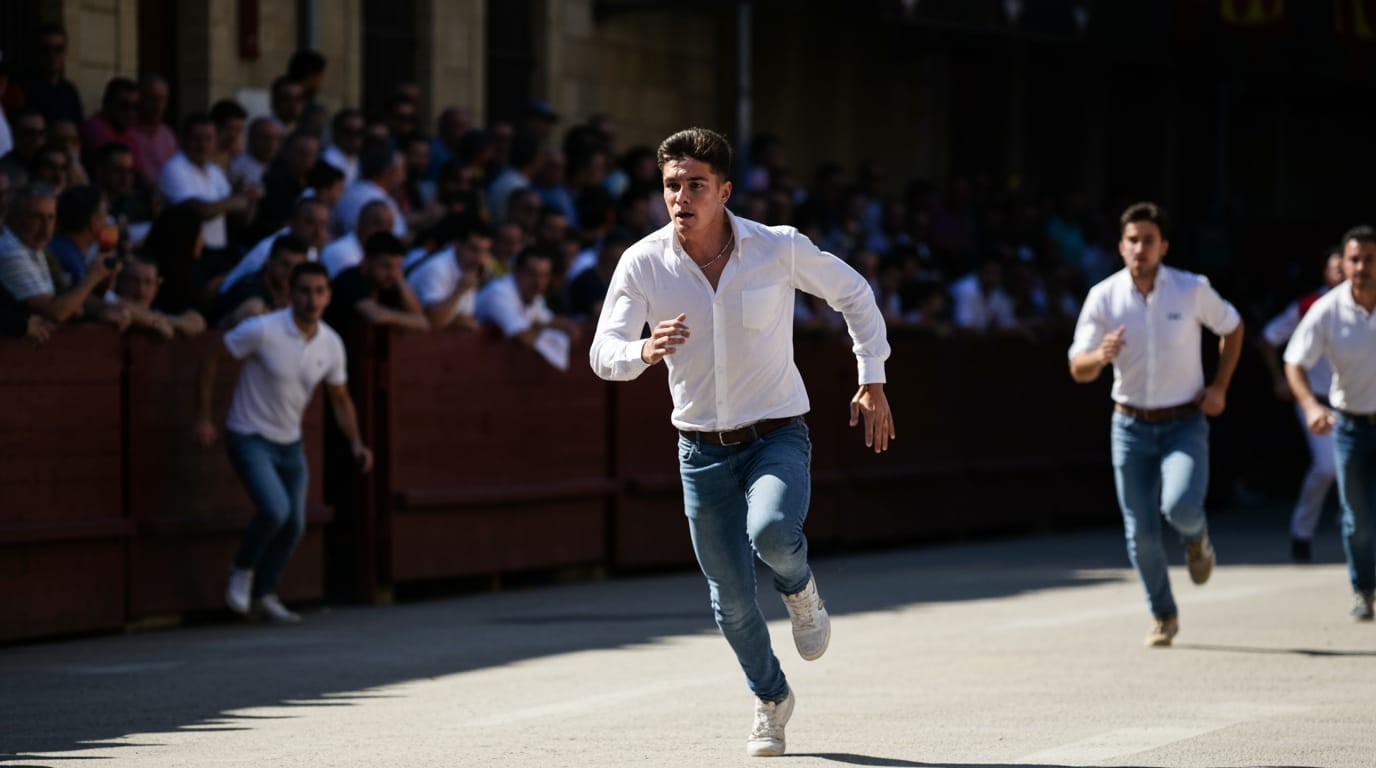
PAMPLONA, Spain – The ancient streets of Pamplona have once again erupted in a vibrant sea of white and red as Spain’s world-renowned San Fermín festival officially commenced today, ushering in nine days of revelry and the adrenaline-fueled daily running of the bulls. Thousands of participants and spectators from across the globe have converged on this northern Spanish city for the annual event, a spectacle that remains deeply woven into the fabric of Spanish culture, even as it draws persistent scrutiny over safety and animal welfare concerns.
The festival, with its medieval origins, is a powerful blend of tradition, religious observance, and raw exhilaration. Kicking off with the iconic "Chupinazo" rocket launch at noon on July 6th, the celebration officially begins from the balcony of Pamplona's City Hall, signaling an explosion of joy, singing, and a communal spray of champagne and sangria among the packed crowds. This initial burst of energy sets the stage for the main event: the "encierro," or running of the bulls, which begins tomorrow morning, July 7th.
The Enduring Spectacle: A Dash Through History
Each morning, precisely at 8:00 a.m. from July 7th to July 14th, six formidable fighting bulls and their accompanying steers are released onto a barricaded course stretching approximately 875 meters (around half a mile) through Pamplona's narrow, cobblestone streets. The brief, intense dash typically concludes in two to four minutes, as the animals are guided into the city’s bullring. This daily event, steeped in history, originated in the Middle Ages as a practical method for herders to transport bulls from city corrals to the bullring for market or bullfights. Over centuries, it evolved into a test of bravery, with local men running ahead of the beasts.
The San Fermín festival itself, honoring Saint Fermín, Pamplona's patron saint, was moved from September to July in 1591 to capitalize on better weather and to coincide with a large trade fair, thus cementing the bull run as its most prominent feature. The festival's international renown received a significant boost from American author Ernest Hemingway, who vividly depicted its drama and spirit in his 1926 novel, "The Sun Also Rises." Today, thousands of individuals, clad in traditional white shirts and trousers with red scarves, gather to either participate in the run or witness the breathtaking spectacle from balconies lining the route. Participants must be at least 18 years old and adhere to strict rules to minimize risks.
The Perilous Pursuit: Risks and Realities
The running of the bulls is an inherently dangerous undertaking, a reality underscored by the annual toll of injuries and, tragically, occasional fatalities. While the short duration of the run belies its intensity, the sheer number of runners and the unpredictable nature of the bulls contribute to a high-risk environment. Each year, between 50 and 100 people sustain injuries, with the majority resulting from falls, trampling, or collisions with other participants. Goring, though less frequent, poses the most severe threat. Since official record-keeping began in 1910, 16 individuals have died during the Pamplona encierros, primarily due to gorings, with the most recent fatality occurring in 2009.
To mitigate these dangers, extensive medical services are deployed along the route, with approximately 200 healthcare professionals collaborating daily. Despite these precautions, the allure of testing one's courage against a charging bull remains a powerful draw for many. The rapid succession of rocket blasts signals key moments during the run: the first marks the release of the bulls from their corral, the second indicates all six bulls are on the street, and subsequent rockets confirm their entry into the bullring and its bullpen, marking the run's conclusion.
A Battle of Tradition Versus Ethics
The enduring popularity of the running of the bulls is met with increasingly vocal opposition from animal welfare organizations worldwide. Groups such as PETA, AnimaNaturalis, and World Animal Protection consistently condemn the festival, citing concerns about animal cruelty inherent in the event and the subsequent bullfights. Critics highlight that the bulls, often agitated before the run, face a terrifying experience as they are herded through crowded streets. The primary point of contention, however, is the fate of these animals: every bull that participates in the morning run is later killed in an afternoon bullfight. Opponents argue that this practice is barbaric and has no place in modern society.
Animal rights activists in Spain have launched campaigns like #NoEsMiCultura ("It's Not My Culture") to challenge the legal designation of bullfighting as "cultural heritage" and advocate for its prohibition. Polling data suggests a growing sentiment among Spaniards against bullfighting, with some studies indicating that a majority oppose the practice. Beyond animal welfare, the festival has also faced criticism regarding what some describe as a "macho atmosphere," and there have been reports and concerns about sexual harassment, prompting authorities to increase police presence and surveillance in recent years.
Economic Engine and Global Appeal
Despite, or perhaps because of, its controversies, the San Fermín festival remains a colossal economic engine for Pamplona. As a major global tourism event, it attracts millions of visitors annually, significantly boosting the local economy. The festival generates an estimated €150 million in economic impact for the city each year, driving fierce demand for hotel rooms, food, transportation, and souvenirs. Hotels are often booked months in advance at premium rates, and local businesses experience a substantial surge in sales, sometimes accounting for a large percentage of their annual revenue. The influx of tourists also creates numerous temporary employment opportunities, providing a vital economic stimulus to the region.
The festival’s unique blend of cultural immersion, historical resonance, and sheer thrill continues to draw an international crowd, solidifying its status as a bucket-list destination for many. Even during periods of economic downturn, when visitor spending habits have shifted, the sheer volume of attendees ensures its financial significance. Supporters of the festival often emphasize its importance to regional identity and tradition, viewing it as an indispensable part of their cultural heritage.
A Celebration Enduring in the Balance
As the San Fermín festival unfolds, Pamplona once again finds itself at the crossroads of ancient tradition and contemporary debate. The electrifying charge of the bulls through the city streets, the palpable sense of danger, and the festive atmosphere continue to captivate participants and spectators alike. Yet, the vibrant celebration is inextricably linked to the profound ethical questions surrounding animal welfare and the inherent risks to human life. This dichotomy ensures that while the rockets signal the joyous beginning of another San Fermín, the conversations about its future will continue to resonate long after the final bull enters the ring.


