Southern Europe Engulfed: Wildfires Force Mass Evacuations, Stretch Firefighting Resources
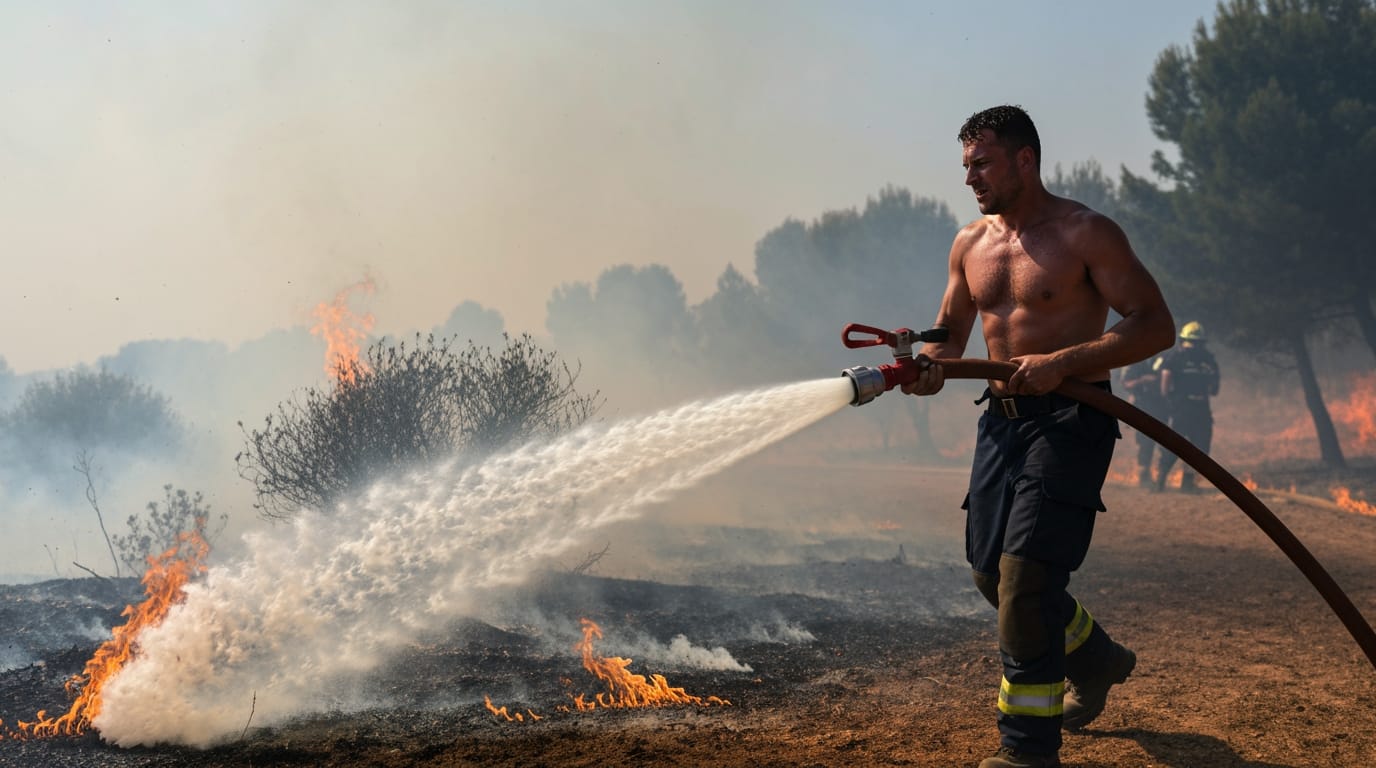
Southern Europe is battling a relentless onslaught of wildfires, igniting a severe crisis across Portugal, Spain, France, and Greece. Thousands have been forced to evacuate their homes as blazes, fanned by intense heat and dry conditions, consume vast swathes of land, stretching emergency services to their limits. The current conflagrations, coupled with forecasts for continued scorching temperatures, underscore the region's vulnerability to extreme weather patterns exacerbated by climate change.
The infernos have already scorched over 19,000 hectares — an area more than twice the size of Manhattan — since the weekend, prompting urgent calls for international assistance and raising concerns about public health due to toxic smoke. As firefighters from across Europe join the battle, the scale of the devastation highlights an alarming new normal for the Mediterranean summer.
A Continent Ablaze: The Immediate Impact
The most immediate and critical concern remains the active wildfires raging across multiple nations. In Portugal, a massive blaze in the central Vouzela area has burned for more than three days, engulfing 13,000 hectares by Sunday. While emergency services report 80% containment, dangerous hot spots persist, requiring the deployment of over 1,200 firefighters, nearly 400 vehicles, and 15 aircraft. Spain and Italy have dispatched reinforcements, including 120 firefighters, 45 vehicles, and three firefighting aircraft, to aid Portugal's exhausted crews.
Across the border in France, a "gigantic" wildfire near Perpignan in the remote foothills of the Pyrenees has nearly tripled in size since Sunday, consuming 5,000 hectares and leading to the evacuation of more than 10,000 residents. French Interior Minister Laurent Nuñez noted deteriorating conditions on Monday, with wildfires now active in five departments. The severity of the situation even led to the unprecedented decision to ban spectators from a stage of the Tour de France cycling race.
Spain is simultaneously contending with a significant blaze in the northeastern Girona region that has burned approximately 2,200 hectares since Friday, with a perimeter spanning 40 kilometers. In Greece, a fast-moving fire at a recycling plant near Thessaloniki has caused toxic smoke, prompting authorities to issue evacuation alerts for three suburbs and a facility housing 157 people with disabilities, urging others to remain indoors. Separately, a major wildfire also erupted west of Athens in a pine forest, engaging 210 firefighters, volunteers, and 29 aircraft in containment efforts.
The Unseen Enemy: Heatwaves and Climate Change
The current wave of wildfires is inextricably linked to the severe and prolonged heatwaves that have gripped the region. Temperatures are once again forecast to reach 40°C in the coming days, following a record-breaking June that saw unprecedented heat across western Europe. This extreme heat, combined with strong winds and exceptionally dry air, creates a "powder keg" environment where fires ignite easily and spread with devastating speed.
Scientists consistently link these intensifying conditions to climate change, describing the Mediterranean basin as warming 20% faster than the global average. This leads to longer and more frequent fire seasons, with the window for severe "fire weather" expanding beyond traditional summer months into spring and autumn. The atmosphere's increased capacity to hold moisture under rising temperatures aggressively draws water from vegetation and soil, creating hyper-arid fuel loads that burn explosively. The World Weather Attribution group of scientists stated that the extreme temperatures recorded in June would have been "virtually impossible" without the climate crisis.
Human Element: Causes and Prevention Challenges
While extreme weather sets the stage, human actions often provide the spark. Negligence is a primary cause, accounting for an estimated 85% of wildfires in Greece. Sparks from agricultural machinery, discarded cigarettes, and outdoor barbecues are frequently cited culprits. In the case of the Thessaloniki recycling plant fire, a 76-year-old man was arrested on suspicion of negligence, accused of generating sparks with his vehicle that ignited roadside vegetation.
Beyond immediate ignitions, long-term societal changes contribute to heightened fire risk. Rural depopulation, particularly in Mediterranean Europe, has led to abandoned agricultural lands and decreased maintenance of forested areas. This results in an accumulation of dry vegetation, acting as readily available fuel for fires. Additionally, the expansion of urban areas into wildlands increases the interface where human activity meets combustible natural environments, raising the potential for accidental fires.
A Coordinated European Response and Lingering Scars
The European Union's Civil Protection Mechanism (UCPM) has become a critical tool in coordinating the cross-border response to these escalating crises. This year, the European Commission has deployed a record number of firefighters, with 777 personnel from 14 countries strategically pre-positioned in high-risk areas across Southern Europe. Additionally, 22 firefighting airplanes and five helicopters from the EU fleet are on standby to support nations under duress. Portugal and France both activated the UCPM over the weekend, leading to rapid deployment of Swedish and Cypriot aircraft to France, and Spanish and Italian ground crews and aircraft to Portugal.
The economic and environmental costs of these recurring blazes are substantial. Wildfires significantly decrease a region's annual GDP growth rate by an estimated 0.11% to 0.18%, translating to a yearly production loss of 13 to 21 billion euros for Southern Europe. Beyond immediate destruction, fires leave lasting environmental scars. Burned soil takes years to recover, and the loss of vegetation and altered soil structure make these areas highly vulnerable to devastating floods following heavy rainfall, creating a dangerous chain reaction of climate-related disasters.
The human toll is also tragic. An analysis of wildfires in Spain, Portugal, Greece, and Sardinia from 1945 to 2016 recorded 865 fatalities, with civilians often being the most affected group. Greece, in particular, showed the highest rate of fatalities per 100,000 hectares burned annually during that period.
Looking Ahead: A Sustained Challenge
As Southern Europe braces for what authorities warn will be a long fire season, the focus remains on immediate containment while acknowledging the deeper, systemic challenges. The increasing frequency and intensity of wildfires, driven by a changing climate and shifting land-use patterns, necessitate a comprehensive and sustained approach. This includes enhanced prevention strategies, improved forest management, public awareness campaigns to reduce human-caused ignitions, and strengthened international cooperation. The recurring summer blazes serve as a stark reminder of the urgent need for adaptation and mitigation efforts to protect lives, livelihoods, and the natural environment of this vital European region.


