Peace Talks Aim to Resolve Conflict Between DR Congo and M23 Rebels
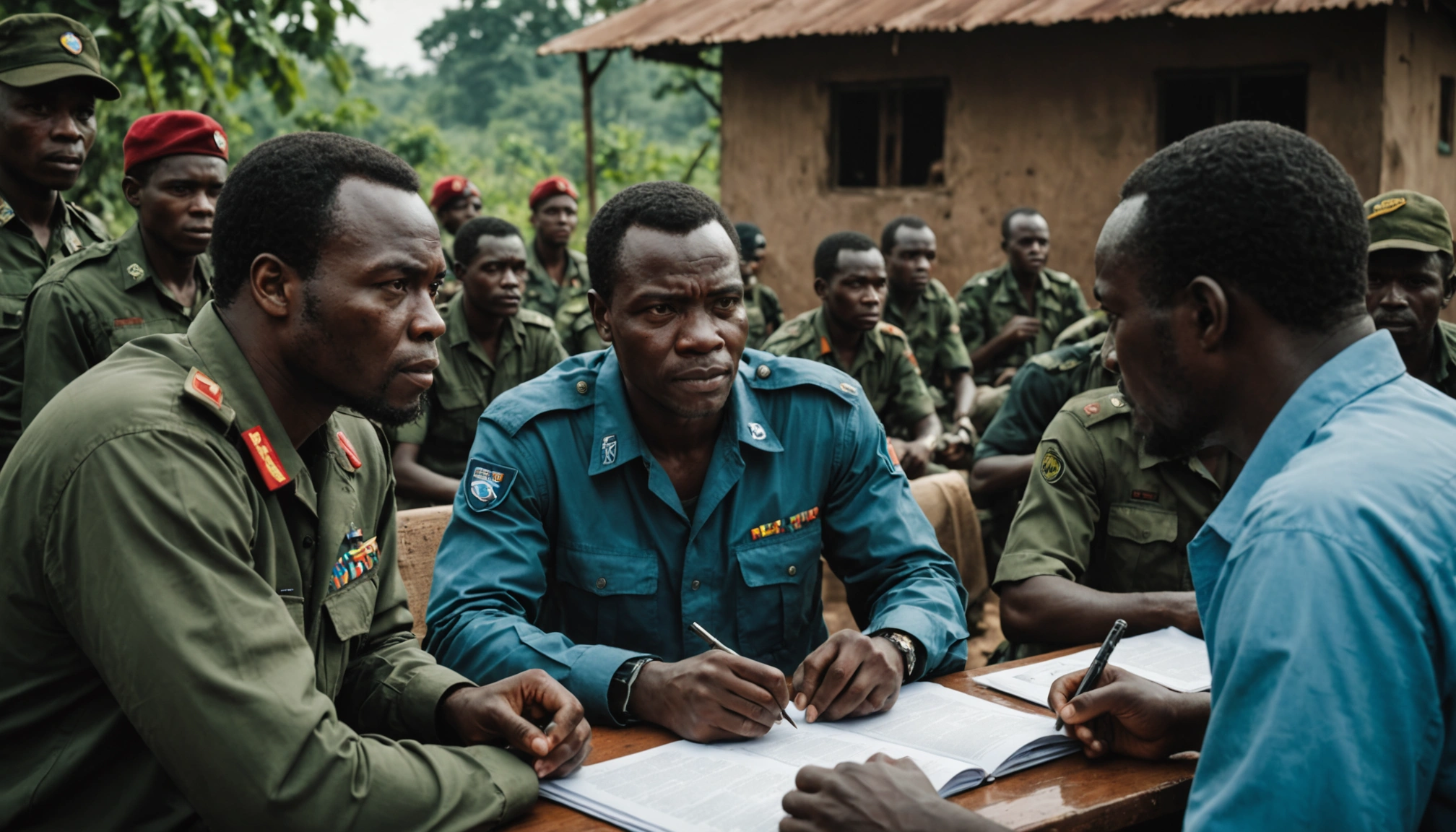
Efforts to quell the ongoing conflict between the Democratic Republic of Congo (DRC) and the M23 rebel group are underway, with planned peace talks in Doha raising hopes for a potential resolution. However, previous attempts at dialogue have faltered, and significant challenges remain in achieving lasting stability in the region.
M23 Withdraws From Walikale as Goodwill Gesture
In a move signaling potential progress, M23 rebels withdrew from the strategic town of Walikale in eastern DRC. The rebels described this action as a gesture of goodwill ahead of planned peace talks with the Congolese government. Walikale is strategically located along a road connecting four eastern provinces and is rich in minerals, including tin. While M23 pledged to withdraw from Walikale last month, they initially failed to do so, accusing the Congolese army of not withdrawing attack drones. The recent withdrawal was confirmed by residents, a local official, and an army spokesperson.
Planned Talks in Doha
Direct talks between the DRC government and M23 rebels are scheduled to take place in Doha. Sources from both sides confirmed the planned meeting, which is set to occur. Qatar's Emir has previously been involved in brokering a truce between Rwanda and the DRC, highlighting the importance of regional mediation in the conflict.
Previous Peace Efforts Collapse
Despite the current efforts, previous attempts to establish peace have failed. The M23 rebels withdrew from peace negotiations mediated by Angola, citing European Union sanctions against some of its members. The EU had imposed sanctions on M23 leaders, including a spokesperson, due to the group's actions in the conflict. The M23 argued that these sanctions undermined the possibility of productive dialogue. Angola had been trying to mediate a ceasefire for many months.
Escalating Conflict and Humanitarian Crisis
The conflict between the DRC and M23 has escalated since January, with the rebels seizing control of key cities, including Goma and Bukavu. The fighting has resulted in thousands of deaths and displaced hundreds of thousands of people, creating a severe humanitarian crisis. The M23's advance has weakened the Congolese military presence, disrupting local governance and exacerbating the suffering of civilians. The situation is dire, with reports of killings and a lack of humanitarian assistance in areas controlled by M23.
Regional Implications and Accusations
The conflict has raised fears of a wider regional war, with neighboring countries like Uganda and Burundi having troops in the region. The DRC accuses Rwanda of supporting the M23 rebels, while Rwanda claims its forces are acting in self-defense against the Congolese army and militias hostile to Kigali. The M23 claims to be fighting for the rights of ethnic Tutsis in eastern Congo. The conflict is rooted in the spillover of the 1994 Rwandan genocide and the struggle for control of the DRC's vast mineral resources.
Desperate Measures and Geopolitical Interests
As the crisis deepens, the DRC government has reportedly offered the United States access to its vast mineral wealth in exchange for military assistance against M23. The DRC is rich in valuable minerals like cobalt, lithium, and copper, which are essential for the global technology and renewable energy industries. This proposal highlights the geopolitical significance of the DRC's natural resources and the desperate measures being considered to address the conflict.
Uncertain Future
The situation in eastern DRC remains volatile, with the M23 rebels continuing their military offensive and diplomatic efforts facing significant challenges. The success of the planned talks in Doha is uncertain, and the region faces the prospect of prolonged conflict and instability. Addressing the root causes of the conflict, including ethnic tensions, competition for resources, and regional interference, is crucial for achieving lasting peace and stability in the Democratic Republic of Congo.
Related Articles

Ratko Mladić, "Butcher of Bosnia" and Convicted War Criminal, Dies at 84
THE HAGUE, Netherlands – Ratko Mladić, the former Bosnian Serb military commander known as the "Butcher of Bosnia" and convicted of genocide, war crimes, and crimes against humanity, has died at the age of 84. Serbian...

Long-Awaited 9/11 Mastermind Trial Set for 2028, Decades After Attacks
GUANTANAMO BAY, Cuba – Nearly a quarter-century after the devastating terror attacks of September 11, 2001, a military judge has finally set a trial date for Khalid Sheikh Mohammed, the alleged mastermind behind the...