Pope Francis Remembered as a Source of Strength for Palestinian Christians in Gaza
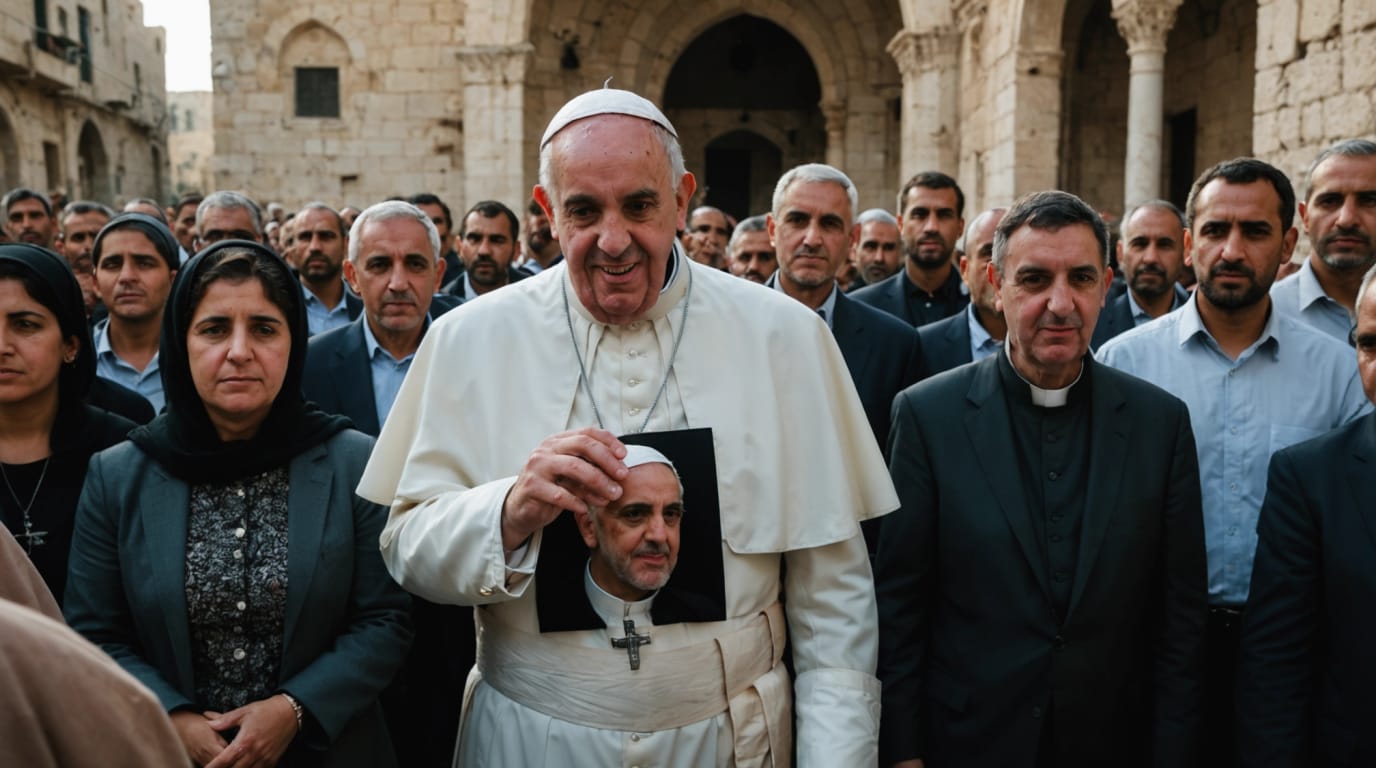
Gaza City, Palestine - The recent death of Pope Francis has resonated deeply within the small Christian community of Gaza, who remember him not only as the leader of the Catholic Church but also as a steadfast friend and a source of comfort during years of conflict and hardship. For a population that has often felt forgotten, the Pope's consistent support and advocacy provided a vital lifeline of hope.
A Community Under Pressure
The Christian community in Gaza represents a tiny minority within the densely populated strip. Once numbering over 3,000, their numbers have dwindled to approximately 1,100 due to emigration and the ongoing conflict. The majority are Greek Orthodox, with a smaller number of Roman Catholics and Baptists. Like their Muslim neighbors, they have endured immense challenges stemming from the Israeli blockade, political instability, and recurring escalations of violence.
The two main churches serving as the center of life for Christians in Gaza are the Holy Family Catholic Parish and Saint Porphyrius Church. These churches have provided not only spiritual guidance but also essential support, offering shelter, food, and medical assistance to those in need. However, even these sanctuaries have not been spared from the ravages of war. In October 2023, St. Porphyrius Church, one of the oldest churches in the world, was struck by an Israeli airstrike, resulting in the deaths of numerous civilians who had sought refuge within its walls.
A Voice from Afar
Despite the geographical distance and the complexities of the political landscape, Pope Francis made a point of maintaining close contact with the Christians of Gaza. He was known to have made regular phone calls to the Holy Family Church, offering words of encouragement, praying for peace, and inquiring about the well-being of the community.
Father Gabriel Romanelli, the parish priest of the Holy Family Church, recounted that Pope Francis called every day for over a year and a half to check in on the community, offering help and asking to protect the children. These calls, often placed from his hospital bed in his final weeks, were a source of immense comfort and strength for the beleaguered Christians of Gaza.
Kamal Anton, a 72-year-old Palestinian Christian who has been sheltering at the Holy Family Church since the start of the war, remembered the Pope's most recent call just days before his death. During that call, Pope Francis prayed for peace and resilience for the people of Gaza, reiterating his unwavering support for Christians and Muslims alike.
A Champion for Peace
Pope Francis consistently spoke out against the violence and injustice that have plagued the region for decades. He repeatedly called for a ceasefire in Gaza, the release of hostages, and unimpeded access to humanitarian aid. In his final Easter address, he condemned the "deplorable humanitarian situation" in Gaza and urged the warring parties to seek a peaceful resolution.
His advocacy extended beyond mere words. The Vatican provided material support to Gaza, sending aid that was shared with Muslim neighbors as well. Pope Francis also hosted meetings with Israeli and Palestinian leaders at the Vatican, demonstrating his belief that dialogue and prayer could pave the way for peace.
Palestinian President Mahmoud Abbas recognized Francis as "a faithful friend of the Palestinian people and their legitimate rights," recalling that the pontiff had recognized the State of Palestine and allowed its flag to be raised at the Vatican.
A Legacy of Hope
The death of Pope Francis has left a void in the hearts of Palestinian Christians in Gaza, who have lost a powerful advocate and a compassionate friend. However, his legacy of peace, interfaith dialogue, and unwavering support for the marginalized will continue to inspire them in the face of adversity.
As the Christian community in Gaza mourns his passing, they also express hope that his successor will carry on his commitment to justice and peace in the Holy Land. They remember his words of encouragement to hold on to their land and his promise to help rebuild their destroyed homes.
In a region marred by conflict and despair, Pope Francis offered a beacon of hope to the Christians of Gaza. His memory will serve as a reminder that they are not forgotten and that their struggle for peace and dignity is not in vain.


