Pope Leo XIV Demands Reparations, Transparency from Spanish Church on Abuse Crisis
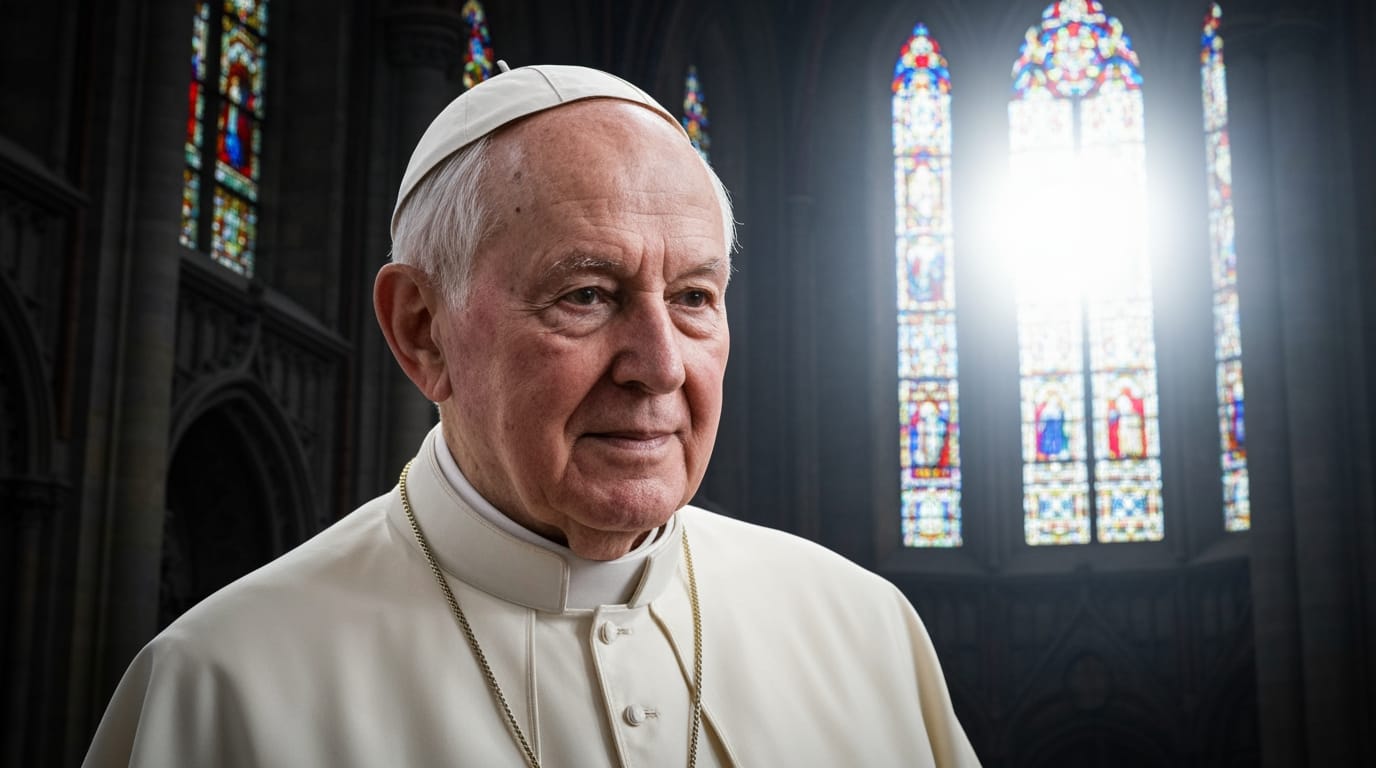
MADRID, Spain – Pope Leo XIV, on a landmark weeklong visit to Spain, delivered a forceful message to the nation's Catholic hierarchy Monday, urging a transparent reckoning with the devastating legacy of clergy sexual abuse and calling for comprehensive reparations for survivors. His pronouncements, made during a pivotal meeting with Spanish bishops, mark a significant moment in the ongoing global struggle for accountability within the Catholic Church, particularly as the Spanish government embarks on an unprecedented reparations system for victims of historical abuse.
Papal Mandate: Listening, Truth, and Healing
Addressing the Spanish Episcopal Conference in Madrid, Pope Leo XIV, the first U.S.-born pontiff, unequivocally condemned the sexual abuse perpetrated by clergy, describing it as a "scourge" that has profoundly wounded the faithful. He stressed that the "ecclesial community is called to respond with listening, truth, justice, reparation" and to foster "an ever more determined commitment to prevention and a culture of care." The Pope emphasized that "every wounded person must be able to find sincere listening, welcome, protection and real paths to healing," directly confronting decades where the Spanish hierarchy largely overlooked or dismissed the vast scale of abuse within its institutions.
The Pope's directive comes in the wake of a 2023 report by Spain's human rights ombudsman, which estimated that hundreds of thousands of individuals have been victims of clerical abuse over many decades. This staggering figure has intensified public outcry and placed immense pressure on the Church to address a crisis that, until recently, had remained largely unacknowledged at a systemic level in Spain. The local church's credibility has been severely shaken, prompting Leo XIV's direct intervention during his first visit to a European Union country outside Italy.
Spain's Unprecedented Reparations Initiative
Earlier this year, in a move reflective of growing public outrage and governmental determination, Spain launched a groundbreaking reparations system for clerical abuse cases that are too old to be prosecuted through conventional legal channels. This system is distinctive in its design, uniquely requiring the active participation of both the Catholic Church and the Spanish government. Moreover, it grants the government a significant role, including the final say in the allocation and amount of payouts, a feature that sets it apart from similar mechanisms established in other countries.
The reparations framework provides a one-year window for survivors to apply for compensation. While heralded by some as a vital step towards justice, the system has met with a mixed reception from advocacy groups and survivors. The non-legally binding nature of the system and concerns over its implementation have contributed to a degree of skepticism among those it aims to assist. Despite the varied reactions, it signifies a concrete, if contentious, effort by the Spanish state to address the long-standing grievances of abuse survivors.
Survivor Voices: Demands for Broader Representation
A planned meeting between Pope Leo XIV and a group of abuse survivors during his visit has become a focal point of both hope and contention. Ahead of the anticipated encounter, several groups representing victims expressed dismay and frustration over being excluded from the discussions, holding a small protest outside the Vatican's embassy in Madrid. Juan Cuatrecasas, a spokesperson for the Infancia Robada (Stolen Childhood) association, voiced a common sentiment among these groups, stating, "Our associations are pleased that a group of victims from the reparation plan can be heard by the pope, but they do not represent all the victims, and deep down they are being used by the church, by the bishops conference, to clean up the image of a Spanish church that has never been able to live up to its victims."
These sentiments underscore a broader demand from survivors for more inclusive representation and a transparent process that genuinely acknowledges the diversity of their experiences. Concerns have also been raised regarding the Pope's itinerary, particularly a scheduled visit to Montserrat Abbey. Activist Miguel Hurtado, who claims to have been abused at the abbey, expressed criticism that the Pope's schedule included lunch with Benedictine monks there but no direct meeting with survivors of abuse from that specific institution, which was also cited in the 2023 ombudsman report. The Vatican has maintained that details of any meetings with victims would only be disclosed after they occur, citing "respect for the victims" as the reason for the confidentiality.
The Enduring Debate Over Confessional Secrecy
Amid his calls for transparency and justice, Pope Leo XIV also reiterated the Catholic Church's unwavering stance on the sanctity of confessional secrecy. This reaffirmation comes at a time when efforts are mounting in Europe and elsewhere to compel Catholic priests to report abuse disclosed during the sacrament of confession. Independent investigations into clergy abuse globally have consistently identified the inviolability of the confessional seal as a significant obstacle to exposing and preventing further abuse. These inquiries have documented instances where abusers reportedly exploited the confessional to solicit sex from minors, then relied on the seal of confession to conceal their actions.
The Pope's statement on confessional secrecy highlights a deep-seated tension between canonical tradition and the urgent modern imperative for safeguarding children and ensuring legal accountability. Critics argue that upholding confessional secrecy can inadvertently create an environment where abuse can persist unreported, hindering both civil and ecclesiastical justice. This complex issue remains a flashpoint in the ongoing dialogue between secular authorities, survivor advocates, and the Church, posing a significant challenge to achieving full transparency and restorative justice.
A Challenging Path Forward
Pope Leo XIV's visit to Spain has brought the protracted crisis of clergy sexual abuse into sharp focus, offering a papal endorsement of the need for profound change. His strong words to the Spanish hierarchy emphasize a critical turning point, demanding that the Church move beyond past denials and embrace a future characterized by "listening, truth, justice reparation" and a robust "culture of care."
However, the path to healing and full reconciliation remains fraught with challenges. The nuances of Spain's new reparations system, the persistent calls from survivor groups for more inclusive engagement, and the Vatican's firm stance on confessional secrecy all underscore the complex landscape confronting the Catholic Church. As Pope Leo XIV continues his visit, his pronouncements serve as a powerful reminder of the deep wounds inflicted by abuse and the ongoing, intricate work required to mend them, fostering genuine healing and rebuilding trust within the global Catholic community.


