Portugal's Ambitious Leap: An Atlantic Nation Reaches for the Stars
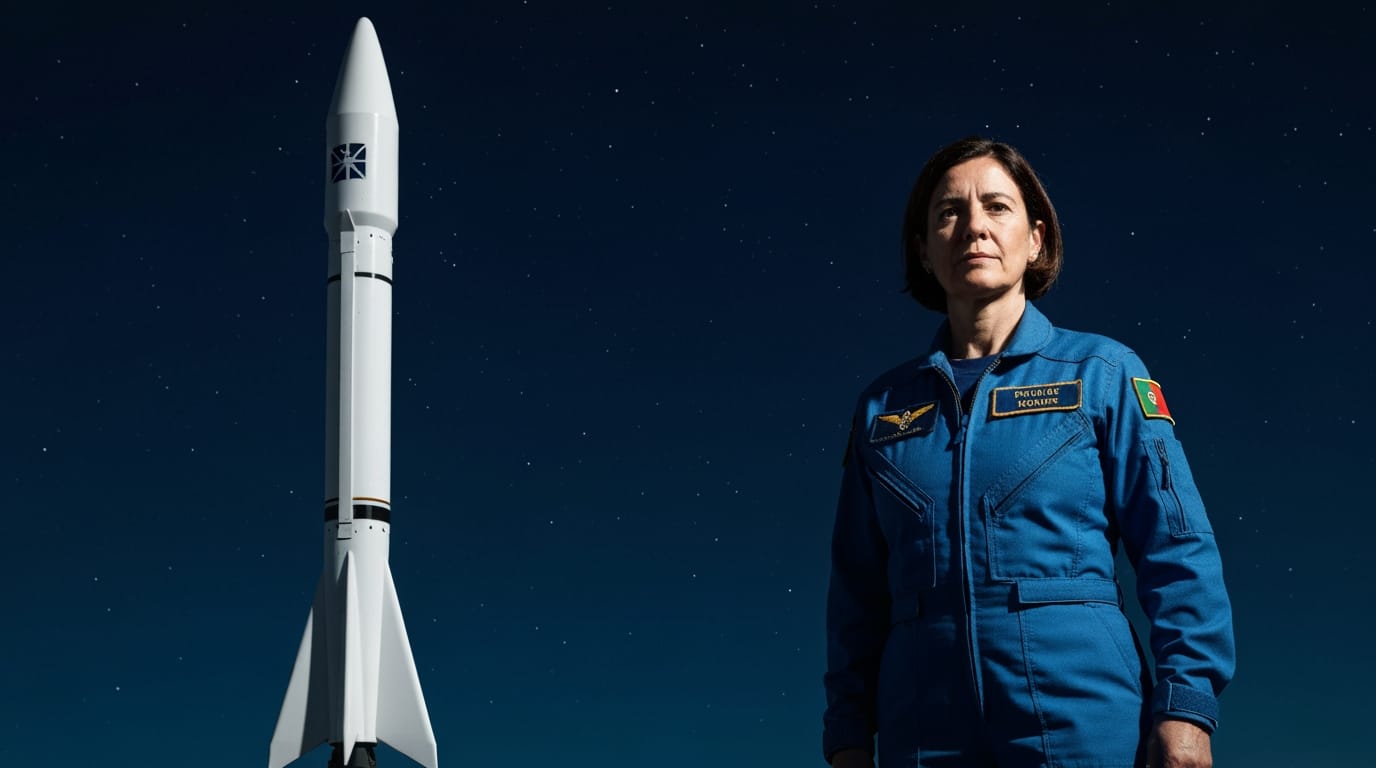
Lisbon, Portugal – A new chapter in space exploration is unfolding in an unexpected corner of Europe, as Portugal, a nation historically defined by its maritime prowess, rapidly positions itself as a significant player in the global space race. Driven by a comprehensive national strategy, the "Portugal Space 2030" initiative, the country is undertaking an ambitious transformation, aiming to cultivate a thriving space economy, generate high-skilled employment, and establish itself as a global authority in the intricate interactions between space, Earth, climate, and oceans. This strategic pivot leverages Portugal's unique Atlantic geography and a burgeoning ecosystem of innovation, signaling a bold reorientation towards the cosmos.
Forging a New Frontier: The Vision Behind Portugal Space 2030
Portugal's journey into the "New Space" era began to formalize with the approval of the "Portugal Space 2030" strategy in 2018, followed by the establishment of the Portuguese Space Agency (Portugal Space) in 2019. This governmental framework articulates a clear vision: to promote robust economic growth and create an estimated 1,000 skilled jobs within the space sector by 2030. The strategy targets an impressive €2.5 billion in investments by 2030, balanced equally between public and private funding, with an annual outcome from space-related activities projected to reach €500 million. This significant investment underscores a national commitment to diversifying the economy and fostering innovation, moving beyond traditional sectors. The country's deep historical connection to the Atlantic is a central theme, with the strategy envisioning Portugal as a world leader in understanding the complex interplay of space, Earth, climate, and oceans. Membership in the European Space Agency (ESA) since 2000 has provided a crucial foundation, allowing Portuguese scientists and engineers to contribute to international missions and projects, a commitment further solidified by an increase in national contributions to ESA from €19.4 million to €30 million. Furthermore, the enactment of the first legal regime for space activities, the Portuguese Space Law, in 2019, provides a clear regulatory environment designed to attract further investment and activity.
Building the Infrastructure for Orbital Ambitions
Central to Portugal's space strategy is the development of critical infrastructure, most notably the Atlantic International Satellite Launch Centre on the island of Santa Maria in the Azores. This remote Atlantic archipelago offers a strategically advantageous location, providing unobstructed launch trajectories over the sea for polar and sun-synchronous orbits, an asset few other European sites can replicate. In August 2025, the Atlantic Spaceport Consortium (ASC) secured the first five-year license to operate a launch center on Santa Maria, marking a concrete step towards operational capability. The ASC's initial focus will be on small and medium rockets with payload capacities below 1,500 kilograms, utilizing non-cryogenic fuels to manage costs effectively. The first suborbital launch from Santa Maria is anticipated in the first half of 2026, featuring Poland-based SpaceForest's Perun rocket, with orbital flights projected to commence by 2027. Beyond launches, Santa Maria is also designated as a future landing site for the European Space Agency's reusable Space Rider vehicle, with a demonstration mission expected no earlier than 2027. The island already boasts a 3,000-meter runway, weather stations, radar, and a teleport equipped with a 15-meter antenna operational since 2020, providing existing foundational infrastructure for these ambitious plans. Complementing the launch capabilities, Portugal is developing an "Atlantic Constellation" of small satellites dedicated to monitoring the Atlantic Ocean, addressing critical issues like climate change and the impact of human activities, and supporting a sustainable blue economy. This initiative, which includes the "Infante satellites," aims to be operational before 2025 through international cooperation. The "Digital Planet" project, a multi-platform for Earth observation data, is also underway to enhance the use of satellite data for various downstream applications, including land management, fire prevention, and monitoring of water, forestry, agriculture, and coastal areas. Additionally, efforts are being made to develop a 5G ecosystem across Portugal's Atlantic regions, further integrating space-based services into terrestrial networks.
A Burgeoning Ecosystem and Economic Impact
Portugal's strategic investments are already yielding results, fostering a dynamic space ecosystem. The number of space-related companies in Portugal has increased by 43% since 2019, now encompassing 48 companies and 25 research and development centers as of 2023. This growth reflects a vibrant private sector engaged in diverse areas, from satellite manufacturing to data analysis. Notable examples include Tekever, specializing in innovative aerospace solutions, and GEOSAT, the first Portuguese company to operate its own Earth observation satellites. Neuraspace is another key player, focusing on space traffic management. Attracting international investment, the Swiss company Beyond Gravity recently established an Innovation & Digital Hub in Lisbon, with plans to employ 200 professionals by 2025, positioning it as the largest space engineering company in the Portuguese capital. The space sector's expansion is expected to have far-reaching economic benefits, stimulating growth in diverse non-space sectors such as agriculture, fisheries, urban development, transportation, maritime activities, defense, and public health, all of which can leverage space-based solutions. Significant funding, including €200 million under the Portuguese Recovery Plan for 2021-2026, further supports this industrialization agenda.
Navigating Challenges and Seizing Opportunities
Despite the promising trajectory, Portugal's space ambitions face inherent challenges. Securing and diversifying funding remains a continuous effort, requiring a delicate balance between public, private, national, and European sources. Attracting further private investment is crucial for sustainable growth. The nascent industry also contends with the challenge of cultivating a sufficient pool of experienced system engineers and enhancing awareness among potential downstream users regarding the benefits of space-based data. However, these challenges are met with significant opportunities. The global "New Space" movement, characterized by lower costs and increased access to space, aligns perfectly with Portugal's strategy to democratize access and enable a new generation of services. Educational initiatives, such as the European Rocketry Challenge (EuRoC), are actively engaging younger generations and building a skilled workforce for the future. Portugal's robust and transparent legal framework for space activities, coupled with its strategic partnerships with organizations like ESA and the European Union, provides a stable and supportive environment for growth. The nation's unique Atlantic position not only facilitates launch capabilities but also reinforces its geopolitical relevance, strengthening European autonomy in space access and fostering diplomatic relations, particularly with Portuguese-speaking countries.
A Future Among the Stars
Portugal's deliberate and strategic push into the space sector represents more than just technological advancement; it signifies a national determination to diversify its economy, create future-proof jobs, and reclaim its historical role as a bridge between continents. By leveraging its geographical assets, investing in innovative projects, and fostering a collaborative ecosystem, Portugal is steadily transforming from a maritime nation into a recognized space-faring power. The coming years, with anticipated launches from Santa Maria and the deployment of new satellite constellations, will be critical in solidifying Portugal's position and demonstrating the long-term impact of its bold reach for the stars.


