Powerful 6.5 Magnitude Earthquake Strikes Mexico, Claims Two Lives
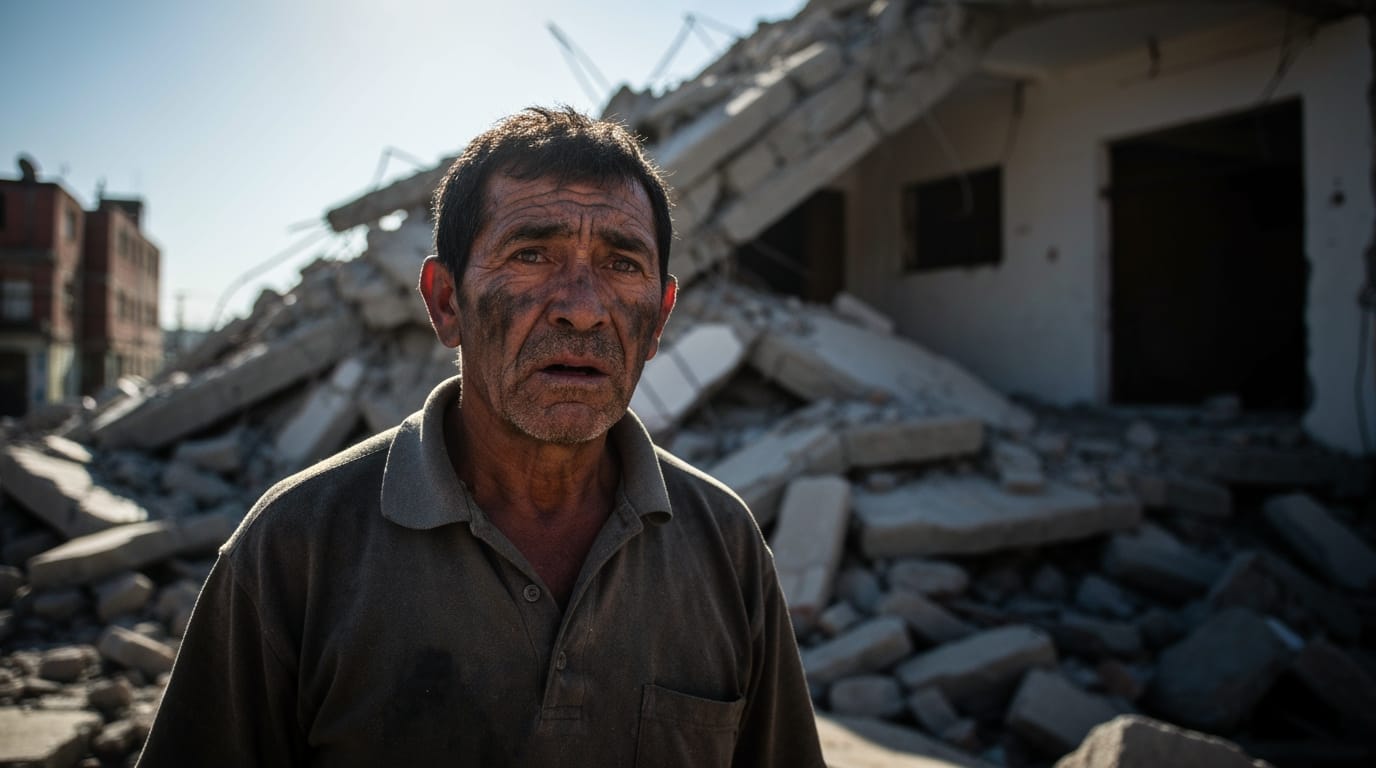
MEXICO CITY – A strong 6.5 magnitude earthquake rattled southern and central Mexico on Friday, January 2, 2026, leading to the deaths of at least two people and widespread alarm across multiple states. The tremor, with its epicenter near the Pacific coast resort of Acapulco in the state of Guerrero, sent residents into the streets and interrupted morning routines, including a presidential press briefing. While Mexico City largely escaped major structural damage, communities closer to the epicenter reported significant devastation to homes and infrastructure, underscoring the nation's constant vulnerability to seismic activity.
The earthquake struck shortly before 8:00 AM local time, originating near the town of San Marcos in Guerrero. The U.S. Geological Survey (USGS) reported its depth at 21.7 miles (35 kilometers), while other seismic agencies indicated a shallower depth of 10 kilometers. The powerful shaking was felt as far as 400 kilometers away in Mexico City, where seismic alarms blared, prompting immediate evacuations.
Immediate Toll and Widespread Disruption
The human cost of the earthquake became clear with the confirmation of two fatalities. In Mexico City, a 60-year-old man died after falling while evacuating his second-floor apartment. Local media reports suggested his age might have been 67. Meanwhile, in the hard-hit state of Guerrero, a woman in her 50s tragically lost her life when her home collapsed in a community near the epicenter. Beyond the fatalities, Mexico City Mayor Clara Brugada reported at least 12 people sustained injuries in the capital, though no major damage to buildings was immediately apparent.
The tremor caused considerable panic, with residents and tourists in affected areas, including the capital and Acapulco, rushing into the streets for safety. Videos circulated online showing landmarks, such as the Angel of Independence in Mexico City, swaying visibly during the shaking. The seismic event also briefly interrupted President Claudia Sheinbaum's first press conference of the year, forcing her and her team to evacuate the presidential palace.
Damage Assessment and Community Impact
While Mexico City experienced alarm but limited physical damage, the situation was more severe closer to the earthquake's origin. The town of San Marcos, near the epicenter, bore the brunt of the quake, with its mayor, Misael Lorenzo Castillo, reporting approximately 50 houses destroyed and nearly all structures exhibiting cracks. Residents of San Marcos described their town as "badly affected, devastated."
In the port city of Acapulco, slight damage to building facades, scattered power outages, and reports of gas leaks were noted. The state of Guerrero also saw various landslides along highways around Acapulco. A hospital in Chilpancingo, Guerrero's capital, suffered significant structural damage, necessitating the evacuation of its patients. These impacts add another layer of challenge for Acapulco, which is still grappling with recovery efforts following a devastating Category 5 hurricane in 2023. Following the initial jolt, Mexico's seismological service recorded over 500 aftershocks, with the strongest measuring magnitude 4.7, keeping communities on edge.
Emergency Response and Ongoing Vigilance
In the wake of the earthquake, Mexican authorities promptly activated emergency response protocols. Rescue teams and civil defense agencies began assessing the full extent of the damage and providing assistance to affected populations. The country's advanced earthquake early warning system, which utilizes seismic alarms broadcast through loudspeakers on lamp-posts and alerts via smartphone apps, proved crucial in providing vital seconds for people to seek safety before the shaking intensified. This system allowed many to evacuate buildings and gather in open spaces, mitigating potentially higher casualty numbers. Officials have urged residents and tourists to remain vigilant and informed about ongoing safety updates, particularly concerning aftershocks.
Mexico's Enduring Seismic Reality
Mexico is one of the world's most seismically active nations, a reality shaped by its location at the intersection of five major tectonic plates within the Pacific Ring of Fire. This geological configuration makes the country prone to frequent earthquakes. The recent 6.5 magnitude event serves as a stark reminder of this constant threat. Mexico has a history of devastating earthquakes, notably the 8.1 magnitude quake on September 19, 1985, which claimed nearly 13,000 lives in Mexico City, and another 7.1 magnitude tremor on September 19, 2017, which killed 369 people, predominantly in the capital. The recurring nature of these seismic events underscores the importance of the country's robust preparedness measures, including its early warning systems and regular earthquake drills, even as the challenge of rebuilding and recovery persists for affected communities.
The 6.5 magnitude earthquake has once again tested Mexico's resilience, causing loss of life and significant damage in some areas, particularly in Guerrero. While emergency services continue their assessment and recovery efforts, the event highlights the ongoing need for vigilance and preparedness in a country that lives under the perpetual shadow of seismic activity. The swift activation of early warning systems and coordinated emergency responses played a critical role in managing the immediate aftermath, yet the long-term challenges of rebuilding and supporting affected communities remain paramount.