Prominent DW Correspondent Detained in Turkey Amid Growing Press Freedom Concerns
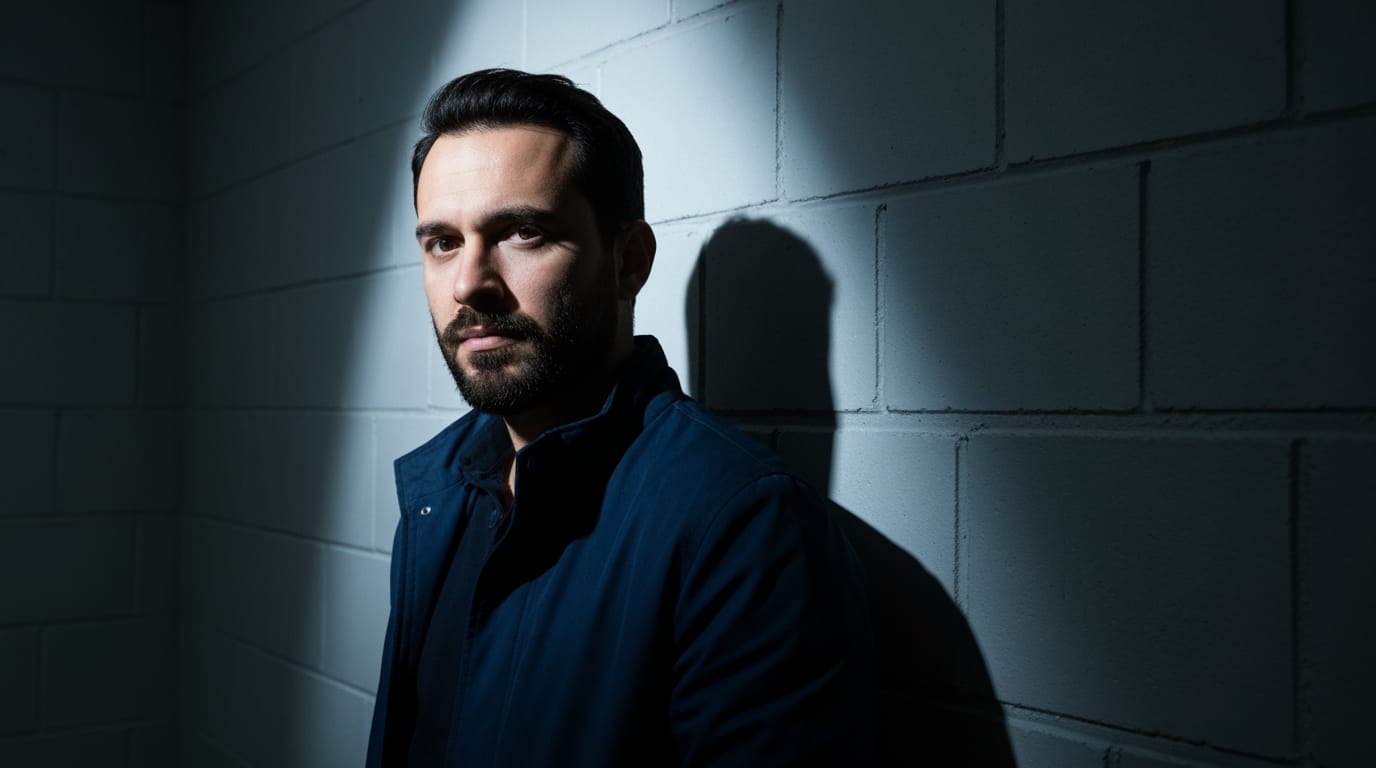
Ankara, Turkey – Turkish authorities have detained Alican Uludağ, a seasoned investigative journalist and correspondent for Germany's public broadcaster Deutsche Welle (DW), in Ankara. The arrest on Thursday, February 19, 2026, has ignited renewed alarms over press freedom in Turkey, drawing sharp condemnation from international media organizations and German officials. Uludağ faces charges of "spreading misleading information" and "insulting President" Recep Tayyip Erdoğan, accusations that DW has vehemently rejected as baseless.
The Arrest and Allegations
The apprehension of Alican Uludağ unfolded dramatically in Ankara on Thursday evening. Reports indicate that approximately 30 police officers were involved in his detention, which occurred in front of his family. Following his arrest, authorities conducted a search of his residence, confiscating computer equipment and other electronic devices. Uludağ was subsequently transferred to Istanbul for questioning, with an expected appearance before prosecutors on Friday. The Istanbul Chief Public Prosecutor's Office confirmed the launch of a criminal investigation against Uludağ, citing his social media posts as the basis for the probe.
The specific allegations against Uludağ center on charges of "disseminating misleading information" and "insulting the president," alongside broader accusations of "insulting the Turkish nation, state, and its institutions." These charges reportedly stem from an article Uludağ published on the DW website concerning the repatriation of Turkish citizens suspected of having fought for the Islamic State group. Additionally, a social media post from about 18 months prior is also under scrutiny, in which Uludağ reportedly criticized Turkish government measures that may have led to the release of suspected ISIS operatives and raised concerns about corruption.
International Outcry and Diplomatic Ramifications
Deutsche Welle responded swiftly and emphatically to Uludağ's arrest. Barbara Massing, DW Director General, characterized the accusations as "baseless" and demanded Uludağ's "immediate release." Massing described the arrest as "a deliberate act of intimidation," asserting that it illustrates the severe extent to which the Turkish government is suppressing press freedom. The director general further highlighted the disturbing nature of a journalist being treated "like a common criminal," underscoring the perceived heavy-handedness of the state's actions.
International press freedom advocates have echoed DW's concerns. Reporters Without Borders (RSF) has condemned the detention, viewing it as part of ongoing judicial harassment targeting legitimate journalists in Turkey. The advocacy group has consistently ranked Turkey among the most repressive countries for journalists, noting the prevalence of government control over media organizations and the frequent legal pressure faced by reporters for their investigative work and commentary. Such incidents inevitably strain diplomatic relations between Germany and Turkey, given the long-standing concerns in Berlin regarding human rights and freedom of expression in Ankara.
A Pattern of Pressure on Journalists
The arrest of Alican Uludağ is not an isolated incident but rather the latest in a series of actions that have systematically curtailed press freedom in Turkey over recent years. The Turkish government has increasingly utilized laws pertaining to "insulting the president" and "disseminating misleading information" to target journalists and critics, particularly following a failed coup attempt in 2016. This crackdown has seen numerous journalists, both domestic and foreign, facing legal challenges, detention, and even imprisonment. According to the Turkish Journalists Syndicate, at least 14 journalists or media sector workers are currently incarcerated in Turkey.
A notable precedent involving a German journalist is the 2017 arrest of Deniz Yücel, a Turkish-German correspondent for the German newspaper Die Welt. Yücel was detained for approximately a year without indictment on charges of propaganda and incitement to hatred, stemming from his reporting on hacked emails of President Erdoğan's son-in-law and an interview with a Kurdistan Workers' Party (PKK) founder. His case became a significant point of contention between Germany and Turkey, with German Chancellor Angela Merkel describing the arrest as "bitter and disappointing." While Yücel was eventually released, he still faced trial, illustrating the protracted legal battles journalists can endure. The similarities in charges and the high-profile nature of Uludağ's affiliation with DW underscore a persistent challenge for independent reporting within Turkey.
Erosion of Democratic Norms
The continuing pressure on journalists, exemplified by Uludağ's arrest, reflects a broader erosion of democratic norms in Turkey. Critics argue that the government employs such tactics to stifle dissent and control the narrative, particularly concerning sensitive topics like alleged corruption or national security. The targeting of journalists for their social media activity or investigative reporting creates a chilling effect, leading to self-censorship and a decline in independent media coverage.
International observers, including human rights organizations and foreign governments, frequently highlight Turkey's trajectory away from established democratic principles, especially concerning freedom of speech and the press. The ability of journalists to report freely and hold power accountable is considered a cornerstone of any democratic society. The repeated instances of detentions and legal proceedings against reporters suggest a deliberate strategy to limit critical voices and consolidate governmental control over information. This trend not only impacts the journalists themselves but also deprives the Turkish public of diverse perspectives and informed discourse, fundamental elements for a healthy democracy.
Conclusion
The recent arrest of DW correspondent Alican Uludağ marks another significant moment in Turkey's ongoing struggle with press freedom. The circumstances of his detention, coupled with the serious charges leveled against him, send a clear message to journalists operating within the country. While Turkish authorities maintain such actions are necessary to uphold national laws and combat disinformation, international bodies and media watchdogs view them as calculated attempts to silence critical reporting and intimidate the press.
As the international community watches closely, Uludağ's case is poised to become another flashpoint in the broader debate over human rights and freedom of expression in Turkey. It underscores the profound risks faced by journalists striving to deliver independent news and analysis in an increasingly restrictive environment and highlights the persistent tension between state power and the fundamental right to inform the public.


