Protests Over Gaza War Lead to Attacks on KFC Restaurants in Pakistan, Over 170 Arrested
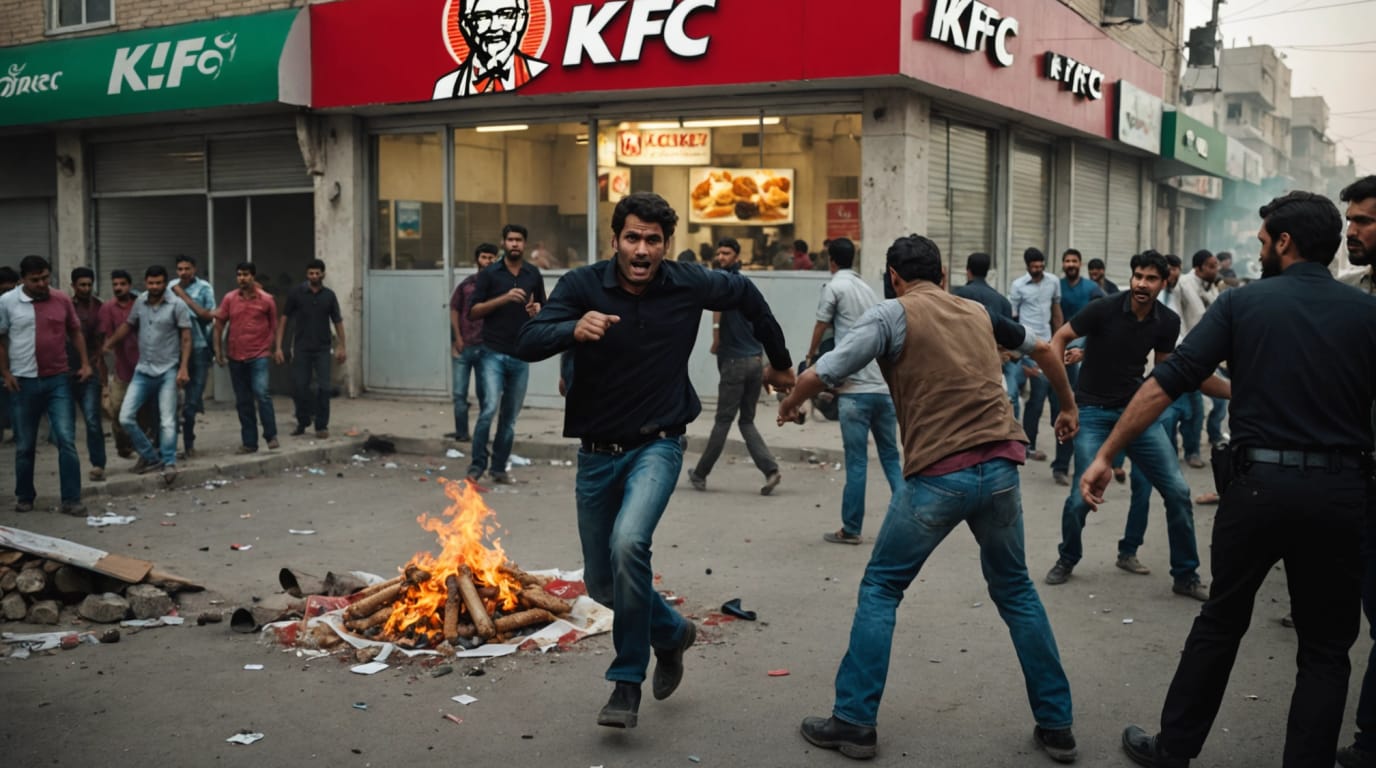
Tensions surrounding the ongoing war in Gaza have spilled over into Pakistan, resulting in a series of violent protests targeting KFC restaurants and the arrest of over 170 people. Demonstrators, angered by perceived U.S. support for Israel, have vandalized and, in some cases, set fire to the American fast-food chain, viewing it as a symbol of Western influence.
The unrest reflects growing public outrage in Pakistan and other Muslim-majority countries over Israel's military actions in Gaza. Calls for boycotts of Western brands, particularly those seen as having ties to the U.S. or Israel, have intensified in recent months.
Attacks and Arrests
Police in major Pakistani cities, including Karachi, Lahore, and Islamabad, have confirmed at least 11 incidents involving attacks on KFC outlets. Protesters, often armed with sticks, have vandalized properties, leading to a crackdown by law enforcement. As of this week, at least 178 individuals have been arrested in connection with the incidents. In Lahore, authorities have increased security around the city's 27 KFC locations after two attacks occurred and five others were prevented.
Faisal Kamran, a senior Lahore police officer, stated that authorities are investigating the involvement of various individuals and groups in the attacks. Eleven people, including a member of the Islamist religious party Tehreek-e-Labbaik Pakistan (TLP), have been arrested in Lahore. However, Kamran noted that the protests were not officially organized by TLP.
Fatal Shooting
Amid the unrest, a KFC employee was fatally shot on April 14 in Sheikhupura, near Lahore. According to Sheikhupura Regional Police Officer Athar Ismail, 45-year-old Asif Nawaz was working in the restaurant's kitchen when he was struck by a bullet fired from a distance. Police are investigating whether the killing was politically motivated or stemmed from another cause. The incident has added a tragic dimension to the protests, highlighting the potential for violence and loss of life.
TLP's Stance
The Tehreek-e-Labbaik Pakistan (TLP), a religious political party known for its advocacy against Israel and the U.S., has denied orchestrating the attacks on KFC locations. TLP spokesman Rehan Mohsin Khan stated that while the group has urged Muslims to boycott Israeli products, it has not called for protests outside KFC. Khan added that any TLP member or activist involved in such activities acted on their own accord, and their actions do not reflect the party's official policy.
KFC's Response
KFC and its parent company, Yum Brands, both based in the U.S., have not yet issued any public statements regarding the protests and attacks in Pakistan. The silence from the company comes as the brand faces increasing scrutiny and becomes a target for those expressing anger over the Gaza conflict. Yum Brands has acknowledged that another of its brands, Pizza Hut, has experienced a negative impact from boycotts related to the war.
Broader Context
The attacks on KFC restaurants in Pakistan are part of a broader trend of protests and boycotts targeting Western brands in Muslim-majority countries. These actions are fueled by anger over the Israeli military offensive in Gaza, which, according to local health authorities, has resulted in the deaths of more than 51,000 Palestinians since October 7, 2023.
KFC has long been viewed as a symbol of the United States in Pakistan and has been the target of anti-American sentiment in the past. The current wave of protests underscores the deep-seated anger and frustration felt by some segments of the Pakistani population regarding U.S. foreign policy and its support for Israel.
Implications
The protests and attacks on KFC restaurants in Pakistan have several significant implications:
- Escalation of Tensions: The violence highlights the potential for the Gaza conflict to exacerbate existing tensions and instability in other countries.
- Economic Impact: The boycotts and attacks could have a negative impact on Western businesses operating in Pakistan and other Muslim-majority countries.
- Political Ramifications: The protests could put pressure on the Pakistani government to take a stronger stance against Israel and the U.S.
- Security Concerns: The incidents raise concerns about the safety and security of Western citizens and businesses in Pakistan.
Conclusion
The attacks on KFC restaurants in Pakistan serve as a stark reminder of the far-reaching consequences of the Gaza conflict. As long as the conflict continues, it is likely that tensions will remain high and that Western brands will continue to be targets of protests and boycotts. The situation underscores the need for a peaceful resolution to the conflict and for greater understanding and dialogue between different cultures and religions.


