Putin Marks 25 Years at Russia's Helm, Cementing Power Through Tumultuous Times
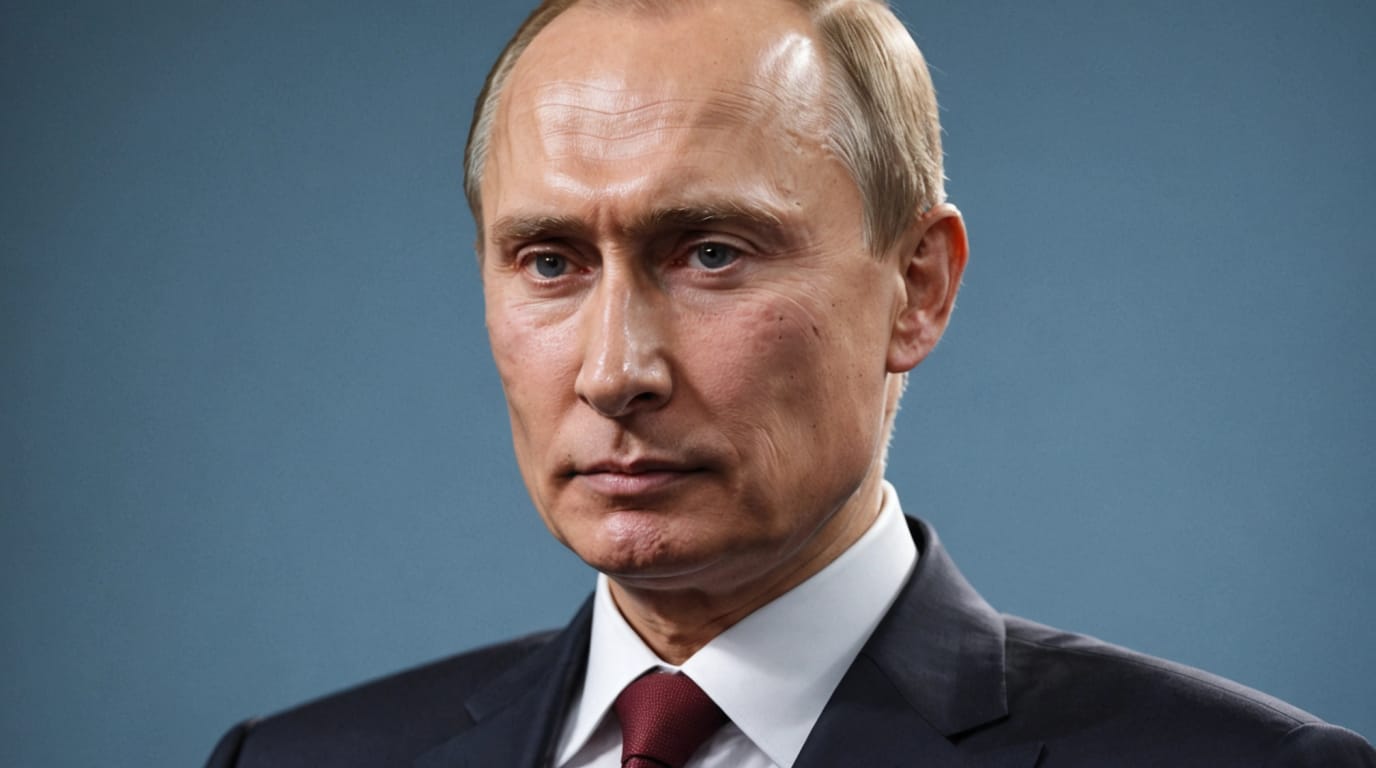
On December 31, 1999, Boris Yeltsin's unexpected resignation thrust a relatively unknown Vladimir Putin into the role of acting president, marking the beginning of a quarter-century of leadership that has profoundly shaped Russia and its role in the world. From consolidating power in the early 2000s to navigating economic crises and military conflicts, Putin's tenure has been defined by a drive to restore Russia's international stature and centralize authority domestically. As he enters his fifth term, it's crucial to examine the key events and policies that have defined his rule and their lasting impact on Russia and the global order.
From Obscurity to Power: The Rise of Putin
Putin's ascent was swift and surprising. Prior to his appointment as Prime Minister in August 1999, he was largely unknown to the Russian public. Yeltsin's declining health and the influence of a group of oligarchs known as "The Family" played a significant role in Putin's selection as his successor. These oligarchs, who had benefited immensely from the privatization of state assets in the 1990s, saw Putin as someone who could protect their interests.
As acting president, Putin quickly moved to consolidate his power. He launched a military campaign against Chechen separatists, which boosted his popularity among Russians who longed for stability and order after the turbulent 1990s. In March 2000, he won the presidential election with 53% of the vote, defeating Communist leader Gennady Zyuganov.
Consolidating Control: Dismantling the Oligarchs and Centralizing Power
Once in office, Putin embarked on a systematic effort to dismantle the power of the oligarchs. He severed their ties to influential positions and made it clear that their wealth and influence were contingent on their loyalty to the Kremlin. Those who challenged him, like Mikhail Khodorkovsky, faced severe consequences, while those who aligned with his interests were allowed to maintain their wealth.
Putin also moved to centralize power within the federal government. He reduced the power of regional governors, bringing them under greater control from Moscow. This "vertical of power," as it became known, aimed to reassert the authority of the central government over the regions and state institutions.
Economic Boom and Rising Living Standards
Putin's first decade in power coincided with a period of rising energy prices, which brought substantial revenue into the state coffers. This allowed the government to invest in infrastructure, raise pensions, and improve living standards for many Russians. The growth of a middle class, with decent wages and improved access to consumer goods, further solidified Putin's popularity.
However, this economic prosperity was heavily reliant on oil and gas revenues, making Russia vulnerable to fluctuations in global energy markets. Critics also pointed out that the benefits of this growth were not evenly distributed, with wealth concentrated in the hands of a select few.
Crushing Dissent and Restricting Freedoms
As Putin's rule continued, his government increasingly cracked down on dissent and restricted freedoms. Independent media outlets were silenced or brought under state control, and opposition figures faced harassment and intimidation. Restrictive laws were enacted that severely impacted civil society, making it more difficult for non-governmental organizations to operate.
The suppression of dissent intensified following the outbreak of war in Ukraine in 2022. The government has used the war as a pretext for further tightening its grip on power, jailing critics and shutting down independent media outlets.
The War in Ukraine: A Defining Moment
The full-scale invasion of Ukraine in February 2022 marked a turning point in Putin's rule and in Russia's relationship with the world. The war has led to immense death and destruction, displaced millions of Ukrainians, and triggered unprecedented sanctions against Russia.
The war has also intensified Putin's crackdown on dissent and independent media, and has served as a pretext for jingoistic indoctrination in schools and cultural institutions. The conflict has exposed the weaknesses of the Russian military and economy, and has led to a growing sense of isolation for Russia on the international stage.
A Legacy of Power and Uncertainty
As Vladimir Putin marks 25 years in power, his legacy is complex and contested. He is credited with restoring stability and national pride to Russia after the chaos of the 1990s, and with raising living standards for many Russians. However, he is also criticized for suppressing dissent, restricting freedoms, and plunging Russia into a costly and destructive war in Ukraine.
With constitutional changes allowing him to potentially stay in power until 2036, the future of Russia under Putin remains uncertain. The war in Ukraine will continue to shape Russia's trajectory, and the long-term consequences of the conflict for both Russia and the global order are yet to be seen.


