Rafah Crossing Partially Reopens, Offering Glimmer of Hope for Besieged Gaza
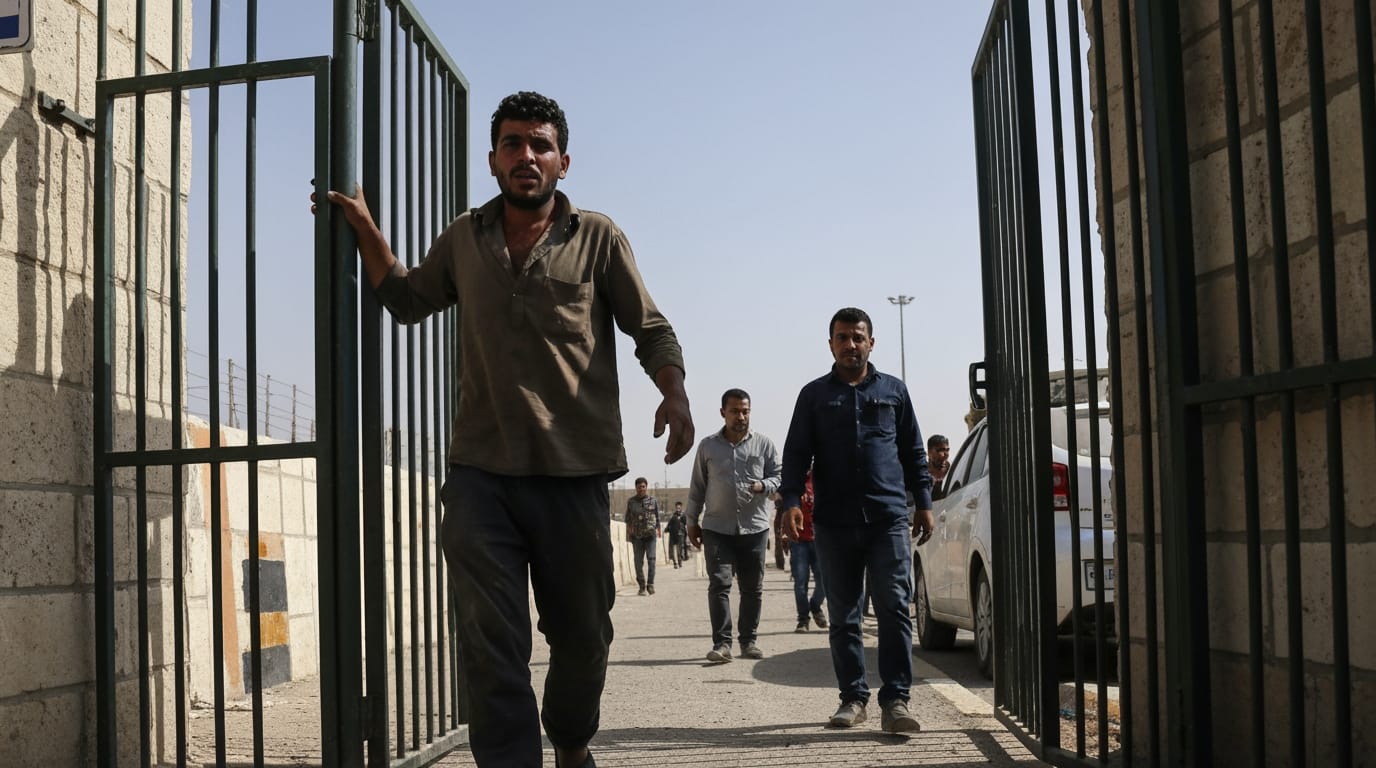
Rafah, Gaza Strip – After months of near-total closure that exacerbated a severe humanitarian crisis, the Rafah border crossing between the Gaza Strip and Egypt has partially reopened, allowing for the restricted movement of people. The move, effective Monday, February 2, 2026, marks a critical development following a recent ceasefire agreement, yet concerns persist regarding the limited scope and the immense backlog of Palestinians seeking passage. The partial reopening is seen as a fragile step towards alleviating the dire conditions in Gaza, but it underscores the complex and often politically charged nature of access to the besieged enclave.
A Cautious Resumption of Movement
The Rafah crossing commenced a trial run on Sunday, February 1, with the official movement of residents expected to begin the following day. This limited reopening, however, is exclusively for the passage of people on foot and does not include humanitarian goods or other supplies, which typically pass through different entry points. Israel’s Coordinator of Government Activities in the Territories (COGAT), the military agency overseeing civilian affairs in Gaza, stated that the crossing has been opened on a trial basis for "restricted movement of Gaza residents."
A new screening facility has been constructed by the Israeli army to process Palestinians entering and exiting Gaza via Rafah. All individuals seeking to cross require prior Egyptian approval, with their names subsequently submitted to Israel’s Shin Bet domestic security service for clearance. Israeli officers will remotely supervise exits, employing facial recognition software to verify identities, while entry into Gaza will necessitate an additional screening at an Israel Defense Forces (IDF) checkpoint. These stringent measures highlight the ongoing security concerns of both Israel and Egypt.
Lifeline Interrupted: The Months of Closure
The Rafah crossing holds immense significance for Gaza's 2.3 million residents, serving as their sole gateway to the outside world not controlled by Israel. Its prolonged closure has had devastating consequences, deepening the already severe humanitarian crisis within the territory. Israeli forces seized control of the crossing in May 2024, maintaining its closure for several months amid an extended military campaign in Gaza.
Before the conflict, Rafah was the primary point of entry and exit for most Palestinians in Gaza. The extended shutdown has severely impacted access to essential medical care, leading to a profound health crisis. The Gaza Media Office reported that the blockade on humanitarian aid, including medical supplies, through Rafah resulted in the deaths of over 1,000 children, patients, and injured individuals due to a lack of necessary treatment. An estimated 25,000 patients and injured people were prevented from seeking medical care abroad, further exacerbating the humanitarian catastrophe.
A Ceasefire's Fragile Promise and International Efforts
The partial reopening of the Rafah crossing is a direct outcome of the Israel-Hamas ceasefire agreement that took effect on October 10, 2025. Its inclusion as a key step in the U.S.-brokered peace plan underscores the international community's recognition of the crossing's critical role. The recovery of the remains of the last hostage in Gaza shortly before the announcement also reportedly cleared the way for the forward movement on the crossing's reopening.
The reopening is a coordinated effort involving Israel, Egypt, and the European Union, with European Union Border Assistance Mission (EUBAM) members and Palestinian security officers present at the crossing. A newly established 15-member Palestinian technocratic body, the National Committee for the Administration of Gaza (NCAG), is also expected to oversee daily governance within the territory, a development linked to the broader ceasefire terms. However, the ceasefire itself has been repeatedly challenged by outbreaks of violence, with Israeli attacks and Palestinian militant actions causing further casualties since October.
The Human Cost and Lingering Limitations
Despite the partial reopening, the numbers allowed through are severely restricted, presenting a significant challenge for the thousands desperately awaiting passage. Approximately 20,000 Palestinians needing critical medical care are hoping to leave Gaza through Rafah. Additionally, around 80,000 Palestinians who fled Gaza during the conflict are seeking to return.
Initial reports indicate that the crossing will operate for approximately six hours daily, with capacity limits of around 50 medical patients (each accompanied by up to two relatives) and about 50 individuals seeking to return to Gaza. An Israeli defense official suggested the crossing could handle between 150 and 200 people in both directions daily. These figures represent a small fraction of those requiring immediate passage, leading to concerns among aid groups and residents that the process will be slow and insufficient to meet the overwhelming needs.
Aid organizations have consistently lobbied for the reopening, emphasizing the urgent need for expanded access. The United Nations humanitarian affairs office has stressed that while Rafah is crucial for the movement of people and potentially cargo, it alone cannot address the scale of humanitarian needs in Gaza, advocating for the full and sustained opening of multiple crossings. Complicating aid efforts further, Israel has suspended the operations of Doctors Without Borders and other humanitarian organizations that have not complied with new registration requirements, citing concerns about the regulations potentially endangering Palestinian staff.
A Glimmer of Hope Amidst Persistent Challenges
The partial reopening of the Rafah border crossing represents a tangible, albeit limited, step toward alleviating the human suffering in the Gaza Strip. For thousands of Palestinians, particularly those in urgent need of medical treatment and those separated from their homes, it offers a long-awaited glimmer of hope.
However, the severe restrictions on movement, the ongoing security vetting processes, and the exclusion of goods underscore the fragility of this development. The humanitarian needs within Gaza remain immense, and the limited capacity of the crossing means that many will continue to endure prolonged hardship. While a positive sign of progress stemming from the ceasefire agreement, the partial reopening of Rafah is just one component in a much larger and more complex effort required to facilitate recovery and ensure a more stable future for the Gaza Strip.