Rafah Crossing Poised for Limited Reopening, Offering Glimmer of Hope Amidst Gaza Crisis
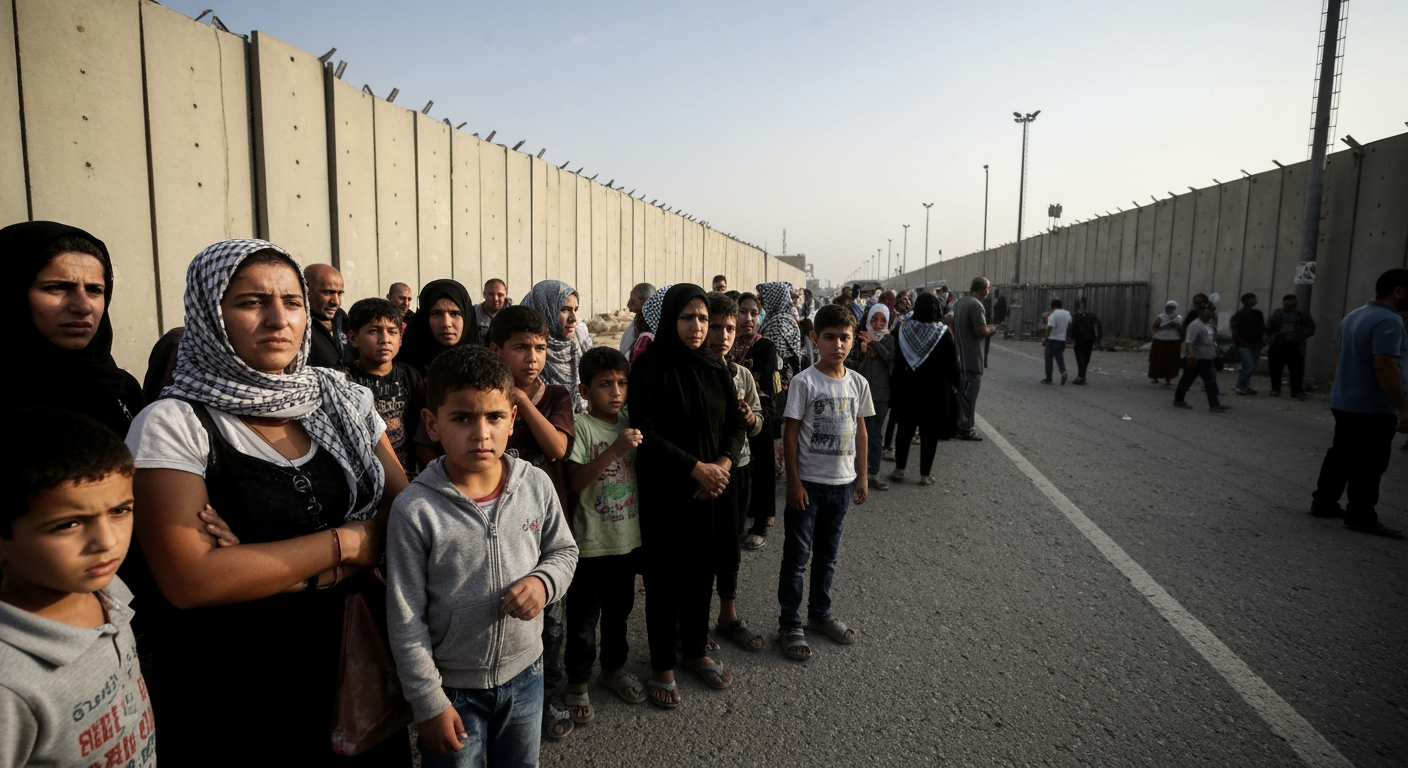
Rafah, Gaza Strip – The long-shuttered Rafah border crossing, Gaza's sole gateway to Egypt, is on the cusp of a limited reopening, a development keenly watched by a besieged Palestinian population desperate for movement and humanitarian aid. The anticipated resumption of pedestrian traffic follows intense international pressure and Israel's recent recovery of the remains of Master Sgt. Ran Gvili, the last Israeli hostage in Gaza. While offering a potential lifeline, the terms of the reopening, including strict Israeli oversight and an initial focus on outward movement, signal a complex path forward for the devastated enclave.
A Critical Lifeline Under Strict Conditions
The Rafah crossing, which has been largely closed since Israeli forces seized the Palestinian side in May 2024, is now expected to facilitate "pedestrian passage only" under a comprehensive Israeli inspection mechanism. This move is understood to be a pivotal component of the second phase of a United States-brokered ceasefire agreement that was initiated in October. Israeli Prime Minister Benjamin Netanyahu's office confirmed the decision, stating it was contingent on the return of Gvili's remains and a "100% effort" from Hamas to locate and return all deceased hostages, a condition now reportedly fulfilled. While Netanyahu indicated the crossing would be open "in both directions" for people, he clarified that it would not be opened for goods, estimating that approximately 50 people plus family members would be permitted to cross daily. This limited scope has raised concerns among some, who fear the restrictive conditions could serve as an instrument of "slow displacement" for Palestinians.
The Humanitarian Imperative and Diplomatic Efforts
For the more than two million residents of Gaza, the reopening of Rafah represents a critical opportunity for medical evacuations, educational pursuits, and family reunification, all severely curtailed during the extended closure. Before May 2024, Rafah served as Gaza's primary conduit for humanitarian aid and evacuations. Its prolonged closure, the longest in nearly two decades, exacerbated an already dire humanitarian crisis within the strip. International organizations, including UNICEF, have a backlog of supplies staged in Egypt, ready for immediate transport into Gaza once full access is granted.
The decision to reopen follows sustained pressure from the United States, with envoys Steve Witkoff and Jared Kushner reportedly engaging with Israeli officials on the matter. An informed Egyptian official confirmed the US's significant influence in securing an agreement for Rafah's operation. This diplomatic push underscores the international community's recognition of Rafah's importance in addressing Gaza's urgent needs.
Operational Complexities and Divergent Views
Despite the agreement, significant operational details surrounding the crossing's management remain unresolved. Israel insists on maintaining overall security control and a thorough inspection mechanism. Egypt, which controls the other side of the crossing, has consistently advocated for bidirectional access, allowing both entry into and exit from Gaza for Palestinians, and has rejected proposals that could lead to forced displacement.
Discussions are ongoing regarding who will operate the Gaza side of the crossing. One proposed scenario involves the European Union acting as an intermediary between Egypt and Israel, potentially with EU observers from the EUBAM mission working alongside Palestinian staff not affiliated with the Palestinian Authority. Ali Shaath, head of the US-backed National Committee for the Administration of Gaza (NCAG), a transitional Palestinian committee, has also indicated the crossing would open this week. This committee is slated to lead future negotiations with Hamas regarding disarmament, a key objective for Israel.
The Road Ahead: Hope and Lingering Challenges
The partial reopening of the Rafah crossing marks a notable development in the aftermath of the recent conflict, offering a cautious ray of hope for Gaza's embattled population. It comes almost two years after Israeli forces occupied the Palestinian side of the crossing in May 2024, and after the crossing was briefly opened in early 2025 for medical evacuations. However, the complexities of its operation, including the insistence on Israeli inspection and restrictions on goods, highlight the persistent challenges in facilitating genuine freedom of movement and comprehensive humanitarian access.
While the immediate focus is on facilitating pedestrian movement, the damaged infrastructure on the Gaza side of the crossing and the ongoing debate over who will ultimately control it underscore the fragility of the situation. The United Nations and various aid organizations continue to advocate for sustained and unhindered humanitarian access, emphasizing that the limited opening, while welcome, must evolve into a more comprehensive solution to address the profound humanitarian needs within the Gaza Strip. The coming weeks will reveal how effectively this critical artery can alleviate the suffering of a population that has endured prolonged isolation and devastation.
Related Articles


Mounting Frustration Grips Russia as Economic Hardship and War's Toll Deepen
Moscow, Russia – A palpable shift in public sentiment is emerging across Russia, with growing frustration among citizens fueled by a confluence of economic pressures, increasing internet restrictions, and the undeniable...


Germany's Strategic Calculus: Ukraine Aid is an Investment in European Security, Not Charity
Berlin – The ongoing provision of substantial aid to Ukraine by Germany and its allies is increasingly being framed not as an act of altruism, but as a crucial investment in European security and stability. This...