Rakhine State Plunges Deeper into Crisis Amid Escalating Conflict and Looming Famine
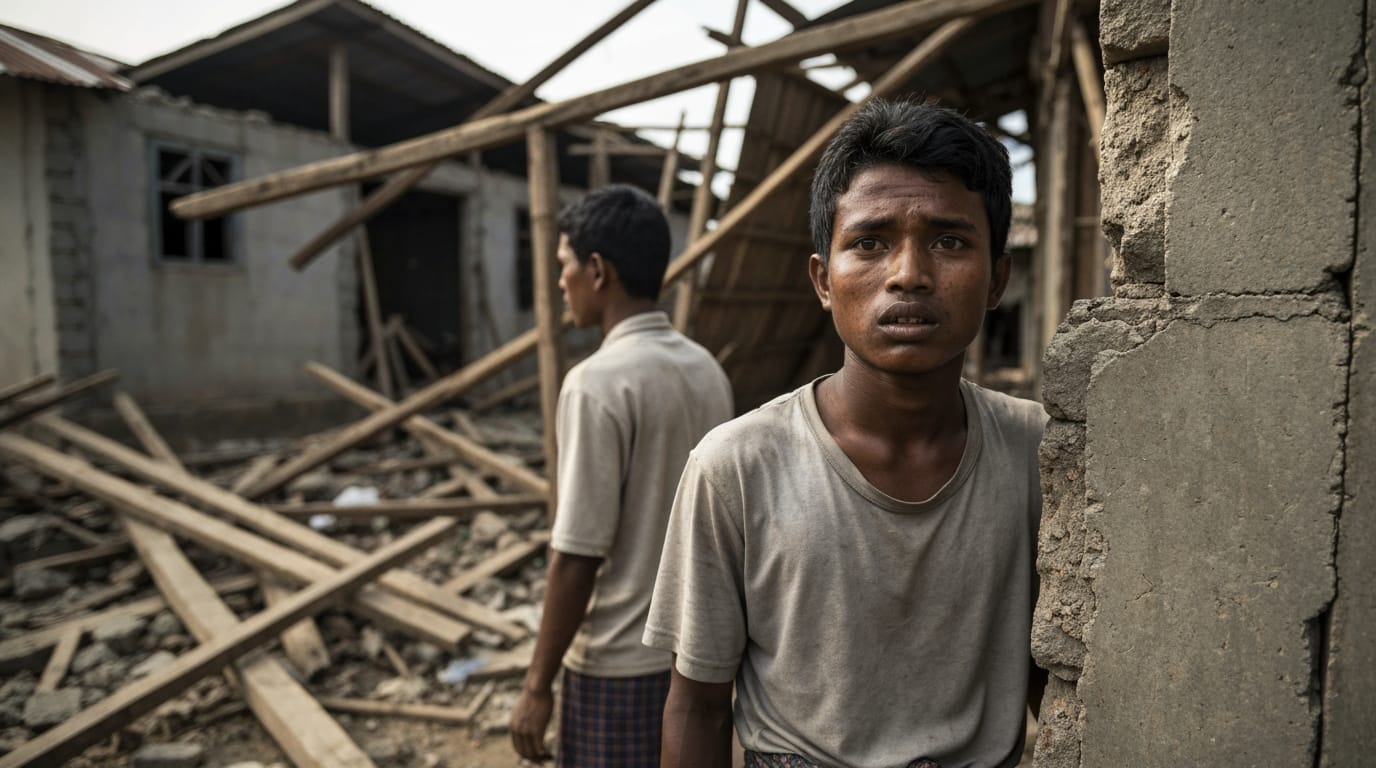
Rakhine State in western Myanmar is experiencing a rapidly deteriorating humanitarian catastrophe, fueled by an intensified conflict between the Myanmar military junta and the Arakan Army (AA). Millions face the imminent threat of famine and widespread displacement, as fighting isolates communities, obstructs aid, and inflicts severe hardship on an already vulnerable population. The region, long scarred by historical ethnic tensions, now stands at a critical juncture, with the civilian population, particularly the Rohingya, caught in a brutal struggle that threatens to destabilize Myanmar further and has regional implications.
Intensifying Conflict Drives Humanitarian Catastrophe
Since November 2023, the Arakan Army has launched a significant offensive, shattering a year-long informal ceasefire with the Myanmar military junta. This renewed campaign has seen the AA make substantial territorial gains, now controlling approximately 13 out of Rakhine State's 17 townships, including the entire border region with Bangladesh and Paletwa Township in neighboring Chin State. The fighting has escalated dramatically, with reports indicating that the AA is advancing on key remaining junta strongholds, including the state capital Sittwe, and has overrun major military bases. The military's response has included intense aerial and artillery strikes, with civilians frequently caught in the crossfire. One such attack in Mrauk-U destroyed a hospital, reportedly killing dozens, including patients and medical staff, and injuring many more.
The direct consequence of this escalating violence is a profound humanitarian crisis. Up to two million people in Rakhine State are confronting the dire prospect of famine, exacerbated by a collapsing economy and severe restrictions on the movement of goods. Critical sectors like trade, agriculture, and construction are nearing a standstill, leading to widespread loss of livelihoods and soaring prices for essential commodities. Humanitarian organizations have reported a near-total absence of aid in many areas, with movement restrictions, insecurity, and military blockades preventing the delivery of life-saving assistance. Organizations like Doctors Without Borders have been forced to suspend or significantly reduce critical services, leading to preventable deaths, particularly among pregnant mothers and infants.
Mass Displacement and Vulnerability of Civilians
The conflict has triggered massive displacement across Rakhine State. Since November 2023, an estimated 327,000 people have been newly displaced in Rakhine and Paletwa Township, bringing the total current internal displacement in Rakhine State to well over half a million individuals. Tens of thousands of Rohingya civilians, in particular, have been forced from their homes, some seeking refuge across the border in Bangladesh. Reports from the UN Human Rights Office highlight disturbing accounts of killings of Rohingya civilians, burning of their properties, and abuses by both sides of the conflict. Survivors have described encountering abuses and extortion while attempting to flee, highlighting the extreme perils faced by those seeking safety.
The Rohingya, a Muslim minority group, remain especially vulnerable. They have long faced systemic persecution, denied citizenship, and subjected to severe movement restrictions. The current conflict has seen Rohingya civilians reportedly recruited by force into both the Myanmar military and the Arakan Army, further endangering their communities and inflaming inter-communal tensions. These forced recruitments, coupled with existing discrimination, mean Rohingya often find themselves distrusted and caught between warring factions. Camps for internally displaced persons (IDPs) are severely underserved, with reports of deaths from dysentery and lack of medical care due to aid blockades. The lack of access to essential health services and adequate nutrition disproportionately impacts children, who bear the heaviest burden of the conflict.
Historical Roots and Enduring Tensions
The current crisis is deeply rooted in Rakhine State's complex history of ethnic and political grievances. The region has endured decades of violence, underdevelopment, and natural disasters. The Rohingya have faced systematic discrimination and violence, including a brutal military crackdown in 2017 that led to the exodus of hundreds of thousands to Bangladesh, a crisis that the UN termed a "textbook example of ethnic cleansing." This historical context of marginalization and violence against the Rohingya has contributed to a volatile environment.
The 2021 military coup in Myanmar, which overthrew the democratically elected government, further destabilized the country and intensified existing conflicts, including in Rakhine State. While the Arakan Army, predominantly composed of ethnic Rakhine Buddhists, has fought the Myanmar military for greater autonomy, the relationship with the Rohingya community remains contentious. Despite the AA's recent gains against the junta, allegations of human rights violations against Rohingya civilians by AA soldiers have surfaced, and the AA's stance on Rohingya identity continues to be a point of concern for many.
A Call for Unhindered Access and Protection
The international community, including the United Nations, has repeatedly voiced alarm over the escalating violence and dire humanitarian situation in Rakhine. Calls for an immediate end to the violence, protection of all civilians without distinction, and prompt and unhindered humanitarian relief have been made. Measures ordered by the International Court of Justice for the protection of Rohingya must be fully complied with. However, despite these appeals, humanitarian access remains severely constrained, with aid agencies struggling to reach those in critical need.
The fragmentation of control within Myanmar and the ongoing civil war underscore the complexity of the crisis. With the Arakan Army solidifying its control over large swathes of Rakhine, the long-term implications for the region, its diverse ethnic groups, and the future of Myanmar itself remain uncertain. The conflict continues to highlight the urgent need for international attention and concerted efforts to ensure protection for civilians and unimpeded access for humanitarian assistance, to avert an even greater catastrophe.


