Record-Shattering Bluefin Tuna Fetches Over $3 Million at Tokyo's New Year Auction
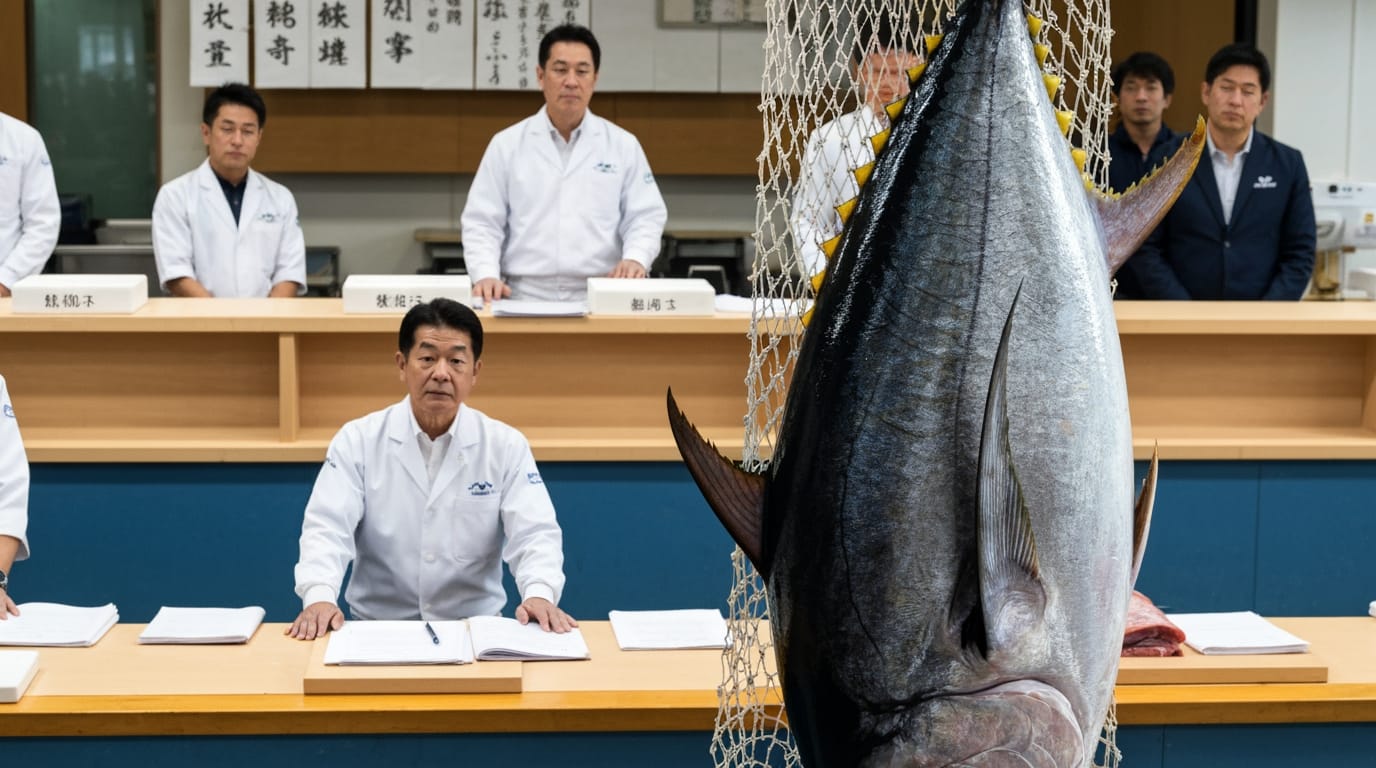
TOKYO – A colossal bluefin tuna commanded an astonishing 510.3 million yen, approximately $3.2 million USD, at the annual New Year's auction held early Monday at Tokyo's Toyosu Fish Market. The record-setting purchase by Kiyomura Corp., operator of the popular Sushi Zanmai restaurant chain, underscored the intense blend of tradition, commerce, and prestige that characterizes this iconic Japanese event. The massive 243-kilogram (535-pound) fish, caught off the shores of Oma in northern Japan, known for its pristine waters and high-quality tuna, immediately became a symbol of good fortune and a marketing coup for the winning bidder, whose owner, Kiyoshi Kimura, famously reclaimed his "Tuna King" title.
The Dawn of a New Record at Toyosu
The pre-dawn auction at the sprawling Toyosu Market, which replaced the historic Tsukiji market in 2018, commenced with its characteristic brisk pace and sharp calls from bidders. The atmosphere was charged as wholesalers, armed with flashlights, meticulously inspected rows of torpedo-shaped tuna, examining the flesh for color, texture, and fat content by observing cuts near the tails. This year's prized bluefin, weighing in at 243 kilograms, surpassed the previous record of 333.6 million yen (approximately $2.1 million to $3.1 million, depending on the exchange rate at the time) for a 278-kilogram bluefin set in 2019, a record also held by Kiyoshi Kimura. The per-kilogram price for this year's tuna translated to an astounding 2.1 million yen, or about $13,360 USD, solidifying Oma tuna's reputation as a premium catch. The event, a spectacle of tradition and high stakes, drew significant media attention and a crowd of foreign tourists, eager to witness the unique cultural phenomenon.
The "Tuna King's" Calculated Bid for Prestige
Kiyoshi Kimura, the charismatic president of Kiyomura Corp., has become synonymous with the New Year's tuna auction, earning the moniker "Tuna King" for his frequent top bids. His strategy extends beyond simply acquiring the finest fish; it is a calculated marketing maneuver. Despite the exorbitant price paid, Kimura expressed slight surprise at how high the bidding climbed, stating he had hoped for a "little cheaper" acquisition. Nevertheless, his motivation remains clear: to secure the most auspicious tuna of the year, bringing good luck and publicity to his Sushi Zanmai chain. True to form, the record-breaking fish was promptly transported to Sushi Zanmai's main restaurant in Tsukiji, where it will be expertly cut and served to customers at standard menu prices. This practice allows everyday diners to partake in the year's most celebrated catch, turning a headline-grabbing expenditure into an accessible luxury, thereby generating immense goodwill and brand loyalty. For Kimura, who had seen other bidders claim the top prize in recent years, this year's victory was a matter of reclaiming his prestigious position and reigniting excitement for his brand.
A Deep-Rooted Tradition and Economic Barometer
The New Year's tuna auction is more than just a commercial transaction; it is a deeply ingrained cultural tradition in Japan, symbolizing renewal, prosperity, and good fortune for the year ahead. The Toyosu Market, with its state-of-the-art facilities, continues this legacy, offering a modern stage for a time-honored ritual. Historically, the first tuna of the year has been seen as a harbinger of economic trends, with a high winning bid often interpreted as a positive sign for the Japanese economy and stock market. This perception, coupled with the fierce competition among bidders, transforms the auction into a vivid reflection of national sentiment and business confidence. The market itself, the largest fish market in the world, processes hundreds of tuna daily, but the prices achieved during the celebratory New Year's auction are significantly inflated, driven by the unique blend of tradition, marketing, and the desire for prestige.
Balancing Voracious Demand with Conservation Efforts
The extraordinary prices fetched at these auctions highlight the insatiable global demand for bluefin tuna, especially for high-end sushi and sashimi. Its rich, fatty flesh, particularly the toro (belly) cuts, is considered a delicacy and commands premium prices. However, this immense popularity has historically placed significant pressure on bluefin tuna populations, leading to concerns about overfishing and their classification as a threatened species.
Encouragingly, recent reports indicate that stocks of Pacific bluefin tuna are showing signs of recovery, a testament to international conservation efforts and management plans implemented since 2017. Experts from organizations like the Pew Charitable Trusts have acknowledged that these recovery plans are working, emphasizing the need for continued action and long-term sustainable management strategies to ensure a healthy population. While the sustainability of bluefin tuna remains a complex issue, involving rigorous monitoring, reduced bycatch, and controlled farming practices, the improving stock levels offer a glimmer of hope for both the species and the industry it sustains. The auction therefore serves as a dual reminder: a celebration of culinary excellence and a poignant call for responsible stewardship of marine resources.
The New Year's bluefin tuna auction in Tokyo continues to be a captivating event, blending deep-seated cultural reverence with intense commercial competition. This year's record-breaking sale not only sets a new benchmark for the prized fish but also reinforces its role as a powerful symbol of economic optimism and culinary artistry in Japan. As the world savors the delicacy, it also brings into focus the ongoing dialogue between fervent demand and the critical imperative of marine conservation, seeking a sustainable future for these magnificent ocean giants.


