Regional Conflicts Reshape Iran-Gulf Dynamics, Forging a New Middle East Order
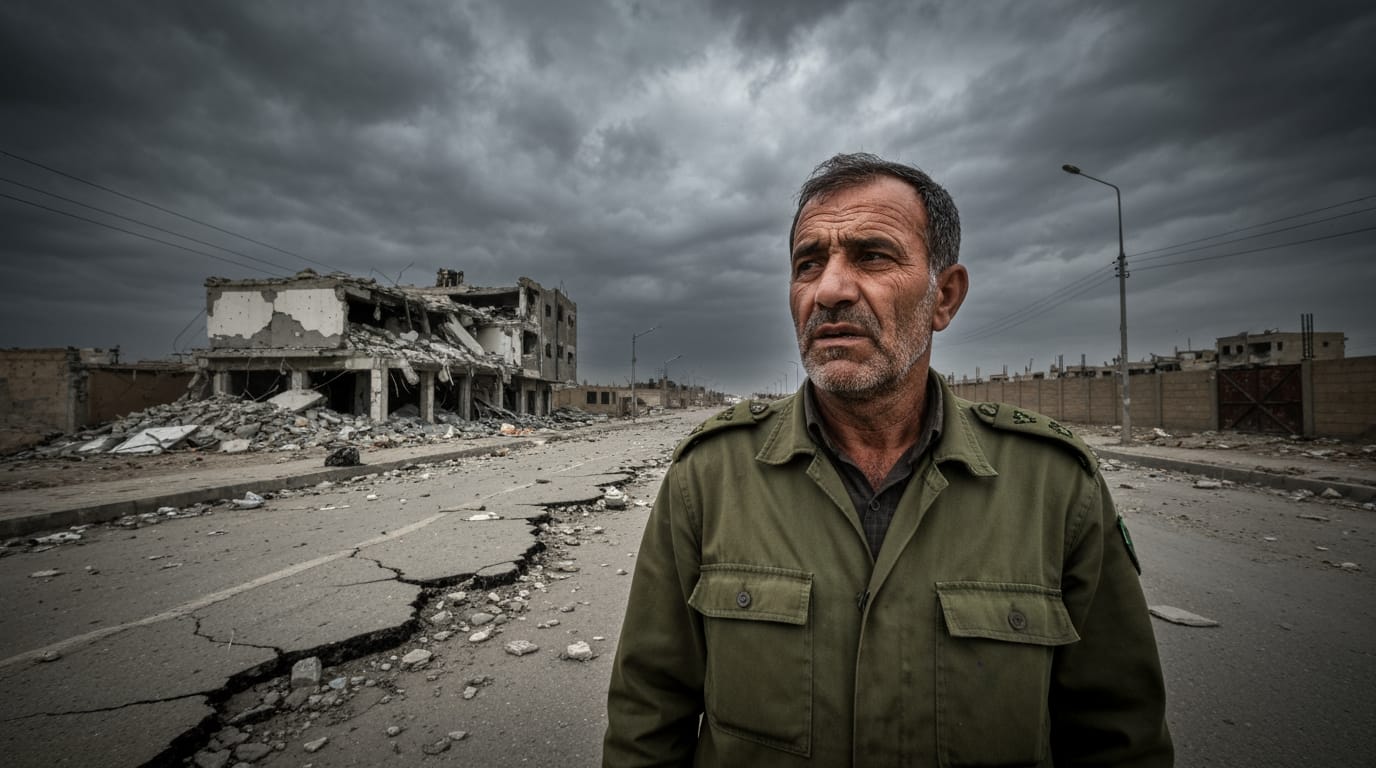
The Middle East is grappling with a profoundly reshaped geopolitical landscape as months of escalating conflict, culminating in a direct US-Israeli war with Iran in early 2026, have fundamentally altered the relationship between Iran and its Gulf Arab neighbors. The period of tentative de-escalation that characterized the immediate pre-war era has given way to a complex and precarious new reality, marked by heightened security concerns, a re-evaluation of long-standing alliances, and a pragmatic, albeit distrustful, re-engagement between regional rivals. The widespread missile and drone strikes that accompanied the recent conflict have underscored the vulnerability of Gulf states and exposed the limits of traditional security guarantees, pushing the region towards diversified security strategies and a challenging path of coexistence.
The Precarious Peace Before the Storm
Prior to the current wave of regional instability, a concerted, if fragile, effort was underway to foster de-escalation between Iran and several Gulf Cooperation Council (GCC) states. Notably, 2023 saw a significant breakthrough with the China-brokered normalization of diplomatic relations between Saudi Arabia and Iran, signaling a potential shift away from years of animosity. The United Arab Emirates (UAE) had also restored diplomatic ties with Tehran in 2022, demonstrating a broader regional inclination towards balancing deterrence with engagement. These diplomatic overtures aimed to mitigate regional proxy conflicts and stabilize a volatile neighborhood.
However, this nascent period of rapprochement was severely tested and ultimately fractured by the eruption of the Gaza conflict in October 2023. The war in Gaza rapidly metastasized, triggering a cascade of regional spillover effects, including Houthi attacks on shipping in the Red Sea and heightened tensions across Iraq, Syria, and Lebanon. The situation escalated dramatically with the onset of a direct US-Israeli military campaign against Iran in February 2026, which observers termed the "Iran war." This conflict became the ultimate catalyst, igniting widespread missile and drone attacks across the Gulf, irrevocably changing regional security dynamics.
Gulf States in the Crosshairs: A New Era of Vulnerability
The most immediate and devastating consequence of the recent hostilities has been the direct targeting of Gulf Arab states. Iranian missile and drone strikes reached across the region, with the UAE reportedly experiencing the highest number of attacks among the GCC countries. Critical infrastructure, including energy facilities, ports, and civilian areas, as well as military installations hosting American forces, became direct targets. Qatar, a key global energy supplier, saw nearly a fifth of its liquefied natural gas export capacity temporarily disrupted by Iranian strikes. Oman also suffered attacks, with an Iranian drone strike hitting the Port of Salalah's oil storage tanks in March 2026.
These attacks profoundly shook the Gulf states, shattering any lingering illusions of immunity or protection. The presence of sophisticated US military infrastructure, including Patriot and THAAD missile defense systems, proved insufficient to completely shield host countries from the consequences of the conflict. This perceived exposure led to a significant erosion of trust between Gulf Arab neighbors and Iran, with Tehran now widely regarded as a direct and systemic threat, rather than merely a revisionist competitor. The long-held Gulf strategy of neutrality in regional conflicts also proved inadequate, as Iranian actions demonstrated that proximity to US assets and economic centrality made them inherent targets.
A critical element of this new reality is the weaponization of the Strait of Hormuz. During the recent conflict, Iran effectively disrupted shipping through the vital chokepoint, leading to the stranding of millions of barrels of oil and liquefied natural gas exports. This disruption highlighted the acute vulnerability of Gulf economies, which are heavily reliant on the waterway for global energy exports. While a subsequent US-Iran memorandum of understanding has led to the lifting of a US blockade on Iranian ports and the reopening of the Strait, the episode underscored Iran's capacity to inflict severe economic damage.
Diplomatic Reshuffling and Strategic Realignment
In the wake of the conflict, Gulf states have embarked on a serious recalibration of their foreign policy and security strategies. A primary consequence is a reduced reliance on the United States as the sole security guarantor. The war exposed the limits of Washington's ability to protect its partners and led to perceptions of the US as an unpredictable and at times unreliable ally. Consequently, Gulf governments are actively diversifying their defense ties and seeking additional security arrangements to hedge against future shocks and enhance national self-reliance.
Despite the profound distrust and anger generated by the attacks, a paradoxical trend of pragmatic engagement with Iran has emerged. Senior officials from the UAE and Iran held face-to-face meetings shortly after the conflict, a significant shift in Abu Dhabi's approach driven by economic concerns and a recognition of Iran's enduring regional presence. Saudi Arabia, while condemning Iranian attacks, has nominally maintained diplomatic relations, albeit with continued suspicion. This emerging dynamic reflects a regional acceptance that, regardless of intentions, Iran remains a formidable and undefeated force that must be accommodated in some capacity.
However, the recent war has also exacerbated internal divisions within the GCC. While some states were more heavily impacted than others, the conflict underscored the challenge of presenting a unified front during major crises. The differing strategic imperatives and historical rivalries among Gulf states mean that while cooperation may occur in some areas, a fully coherent alliance against a common threat remains elusive. Furthermore, the ongoing Palestinian issue remains a central and complex requirement for Saudi Arabia's potential normalization with Israel, a dynamic further complicated by the recent regional conflagrations.
A New Regional Baseline and Enduring Implications
The "Iran war" has definitively established a new regional baseline where Iran is no longer viewed as a manageable competitor but rather as a persistent threat requiring containment. This strategic incompatibility between the current Iranian regime and the long-term security aspirations of the Gulf states is a fundamental shift.
Economically, Gulf states are accelerating efforts to diversify their export routes, investing heavily in new pipeline networks to reduce their reliance on the vulnerable Strait of Hormuz. This push for energy security and resilience of critical infrastructure is expected to trigger one of the largest shifts in Gulf energy strategy since the 1970s. States with existing bypass infrastructure, like Saudi Arabia and the UAE, are poised to gain strategic influence, while others, such as Qatar and Kuwait, may be compelled into new economic arrangements.
The conflict is also accelerating a broader process of regional realignment. While fully coherent alliances may not yet be forming, there are emerging signs of increased coordination among groups of states, such as Saudi Arabia, Turkey, Egypt, and Pakistan, seeking to pool resources and influence in a rapidly evolving environment. This stands in contrast to existing or developing ties between Israel, the UAE, India, Greece, Cyprus, and Ethiopia, indicating a more multi-polar and complex security architecture taking shape in the wider Middle East.
In conclusion, the past months of war have undeniably ushered in a new era for Iran-Gulf relations. The old paradigms of security, heavily reliant on external guarantees, have been challenged and found wanting. Gulf states are navigating a landscape of heightened threat perception, necessitating a delicate balance between enhancing their own defensive capabilities, diversifying international partnerships, and engaging pragmatically, if cautiously, with Iran. The region cannot, and will not, return to its pre-war configuration; instead, it faces a future defined by a complex interplay of enduring rivalries, strategic recalibration, and the imperative of managing persistent instability.


