Renewed Israeli Strikes in Syria Stoke Fear of Escalation
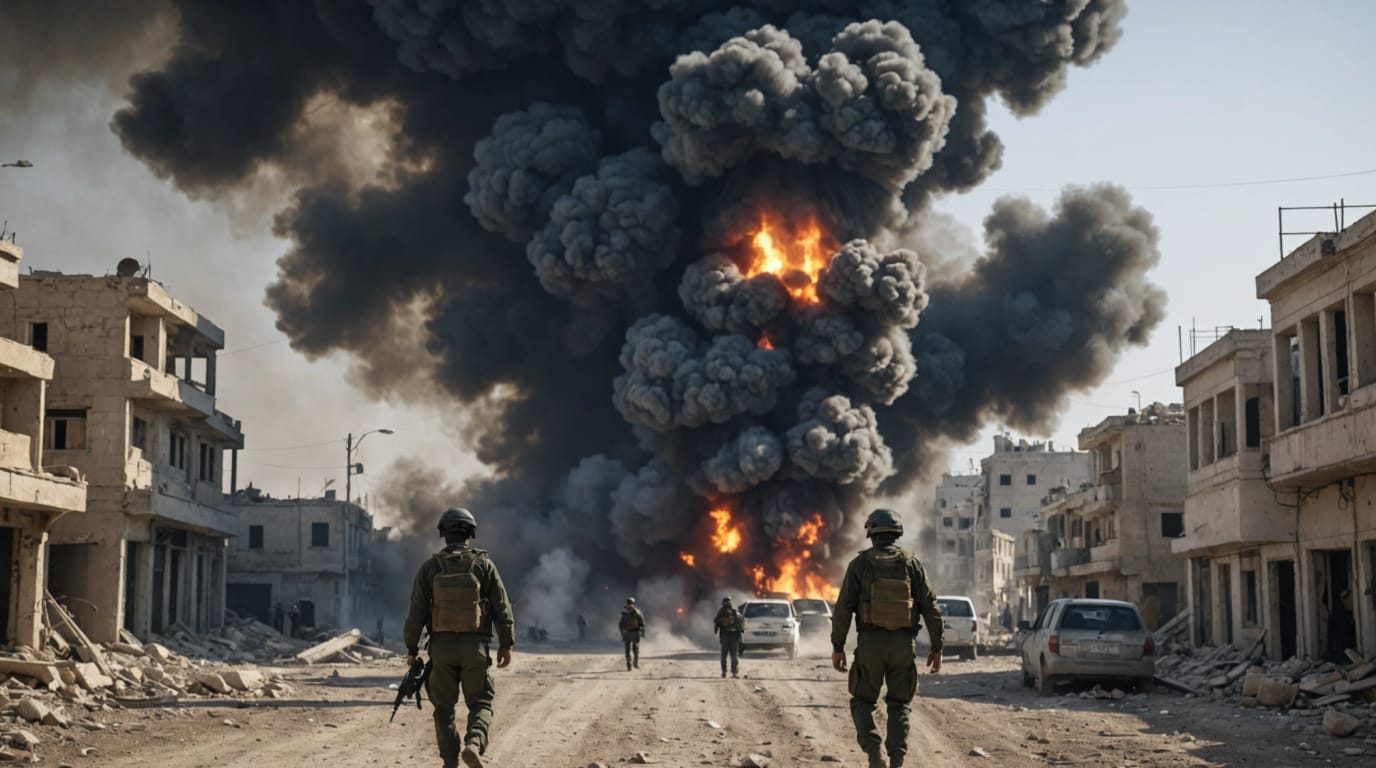
Tensions are escalating along the Israeli-Syrian border following renewed Israeli military actions within Syrian territory. Recent strikes have resulted in casualties and prompted strong condemnation from Syria and international bodies, raising concerns about a wider conflict.
Casualties and Condemnation
On Tuesday, at least six Syrians were killed in an Israeli raid in the village of Kuya, located east of Daraa in southern Syria, according to the Syrian Foreign Ministry. Reports indicate that a woman was among the victims, and several others were injured. The ministry anticipates the death toll may rise due to the severity of injuries and attacks on agricultural areas. Syria views the strikes as a "flagrant violation of its sovereignty" and has called for an international investigation into the matter. Hamas has also condemned the attacks.
The Israeli Defense Forces (IDF) confirmed the attack, stating that its troops returned fire after being attacked by armed fighters in southern Syria. The IDF further stated that the Air Force struck the combatants, but did not provide details on casualties.
Israeli Rationale and Actions
Israel has been conducting military operations inside Syria, including air strikes and ground incursions, since the ousting of Syrian President Bashar al-Assad in December 2024. Israeli officials have stated that these actions are necessary to guarantee security and thwart threats, particularly in the absence of a stable Syrian government. Israeli troops have been stationed in a previously UN-controlled buffer zone along the border.
In addition to the recent strikes near Daraa, the IDF reported striking "residual military capabilities" at the Palmyra and T-4 airbases in Syria. Prime Minister Benjamin Netanyahu has stated his intention to demilitarize southern Syria and eliminate any potential threats to Israeli territory.
International Response and Concerns
The renewed Israeli strikes have drawn criticism from international figures. Kaja Kallas, the European Union's foreign policy chief, warned that the strikes "risk further escalation." During a visit to Israel, Kallas stated that the EU believes the strikes are "unnecessary, because Syria is right now not attacking Israel," and that they could fuel further radicalization.
Jordan's foreign ministry also condemned the incursion and bombardment as "a dangerous escalation" that risks fueling "further conflict and tension in the region."
Syrian Perspective
Syria's interim president, Ahmad al-Sharaa, has stated that he does not intend to open a front against Israel. However, the Syrian Foreign Ministry has condemned the continued Israeli aggression as a "blatant violation of its sovereignty" and has called on the Syrian people to "remain faithful to their land and to reject any attempt to displace them or impose a new reality by force."
Regional Instability
The Israeli strikes and the resulting tensions are occurring against a backdrop of broader regional instability. The ceasefire in Gaza and Lebanon has recently broken. Some residents in villages bordering the Syrian Golan Heights fear an advance by Israeli forces and the occupation of their villages.
Long-Term Implications
Andreas Krieg, a senior lecturer at the School of Security Studies at King's College London, has stated that Israel's use of military force inside Syria against targets that do not directly pose a threat to Israel infringes international law. Krieg suggests that Israel's confrontational approach, rather than engaging with Syria's new leadership, may not lead to long-term security.
Conclusion
The recent escalation of Israeli military actions in Syria has heightened fears of a wider conflict. While Israel maintains that its actions are necessary for its security, the strikes have drawn condemnation from Syria and international bodies, who view them as a violation of Syrian sovereignty and a threat to regional stability. The situation remains volatile, with the potential for further escalation depending on the actions of both sides and the response of the international community.


