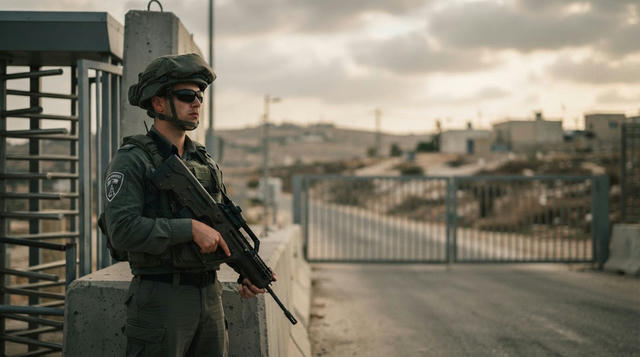
Rights Groups Allege Widespread Abuse, "Torture Camps" in Israeli Detention Facilities for Palestinian Prisoners
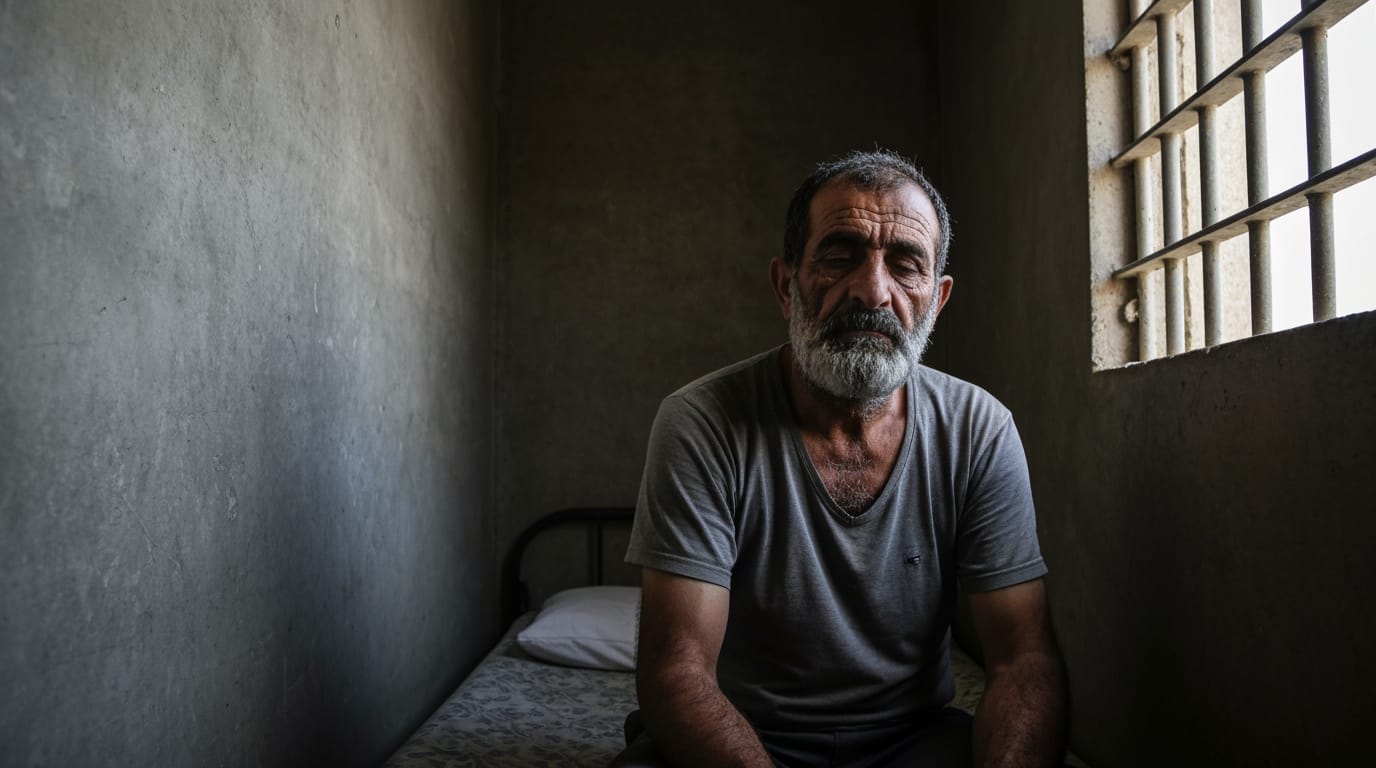
A coalition of human rights organizations has issued urgent warnings regarding the treatment of Palestinian prisoners in Israeli custody, describing a dramatic deterioration of conditions and alleging systematic abuse, torture, and medical neglect. Reports from both Israeli and international groups indicate a significant escalation of concerns since October 7, 2023, with claims that some detention facilities have become "torture camps." These allegations are set against a backdrop of surging arrest numbers and a legal framework that allows for indefinite detention without charge or trial, drawing condemnation from international bodies and fueling humanitarian alarms.
Escalating Crisis in Detention: Numbers Soar, Conditions Worsen
The period since October 7, 2023, has seen an unprecedented increase in the number of Palestinians held in Israeli prisons and detention centers, alongside a sharp decline in conditions, according to multiple human rights reports. As of October 2024, the number of Palestinian prisoners reportedly exceeded 10,100, more than doubling within a year. By September 2025, this figure had risen further to 10,914 Palestinians held on "security grounds." Independent monitoring groups estimate the total number could be even higher, with figures from January 2026 suggesting over 10,000 Palestinians, including hundreds of children and medical workers, are currently detained.
This surge has led to severe overcrowding within the Israeli prison system. By the end of 2024, the total prison population, encompassing both Palestinian and criminal inmates, reached approximately 23,000, significantly exceeding the official capacity of 14,500. Reports indicate that around 90 percent of Palestinian prisoners are confined to living spaces of less than three square meters, with thousands often sleeping on mattresses on the floor in dark, poorly ventilated cells with inadequate sanitation. Such conditions have contributed to outbreaks of diseases like scabies, which, according to Physicians for Human Rights-Israel, reached "pandemic" levels in some facilities, exacerbated by a lack of proper hygiene and denial of treatment. Several organizations, including Palestinian Prisoners' institutions, have declared 2024 the deadliest year for the Palestinian prisoners' movement, citing a surge in deaths and escalating violence. At least 100 prisoners have reportedly died in Israeli jails since October 2023.
Horrific Allegations: Torture, Neglect, and Humiliation
Human rights organizations, including the Israeli group B'Tselem, have published extensive reports, such as "Welcome to Hell" and "Living Hell," detailing widespread and systematic abuse against Palestinian detainees. Testimonies from recently released prisoners describe detention facilities operating as "networks of torture camps," where inmates are subjected to severe physical and psychological abuse, sexual violence, and deliberate neglect.
Allegations include frequent beatings with batons and sticks, often accompanied by dog attacks, during cell searches and transfers. Detainees have reported being stripped naked, blindfolded for extended periods, and subjected to prolonged stress positions. Testimonies describe sleep deprivation, denial of adequate food and water, and being forced to endure loud music for days. Instances of sexual violence are also reported, ranging from groping while blindfolded to more severe forms, including electrocution to genitals, insertion of foreign objects, and even gang-rape allegations. One leaked surveillance video reportedly showed Israeli prison guards sexually abusing a blindfolded Palestinian detainee, who subsequently suffered a ruptured bowel, severe anal injury, lung damage, and broken ribs.
Medical neglect is a consistent and grave concern. Physicians for Human Rights-Israel has accused the Israel Prison Service (IPS) of using medical care as a form of punishment, with claims of systemic denial of essential treatment for serious illnesses like cancer and heart disease. Prisoners with chronic conditions, some requiring wheelchairs or adapted diets, have allegedly been denied necessary care, leading to dangerous health deterioration and, in some cases, death. The Public Defender's Office in Israel also reported "severe hunger" among Palestinian prisoners due to reduced food allotments, resulting in significant weight loss and physical symptoms such as extreme weakness and fainting. Released prisoners arriving at hospitals often show signs of severe malnutrition, dehydration, and injuries consistent with beatings and torture.
Administrative Detention: A Legal Black Hole
A significant proportion of Palestinian prisoners are held under administrative detention, a controversial procedure inherited from the British Mandate that allows for indefinite incarceration without charge or trial. Detainees are held based on secret information not disclosed to them or their lawyers, leaving them unable to refute allegations or prepare a defense. Orders can be renewed for six-month periods repeatedly, leading to individuals being held for years.
The use of administrative detention has dramatically increased, particularly since October 2023. The number of administrative detainees rose from 1,319 on October 1, 2023, to 2,070 by November 1, 2023, reaching 3,291 by January 2024. As of September 2025, 3,474 Palestinians were in administrative detention. The IPS also utilizes the "Internment of Unlawful Combatants Law" for Gazans, a designation not recognized under international law, to hold individuals indefinitely without charge or trial, effectively stripping them of basic protections. Human rights groups argue that this practice is used as a tool of collective punishment and persecution rather than a preventive measure.
Calls for Accountability and Official Responses
International bodies and human rights advocates have consistently called for investigations into these allegations. UN experts have warned that Israel's "widespread and systemic abuse of Palestinians in detention" could constitute a "crime against humanity." The UN Human Rights Office reported widespread arbitrary and incommunicado detention, torture, and mistreatment, including sexual abuse. The US State Department has called for "zero tolerance" of sexual abuse and a full investigation into such claims. The International Committee of the Red Cross (ICRC) expressed outrage at the treatment of released Palestinian prisoners, who were reportedly shackled and humiliated during exchanges.
The Israeli government, through its spokespersons and military, has generally denied systematic abuse, asserting adherence to international law and claiming that all prisoners are treated according to legal standards by professionally trained guards. They maintain that specific claims of abuse are investigated. For instance, the military opened an investigation into suspected abuse at the Sde Teiman detention site, which led to the arrest of reserve soldiers. However, Israeli officials, including hard-line National Security Minister Itamar Ben-Gvir, have also publicly acknowledged and justified making conditions harsher for Palestinian detainees since October 7, stating that prisons would no longer be "summer camps." The Israel Prison Service has stated that conditions were intentionally reduced "to the minimum required by law" to deter "terror activities."
The disparity between the detailed accounts from human rights groups and former detainees, and official Israeli denials, underscores a deep chasm in perspectives and highlights the urgent need for transparency and independent oversight. The allegations persist, drawing continued international scrutiny and raising profound questions about human rights protections within the Israeli detention system.