Russia Moves to Delist Taliban as Terrorist Organization, Paving Way for Closer Ties
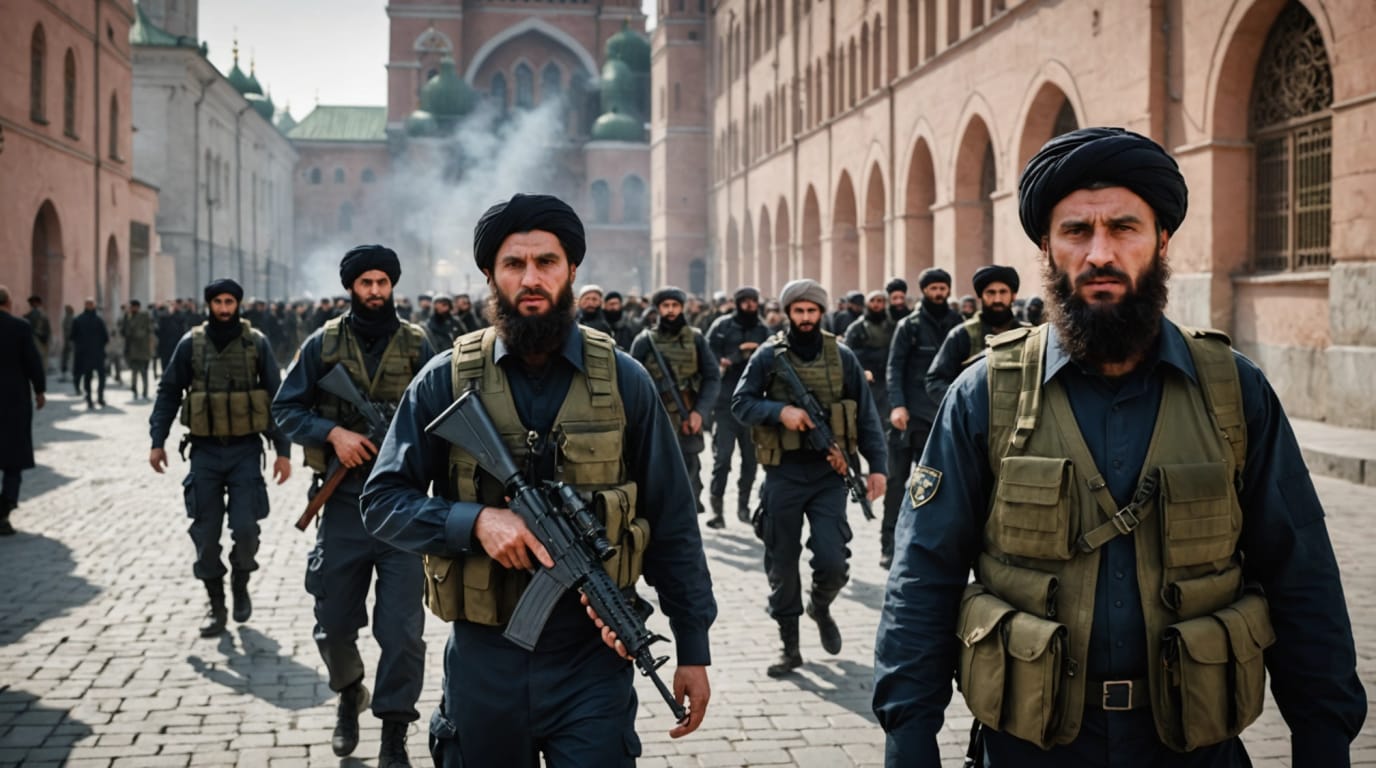
Moscow is taking steps to remove the Taliban from its list of terrorist organizations, signaling a potential shift in regional dynamics and a deepening relationship between Russia and the current Afghan government. This move, while controversial, reflects Russia's evolving strategic interests in Afghanistan and its broader approach to counterterrorism in the region.
From Blacklist to Potential Partner
The Taliban was officially designated as a terrorist organization in Russia in 2003, a decision stemming from the group's support for Chechen separatists in the early 2000s. However, in recent years, Moscow's stance has gradually softened, culminating in the current move to delist the group. Zamir Kabulov, the Russian Special Presidential Representative for Afghanistan, announced in October 2024 that the decision to remove the Taliban from the list had been approved by the Kremlin, with the Foreign Ministry and Federal Security Service (FSB) finalizing the legal procedures. In December 2024, Russian President Vladimir Putin signed a law that authorized the government to remove organizations from its list of terrorist groups, including the Taliban and Hayat Tahrir al-Sham (HTS).
Counterterrorism Strategy
Russia's primary rationale for engaging with the Taliban is rooted in its counterterrorism strategy. Moscow views the Islamic State in Khorasan Province (ISKP), an affiliate of ISIS, as a more immediate and significant threat to regional stability than the Taliban. By engaging with the Taliban, Russia aims to leverage the group's capacity to combat ISKP within Afghanistan. This perspective aligns with President Putin's statement in July 2024, where he described the Taliban as a "trusted ally" in the fight against terrorism.
Normalizing Relations
The decision to remove the Taliban from the terrorist list is a crucial step toward normalizing relations with the current government in Kabul. Despite not formally recognizing the Taliban government, Russia has maintained its embassy in Kabul since the Taliban's takeover in 2021. Delisting the Taliban could lead to the removal of sanctions and facilitate increased economic and political cooperation. This normalization aligns with a broader trend among Afghanistan's neighbors, including Kazakhstan and Uzbekistan, who are also seeking to engage with the Taliban pragmatically.
Economic and Geopolitical Considerations
Beyond security concerns, Russia also has economic interests in Afghanistan. Removing restrictions on the Taliban could pave the way for new trade routes and investment opportunities. Afghanistan's strategic location makes it a potentially valuable transit hub for Russian trade with South Asia. However, significant challenges remain, including the lack of well-functioning state institutions and uncertainty surrounding the Taliban's leadership.
International Response and Concerns
Russia's move has drawn mixed reactions internationally. While some countries may see the pragmatic value in engaging with the Taliban to address security and humanitarian concerns, others remain wary of the group's human rights record, particularly its treatment of women and girls. No country has yet formally recognized the Taliban government, and concerns persist about the group's commitment to inclusive governance and counterterrorism. Despite these concerns, the United Nations Security Council has shown some flexibility, recently lifting travel restrictions for several Taliban leaders.
Conclusion
Russia's decision to remove the Taliban from its list of terrorist organizations marks a significant shift in its approach to Afghanistan. Driven by counterterrorism concerns, economic interests, and a desire to play a more prominent role in the region, Moscow is forging closer ties with the Taliban. While the move is not without controversy and potential risks, it reflects a pragmatic assessment of the current realities in Afghanistan and the evolving geopolitical landscape. The long-term implications of this decision remain to be seen, but it is clear that Russia is positioning itself as a key player in shaping Afghanistan's future.


