Russia Unleashes Massive Daytime Drone Barrage, Escalating Ukraine Conflict with Fatal Consequences
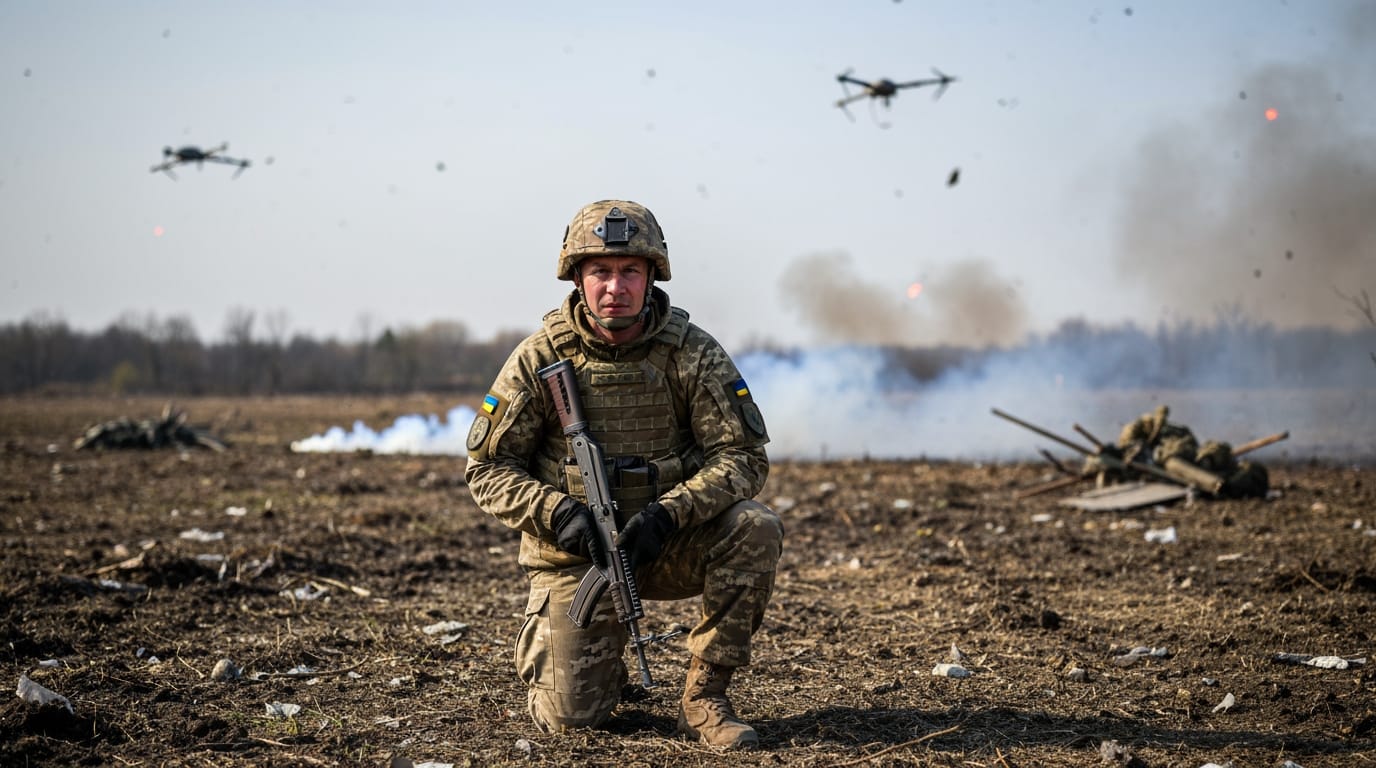
Kyiv, Ukraine – Russia launched one of its most extensive and deadly drone assaults on Ukraine on Wednesday, May 13, 2026, deploying over 800 unmanned aerial vehicles in a rare daytime barrage that killed at least six people and injured dozens, including children, across multiple regions. This large-scale attack, which followed a previous deadly offensive, marks a significant escalation in Moscow's strategy to overwhelm Ukrainian air defenses and inflict widespread damage on critical infrastructure and civilian areas. The unprecedented daytime nature of the assault forced residents into shelters and highlighted Russia's evolving tactics in the prolonged conflict.
The Escalation of Aerial Warfare
The May 13th attack saw more than 800 Russian drones launched since midnight, with additional waves continuing to enter Ukrainian airspace throughout the day. Ukrainian President Volodymyr Zelenskyy confirmed the attack, describing it as "one of the longest massive Russian attacks against Ukraine." Targets spanned a vast geographical area, including Kyiv's critical infrastructure, residential buildings in Rivne where three people were killed, and non-residential structures and critical infrastructure facilities in Volyn Oblast, impacting cities like Lutsk and Kovel. Injuries were also reported in Smila, Cherkasy Oblast, Khmelnytskyi Oblast, and Odesa, where drone debris sparked a fire. In Mykolaiv Oblast, energy infrastructure was struck, though no immediate casualties were reported there. This departure from Russia's typical nighttime drone operations signals a tactical shift, likely aimed at maximizing disruption and civilian impact.
Russia's Evolving Drone Strategy
Russia has increasingly relied on its arsenal of drones, particularly the Iranian-designed Shahed (referred to by Russia as Geran-2) "kamikaze" drones, to execute its destructive campaigns. These low-cost, one-way attack drones are often launched in large numbers as part of a "drone saturation" tactic, designed to overwhelm Ukraine's air defense systems and erode civilian morale through persistent, often nightly, attacks. Initially, these waves were smaller and primarily occurred under the cover of darkness. However, recent months have seen a transition to a 24-hour-a-day, seven-day-a-week cycle of attacks. Moscow has also continuously adapted the Shahed drones, incorporating improved navigation systems, larger warheads (up to 90 kilograms), and even jet engines to make them faster and harder to intercept. Some newer variants include decoys built from foam and plywood to further exhaust or distract Ukrainian defenses, with roughly 40% of all Russian drone launches now falling into this category. Targets consistently include Ukraine's critical infrastructure, such as energy and railway facilities, as well as residential areas, in what has been widely condemned as a campaign targeting civilians.
Ukraine's Resilient Defense and Countermeasures
Despite the overwhelming scale and evolving sophistication of Russian drone attacks, Ukraine's air defense forces have demonstrated remarkable resilience and effectiveness. Ukrainian officials report intercepting roughly 90% of incoming Russian drones, a rate that has steadily improved over time. In March 2026, Ukraine's air defenses destroyed or suppressed 89.9% of Russian aerial targets, up from 85.6% in February and 80.2% in December. This success is attributed to a multi-layered defense system that includes mobile fire groups equipped with machine guns and portable anti-aircraft missile systems (MANPADS), alongside more advanced interceptor drones, electronic warfare tactics, helicopters, and even fighter jets. Interceptor drones, such as the Sting model from Ukrainian manufacturer Wild Hornets, have become increasingly vital, destroying a significant percentage of Shahed-style weapons. While Ukraine still faces a shortage of expensive interceptors like Patriot missiles needed to counter ballistic threats, it has also adopted a proactive strategy by striking Russian drone production facilities to disrupt their supply chains.
The Mounting Human Cost
The relentless drone barrages have exacted a devastating human toll on Ukraine. The UN Human Rights Monitoring Mission in Ukraine (HRMMU) reported that more people were killed and injured in the first four months of 2026 than in the same period in any of the last three years, with 815 civilians killed and 4,174 injured between January and April 2026. Short-range drone strikes alone caused more civilian casualties in August 2025 than any other weapon, leading to 58 deaths and 272 injuries. In the Kherson region, a UN human rights commission estimated that at least 200 civilians had been killed and over 2,000 wounded by Russian-operated drones since May 2024. Specific incidents underscore the brutality of these attacks, including a bus struck by a drone that injured 10 people, the killing of an elderly woman by a drone, and attacks on an ambulance and an evacuation vehicle in Kherson. These attacks, particularly those targeting critical infrastructure, aim to deprive millions of Ukrainians of essential services like heating and electricity, compounding hardship, especially as winter approaches.
An Unyielding Battle in the Skies
The recent fatal drone barrages represent a harrowing continuation of Russia's aerial assault on Ukraine, characterized by an escalating volume and tactical evolution of drone warfare. Ukraine's ability to defend against these sophisticated and numerous attacks remains critical, with ongoing international support for air defense systems and humanitarian aid being paramount. The sustained bombardment underscores the immense human suffering endured by the Ukrainian populace and highlights the urgent need for a robust and adaptive response to this persistent threat in modern conflict.


