Russia Unleashes "Massive" Winter Assault on Ukraine's Energy Grid, Triggering Widespread Blackouts and Casualties
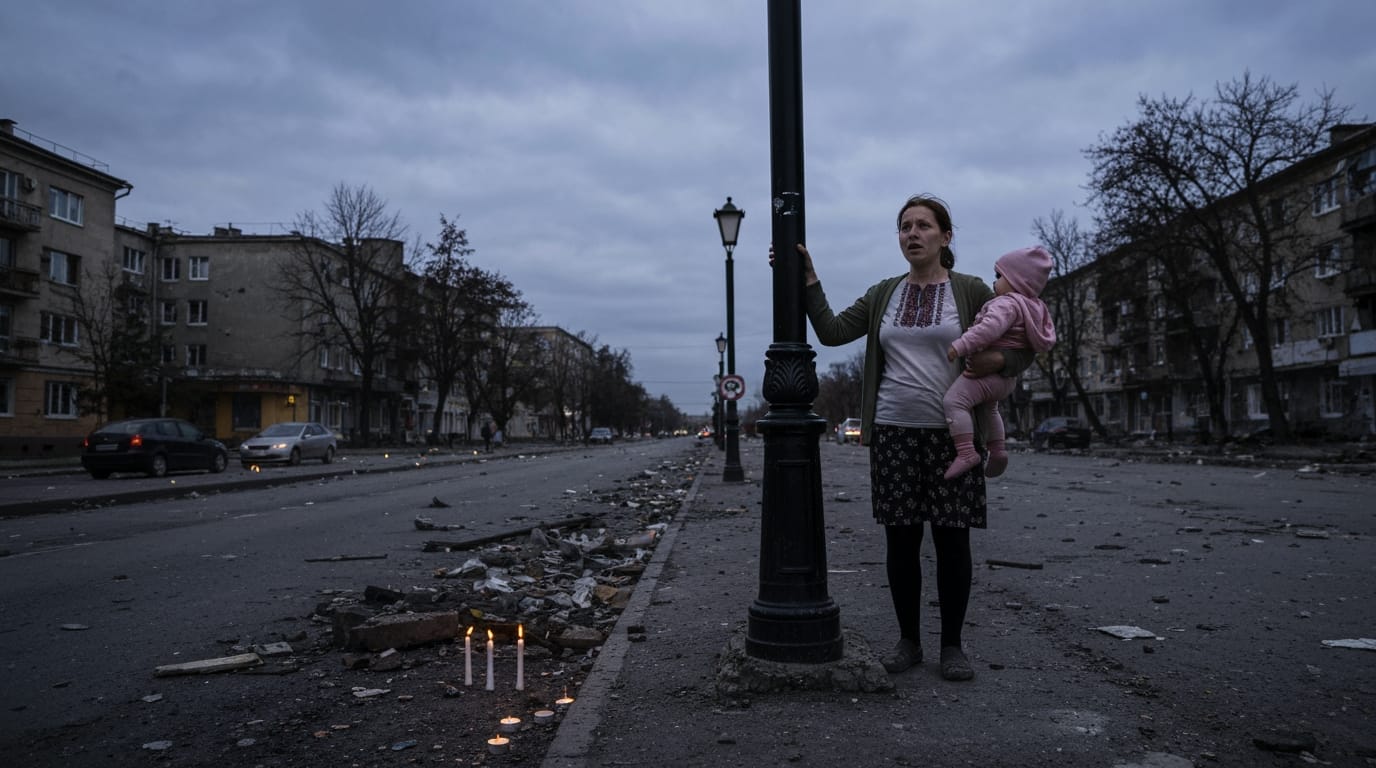
KYIV, Ukraine – A barrage of Russian missiles and drones struck Ukraine's energy infrastructure overnight into Tuesday, December 23, 2025, initiating widespread emergency power outages across multiple regions, including the capital Kyiv, and claiming the lives of at least two civilians, including a young child. The large-scale assault, characterized by Ukrainian officials as "massive," has plunged communities into darkness amid freezing winter temperatures and intensifies an ongoing campaign to cripple the nation's critical power supply.
The coordinated aerial attacks primarily targeted energy facilities in Ukraine's western oblasts, though explosions and disruptions were reported in numerous areas stretching from Rivne and Khmelnytskyi to Dnipropetrovsk and Kharkiv. Ukrainian authorities swiftly implemented emergency power cuts as air raid alerts blared across nearly the entire country, a grim testament to the assault's broad reach. This latest strike highlights Russia's persistent strategy of energy terror as Ukrainians brace for a challenging winter period.
The Scope of the Attack: Drones, Missiles, and Civilian Toll
The dawn of December 23, 2025, brought a torrent of aerial threats, with Ukraine's Air Force reporting the launch of hundreds of drones and dozens of Russian missiles. Energy infrastructure bore the brunt of the assault, particularly in the country's far-western regions. Prime Minister Yulia Svyrydenko confirmed that western oblasts experienced the most severe impact on their energy facilities. Reports indicated that the Rivne region was almost entirely without power following the strikes. Neighboring Poland responded by scrambling fighter jets to safeguard its airspace, underscoring the regional tension ignited by the offensive.
Tragically, the attack resulted in immediate casualties. Authorities confirmed at least two fatalities, including a 4-year-old child, in separate incidents in the Khmelnytskyi region and Kyiv. Additionally, local officials reported at least 13 injuries, with children among the wounded across various affected regions. The strikes also sparked fires in several locations, compounding the damage and response efforts. Beyond direct hits, Ukraine's Acting Minister of Energy, Artem Nekrasov, revealed that nuclear power plants were compelled to reduce their generation capacity due to the attack, a measure he stressed violates nuclear safety standards and demands international attention.
Energy Infrastructure Under Relentless Pressure
Russia's systematic targeting of Ukraine's energy grid has been a hallmark of the conflict since its full-scale invasion in February 2022, intensifying particularly in late 2022 and throughout 2024 and 2025. These sustained attacks have aimed to destabilize the electricity system by disabling generation units and key transmission networks. By mid-2024, Ukrainian officials estimated that approximately 70% of the country's thermal power stations had been damaged or destroyed, resulting in a significant deficit in electricity generation capacity. The focus of these strikes has evolved, with 2024 attacks increasingly targeting generation facilities rather than just transmission infrastructure, causing more profound and long-lasting damage.
The cumulative effect of these repeated assaults has been severe, leading to recurring localized blackouts, heating failures, and water disruptions, especially in frontline areas. Many households have been subjected to electricity rationing, often receiving power for only a few hours each day. Energy experts and government officials have warned that the current wave of attacks is particularly concerning, as it strategically targets systems that are difficult to repair, aiming for long-term collapse rather than short-term disruption.
Humanitarian Crisis Deepens Amid Freezing Temperatures
The latest wave of attacks arrives as temperatures across Ukraine hover near freezing, exacerbating the humanitarian crisis. Widespread power outages directly impact heating systems, water supply (which relies on electric pumps), and vital services such as healthcare and communication. The lack of consistent power poses life-threatening risks for vulnerable populations, including the elderly, young children, and those with chronic medical conditions, particularly when heating and hot water become unavailable.
Humanitarian organizations have consistently warned about the severe consequences of energy insecurity. The United Nations Office for the Coordination of Humanitarian Affairs previously noted that even a single attack could interrupt power for millions and deprive entire cities of water. The ongoing disruptions undermine household resilience, force increased expenditures, and raise concerns about potential displacement as families seek warmer, more stable environments.
Resilience and International Support
Despite the relentless targeting, Ukraine has demonstrated remarkable resilience in defending and repairing its critical infrastructure. Repair teams and energy specialists are poised to begin addressing the damage as soon as security conditions permit. This resilience is bolstered by significant international support. Just days before this latest attack, the European Commission announced the successful relocation of an entire thermal power plant from Lithuania to Ukraine, a monumental logistical undertaking. This plant is capable of supplying electricity to approximately one million Ukrainians and is a critical component in emergency repair efforts.
The European Union's broader support for Ukraine's energy sector has included the delivery of thousands of generators and transformers, aiding an estimated 9 million people. These efforts are crucial in mitigating the impact of Russia's strategy, which President Volodymyr Zelenskyy has described as aiming to break the will of the Ukrainian people through psychological warfare.
Looking Ahead: A Winter of Uncertainty
As Ukraine navigates another winter under the shadow of relentless attacks, the December 23 assault underscores the ongoing vulnerability of its energy system and the profound human cost of the conflict. The systematic destruction of energy infrastructure continues to inflict hardship on civilians, disrupt essential services, and place immense pressure on the country's recovery efforts. While international assistance and Ukrainian resilience have proven vital, the path to energy security remains fraught with challenges, with daily power cuts becoming a stark reality for millions. The international community watches closely as Ukraine battles not only on the front lines but also to keep its lights on during the coldest months.


