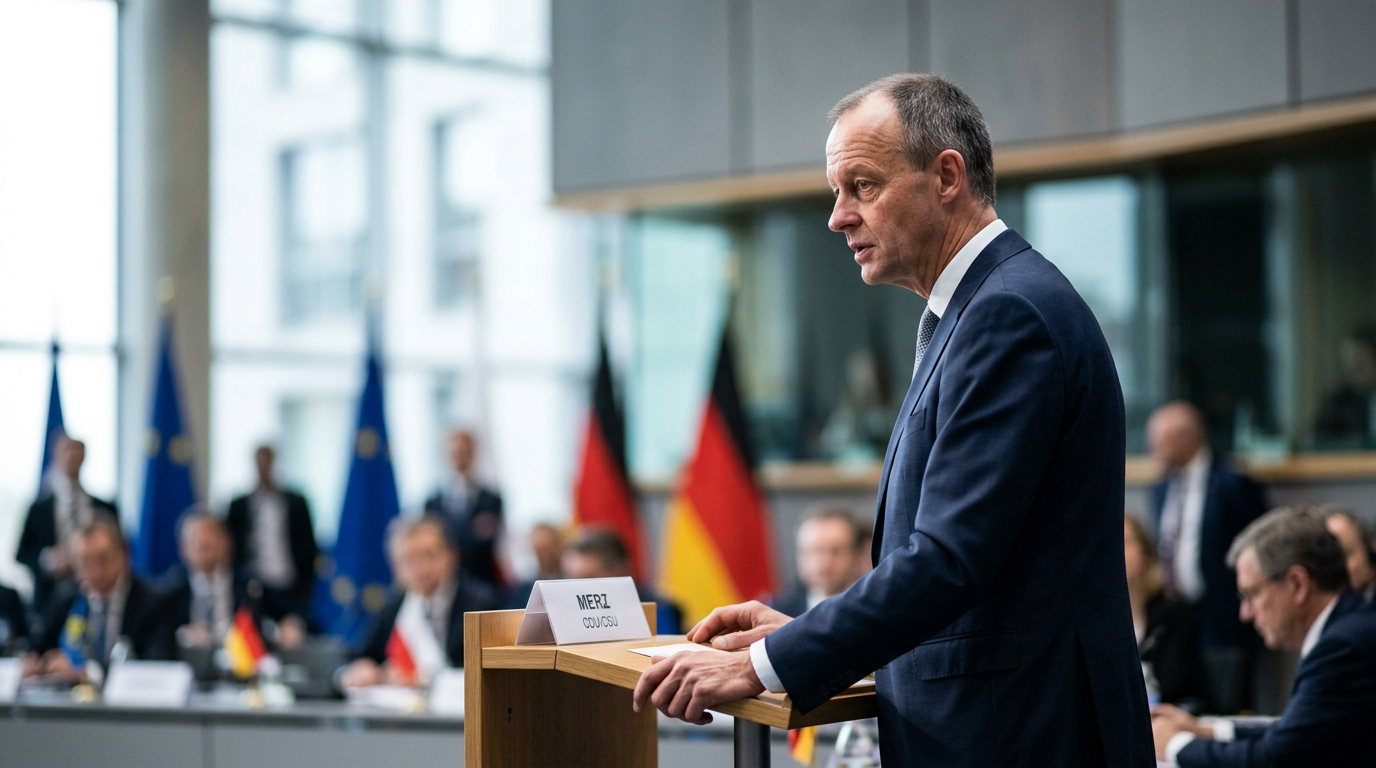
Russian Barrage Precedes Geneva Talks, Clouding Ukraine Peace Prospects

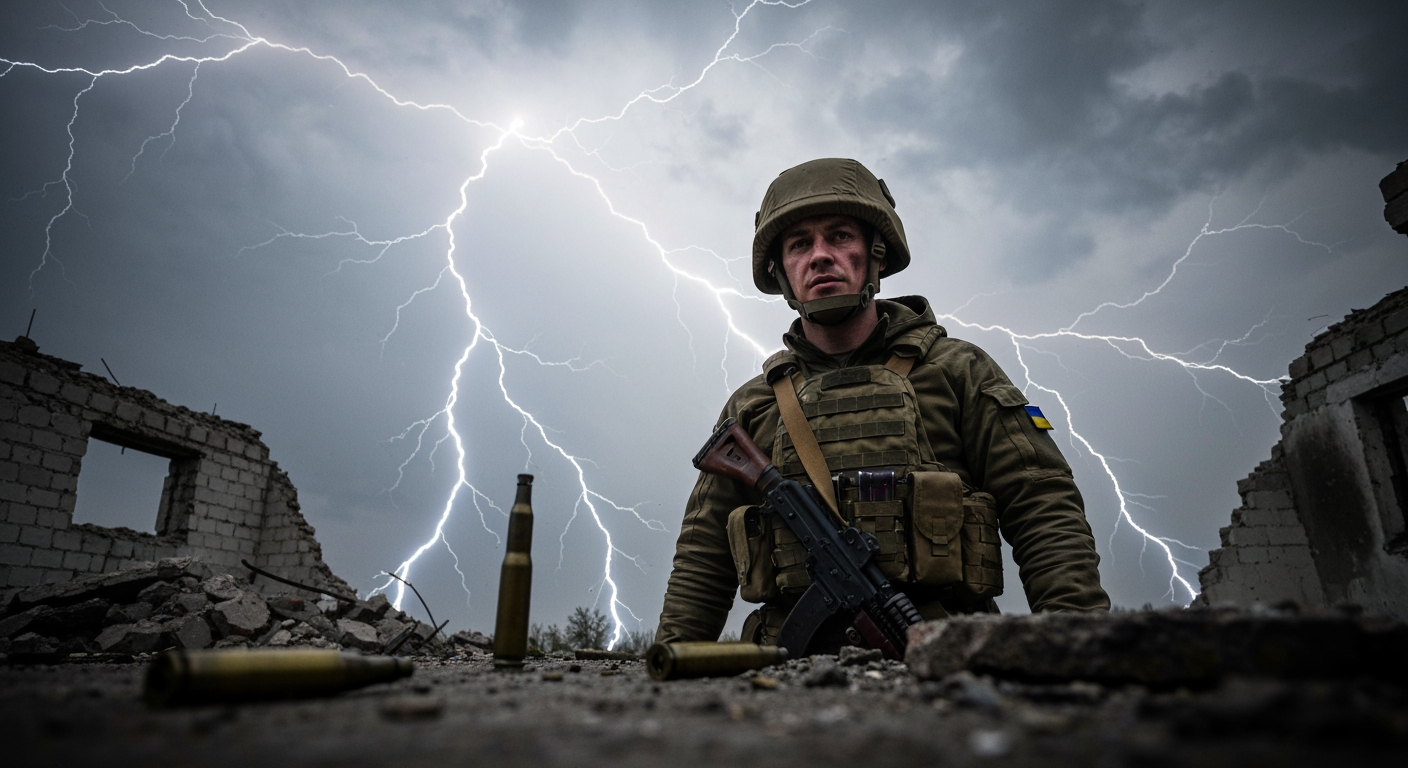
KYIV, Ukraine – A massive overnight aerial assault by Russian forces struck across Ukraine, injuring dozens and damaging critical infrastructure, just hours before U.S. and Ukrainian envoys were set to convene in Geneva for a new round of peace talks. The bombardment, which President Volodymyr Zelenskyy reported included hundreds of drones and dozens of missiles, underscores the volatile backdrop against which diplomatic efforts are attempting to navigate the protracted conflict now in its fifth year. The intensified aggression casts a shadow over the viability of current peace initiatives, highlighting the deep chasm separating the warring nations.
Escalation Amidst Diplomatic Overtures
On Thursday, February 26, 2026, Ukrainian officials confirmed a widespread Russian offensive that saw 420 drones and 39 missiles, including 11 ballistic missiles, target eight regions of the country. The synchronized attacks inflicted damage on vital infrastructure, including gas facilities in the Poltava region and electrical substations near Kyiv and Dnipropetrovsk. Residential areas also bore the brunt of the assault, with private homes, apartment buildings, a kindergarten, and a gas station sustaining damage. Ukrainian authorities reported dozens of casualties, including children, with at least 23 individuals wounded across multiple cities, among them a seven-year-old boy in Kharkiv. Ukrainian air defenses intercepted the majority of the incoming projectiles, with President Zelenskyy attributing this success to the timely provision of additional air defense interceptors from Western partners. Simultaneously, Russia's Ministry of Defense claimed its forces shot down 17 Ukrainian drones over Russian territory and the Black and Azov Seas. This latest wave of attacks follows a pattern of Russia targeting Ukraine's energy infrastructure, notably a "most powerful" strike earlier in the month that left hundreds of thousands without heat amidst severe winter conditions.
Geneva Talks and the Territorial Impasse
The heavy barrage occurred on the day Ukrainian lead negotiator Rustem Umerov and U.S. envoys Steve Witkoff and Jared Kushner were scheduled to hold bilateral talks in Geneva. These discussions aimed to prepare for an upcoming trilateral meeting with Moscow, potentially slated for early March, and to address a possible postwar recovery plan for Ukraine, encompassing economic support, investment, and long-term cooperation. A significant agenda item for the Ukrainian side included discussing a prisoner exchange, with Russia having recently returned 1,000 bodies of fallen Ukrainian soldiers in exchange for 35 of its own.
However, the path to a comprehensive peace remains obstructed by fundamental disagreements, primarily Russia's insistence on retaining Ukrainian territories it claims. Russia demands that Ukraine cede the entire Donbas region and withdraw its forces from four other regions currently under Ukrainian control, conditions Kyiv views as unacceptable and tantamount to capitulation. Ukrainian President Zelenskyy has repeatedly called for a direct summit with Russian President Vladimir Putin, believing a face-to-face meeting could be decisive in breaking the stalemate, but the Kremlin has so far rebuffed the proposal, offering instead an invitation for Zelenskyy to visit Moscow, which he declined.
International Reactions and Humanitarian Concerns
The continuous targeting of civilian infrastructure, particularly during the harsh winter months, has drawn sharp condemnation. Ukrainian Foreign Minister Andrii Sybiha criticized Russia's actions, stating that while the world demands Moscow cease the war, President Putin continues to escalate with "terror, attacks, and aggression," and called for increased military aid and sanctions against Russia. The humanitarian impact of these strikes is profound, with residents describing fear and anxiety during air raid alarms and the challenges of enduring loss of heat and power. The European Union has reiterated its unwavering support for Ukraine, emphasizing its commitment to a "comprehensive, just and lasting peace" based on international law and the principles of the UN Charter, and has pledged substantial financial and military aid, totaling €90 billion for 2026-2027. However, the unity of international response has faced challenges, with Hungary blocking an EU loan to Ukraine and new sanctions on Russia amid disputes over Russian oil flowing through the Druzhba pipeline.
The Fifth Year of Conflict: Strategic Maneuvers and Future Prospects
As the conflict enters its fifth year, Russia's strategy appears to involve a "war of attrition," aiming to disrupt civilian life and exert pressure on Ukrainian authorities to concede during negotiations. The consistent targeting of energy systems during winter is intended to create domestic pressure on Ukraine. Despite these attacks, Ukraine has remained steadfast, strengthening its anti-drone defenses and relying on ongoing international support. European nations, recognizing Ukraine's crucial role in regional security, are reportedly increasing their assistance to Kyiv, partly to counter perceived U.S. pressure for a swift resolution that might favor Russian terms. Some analysts suggest that Russia's maximalist demands and Ukraine's unwavering stance on territorial integrity make a lasting peace elusive in the near term, with a "frozen conflict" remaining a more probable outcome than a comprehensive settlement. The divergence in perspectives extends to the very purpose of the talks, with Moscow viewing them as an opportunity to push its predetermined demands, while Kyiv seeks genuine security guarantees and a restoration of its territorial integrity.
The latest Russian aerial attacks, launched just hours before critical diplomatic discussions in Geneva, underscore the immense challenges facing any peace process in Ukraine. While international envoys strive to find common ground for a postwar recovery and a potential path to ending the conflict, the ongoing hostilities and entrenched maximalist demands from both sides reveal a deeply fractured landscape. The humanitarian cost continues to mount, and the strategic implications of a prolonged conflict resonate across global security dynamics. As the war stretches into its fifth year, the immediate future remains characterized by a precarious balance between continued military confrontation and the elusive pursuit of a durable peace.
Related Articles

Ratko Mladić, "Butcher of Bosnia" and Convicted War Criminal, Dies at 84
THE HAGUE, Netherlands – Ratko Mladić, the former Bosnian Serb military commander known as the "Butcher of Bosnia" and convicted of genocide, war crimes, and crimes against humanity, has died at the age of 84. Serbian...

Long-Awaited 9/11 Mastermind Trial Set for 2028, Decades After Attacks
GUANTANAMO BAY, Cuba – Nearly a quarter-century after the devastating terror attacks of September 11, 2001, a military judge has finally set a trial date for Khalid Sheikh Mohammed, the alleged mastermind behind the...