Russian Drone Strike Hits Chornobyl Nuclear-Fuel Storage Facility, Raising Global Safety Concerns
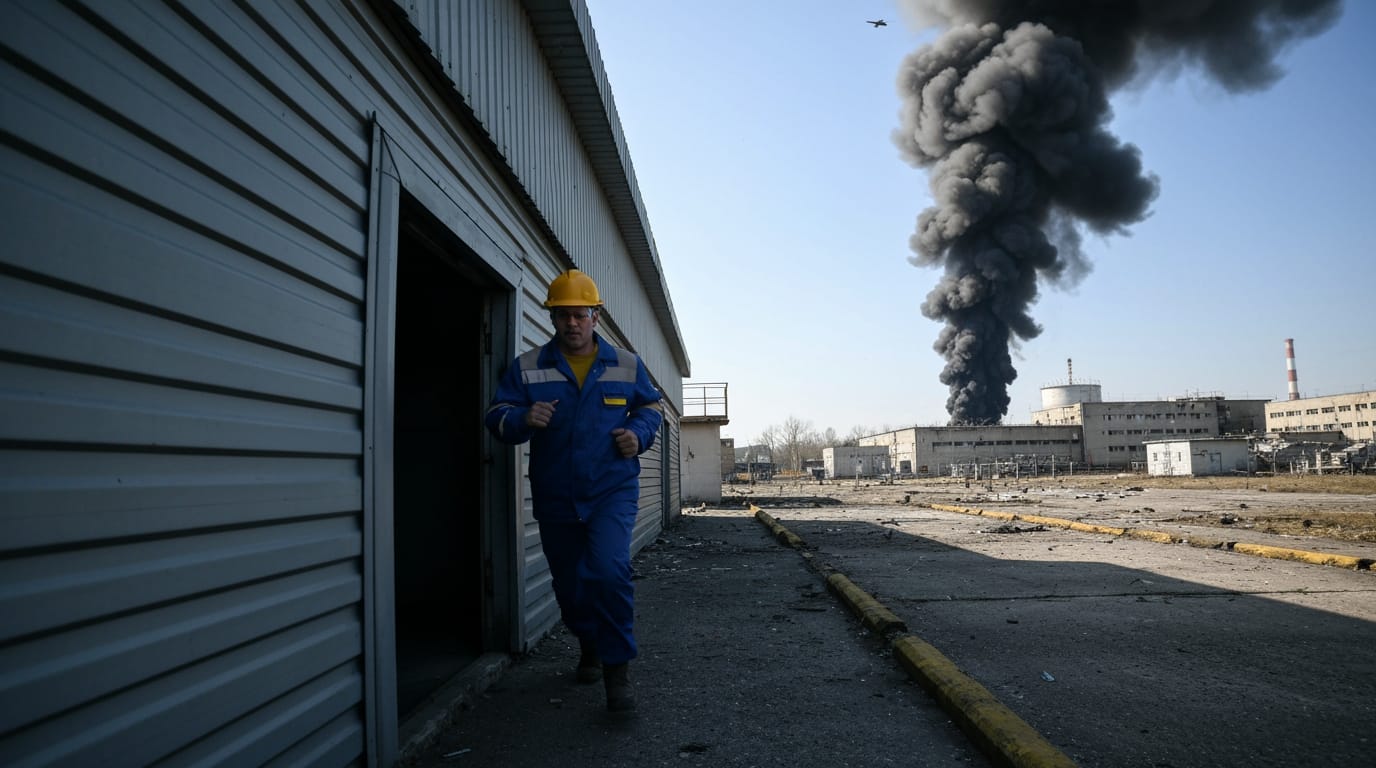
CHORNOBYL EXCLUSION ZONE, Ukraine – A Russian drone struck Ukraine's Centralized Spent Nuclear Fuel Storage Facility (CSFSF) in the Chornobyl Exclusion Zone overnight on Sunday, June 7, 2026, igniting a fire and causing structural damage, according to Ukrainian officials. While authorities reported no immediate threat of radiation release or personnel casualties, the incident has sparked widespread alarm regarding nuclear safety amidst the ongoing conflict and drawn swift condemnation from Kyiv and international bodies. The attack marks a dangerous escalation in strikes on critical nuclear infrastructure, prompting renewed calls for the protection of such sites.
The Overnight Assault and Immediate Aftermath
The drone attack occurred around 2:10 a.m. local time, targeting the container reception building of the CSFSF, a crucial component of Ukraine's nuclear waste management system. Ukraine's state nuclear operator, Energoatom, reported that the strike partially destroyed the facility's reception building, which is used for processing incoming fuel casks. A fire erupted covering approximately 40 square meters (430 square feet) following the impact, but emergency response teams swiftly localized and extinguished the blaze. Fortunately, no spent nuclear fuel was being stored in the damaged building at the time of the strike, and radiation levels across the site remained within normal limits. No personnel were injured during the incident.
Ukrainian President Volodymyr Zelenskyy condemned the strike as "extremely vile," asserting that Russia deliberately targeted the critical nuclear infrastructure. He emphasized that while radiation levels did not exceed normal background levels, the attack represented an increase in "Russia's brazenness." Ukrainian Foreign Minister Andrii Sybiha echoed these sentiments, stating that "Russia's nuclear blackmail and threats to nuclear safety are systemic, deliberate, and unacceptable." Russia has not yet issued a public statement regarding the alleged attack.
The Centralized Spent Nuclear Fuel Storage Facility
The Centralized Spent Nuclear Fuel Storage Facility (CSFSF), located near the disused Chornobyl power plant and approximately 15 kilometers (9 miles) from the site of the 1986 disaster, is vital to Ukraine's energy independence. It is designed to provide long-term, safe storage for spent nuclear fuel extracted from Ukraine's operational nuclear power plants. The facility utilizes advanced dry cask storage technology, developed in cooperation with the American company Holtec International. This method involves sealing spent fuel assemblies inside robust steel-and-concrete containers, which are designed to passively contain radiation without requiring active cooling systems, making it one of the most secure forms of civilian nuclear waste containment. The container reception building, while crucial for operations, functions as a support structure rather than a primary containment unit for the highly radioactive material itself, explaining why radiation levels remained stable despite the structural damage. The construction of such a facility reduces Ukraine's reliance on Russia for the reprocessing or storage of its spent nuclear fuel.
International Outcry and Mounting Concerns
The international community reacted with alarm to the news of the drone strike. The International Atomic Energy Agency (IAEA) Director General Rafael Grossi expressed his profound concern, labeling the incident as "deeply alarming." Grossi reiterated the agency's long-standing warnings that attacks on nuclear facilities are "playing with fire" and are "completely unacceptable." An IAEA team, which maintains a presence at the Chornobyl site, is scheduled to inspect the damaged facility to independently assess the impact of the strike and confirm radiation safety. Ukraine has also initiated efforts to inform international partners about the incident, with President Zelenskyy calling for "real new steps by the world" to make Russia feel the consequences of its actions. Energy Minister Denys Smyhal called the strike an "unprecedented threat to nuclear and radiation safety" and a violation of international law.
A Pattern of Risk to Nuclear Safety
This latest drone strike is not an isolated event but rather another in a series of incidents highlighting the profound risks the conflict poses to Ukraine's nuclear infrastructure. In February 2025, a Russian unmanned aerial vehicle reportedly hit the New Safe Confinement structure at the Chornobyl Nuclear Power Plant itself, causing significant damage to the protective arch over the damaged reactor, though radiation levels did not increase then either. Russia denied responsibility for that attack, claiming Ukrainian officials fabricated the allegations to disrupt peace negotiations.
Beyond Chornobyl, the Russian-occupied Zaporizhzhia Nuclear Power Plant, Europe's largest, has been a persistent flashpoint, with both Kyiv and Moscow trading accusations of shelling and drone attacks near the facility. The IAEA has repeatedly voiced concerns over the safety and security of the Zaporizhzhia plant, calling for a demilitarized zone around it to prevent a potential nuclear catastrophe. The cumulative effect of these incidents, while individually not leading to a major radiological emergency, collectively erodes the safety margins designed to protect millions across Ukraine and Europe. The increased drone activity near Ukrainian nuclear power plants, as noted by the IAEA on May 14, indicates a heightened and continuous threat to these sensitive sites.
Conclusion
The Russian drone strike on the Centralized Spent Nuclear Fuel Storage Facility in the Chornobyl Exclusion Zone underscores the precarious state of nuclear safety in a war-torn region. While the immediate danger of a major radiation release was averted due to the absence of spent fuel in the damaged building and the swift response of emergency services, the attack serves as a stark reminder of the potential for catastrophic consequences. The incident intensifies international calls for greater protection of nuclear sites and highlights the systemic disregard for international nuclear safety principles that Ukrainian officials attribute to the ongoing conflict. As investigations proceed, the world watches with bated breath, recognizing that another misstep or deliberate act could have far-reaching and devastating repercussions beyond the battlefield.