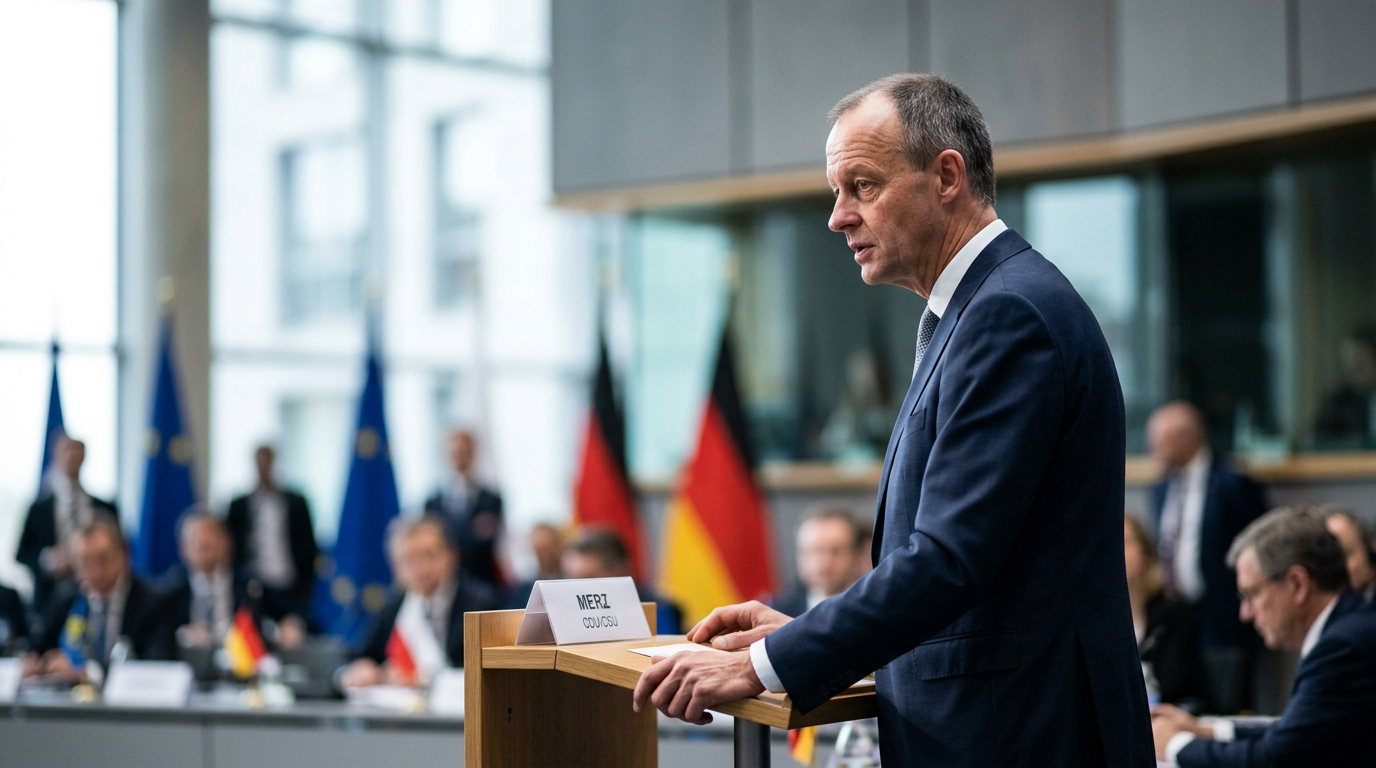
Russian Strikes Kill 15, Injure Scores in Kyiv and Across Ukraine
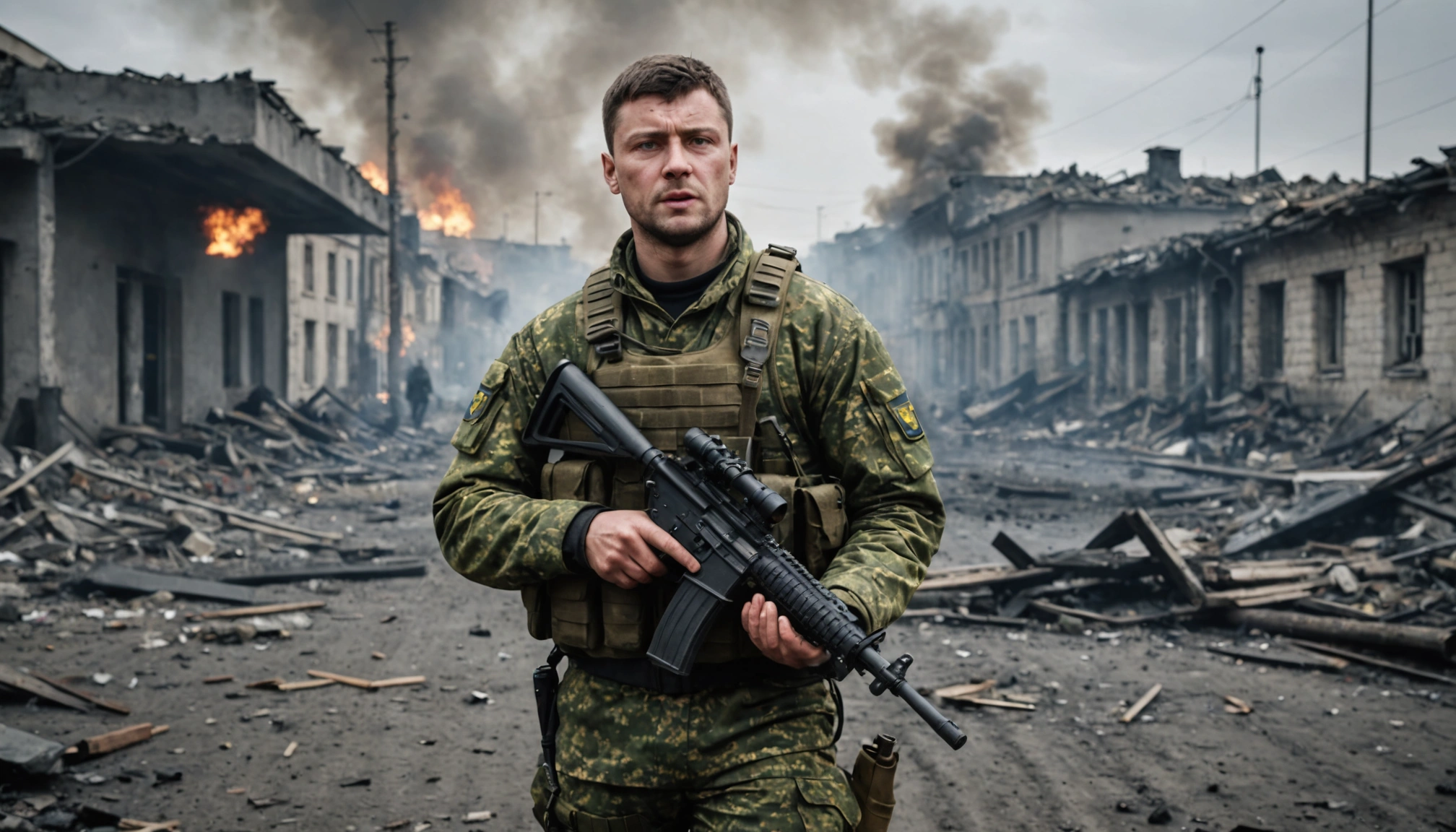
Kyiv, Ukraine – A barrage of Russian missile and drone attacks across Ukraine killed at least 15 people and injured over 150, officials reported Tuesday, marking one of the deadliest assaults on the capital city of Kyiv this year. The overnight strikes, which lasted for nearly nine hours, targeted residential buildings and critical infrastructure, prompting widespread condemnation and renewed calls for international support.
Devastation in Kyiv
The main assault focused on Kyiv, where at least 14 people were killed and 139 injured, according to the Interior Ministry. A nine-story apartment building was struck, resulting in the destruction of dozens of apartments. Kyiv City Military Administration head Tymur Tkachenko described the scene as one of the most terrifying strikes the capital has endured. Emergency services are continuing to search for survivors trapped beneath the rubble. Mayor Vitalii Klitschko has declared Wednesday an official day of mourning in the city.
Olena Lapyshniak, 49, a resident of one of the targeted apartment buildings, recounted the horror of the attack. She described hearing a whistling sound followed by two explosions that shattered windows and doors. "It's horrible, it's scary, in one moment there is no life," she said. "There's no military infrastructure here, nothing here, nothing. It's horrible when people just die at night."
Nationwide Attacks
Beyond Kyiv, other regions of Ukraine were also targeted. The southern port city of Odesa was struck by drones, resulting in one death and 17 injuries, according to Oleh Kiper, head of the regional administration. President Volodymyr Zelenskyy stated that regions including Zaporizhzhia, Chernihiv, Zhytomyr, Kirovohrad and Mykolaiv were also attacked.
Ukraine's military reported that Russia launched over 440 drones and 32 missiles in the coordinated overnight bombardment. The Kyiv City Military Administration noted that the strikes involved direct hits on residential buildings, with rockets impacting structures from the upper floors down to the basement.
International Response and Zelenskyy's Plea
President Zelenskyy, currently in Canada for the G7 summit, condemned the attacks as "pure terrorism." He urged the United States, Europe, and the broader international community to respond decisively. "Putin is doing this simply because he can afford to continue the war. He wants the war to go on," Zelenskyy said. "It is troubling when the powerful of this world turn a blind eye to it."
Zelenskyy is using the G7 summit to press for increased military and financial assistance for Ukraine. The intensified Russian attacks underscore Ukraine's desperate need for ongoing support from its allies.
Rising Civilian Casualties and Russian Strategy
The recent strikes are part of a broader pattern of increased Russian aerial attacks on Ukrainian cities. The United Nations estimates that over 12,000 Ukrainian civilians have been killed since the start of the conflict. While Russia claims to target only military installations, evidence on the ground increasingly points to indiscriminate attacks on residential areas.
Russia has stepped up its aerial attacks in recent months, launching almost 500 drones at Ukraine on June 10 in what was described as the biggest overnight drone bombardment of the war. These intensified long-range strikes coincide with a Russian summer offensive in eastern and northeastern Ukraine, where Ukrainian forces are facing shortages of personnel and equipment.
Impact on Civilians
The relentless attacks are taking a heavy toll on Ukrainian civilians. The strikes disrupt daily life, forcing residents to seek shelter in underground stations and basements for hours on end. The psychological impact of living under constant threat is significant, with many Ukrainians experiencing heightened anxiety and stress.
The destruction of homes and infrastructure further exacerbates the humanitarian crisis. Thousands of people have been displaced by the fighting, and many lack access to basic necessities such as food, water, and medical care.
A US Citizen Among the Dead
Among the fatalities in the recent attacks was a United States citizen, who died from shrapnel wounds, according to Interior Minister Ihor Klymenko. The death underscores the international dimensions of the conflict and the risks faced by foreign nationals residing in Ukraine.
Looking Ahead
As the war enters its fourth year, there is no end in sight. The recent wave of Russian strikes serves as a stark reminder of the ongoing violence and the urgent need for a peaceful resolution to the conflict. International efforts to mediate a ceasefire have so far been unsuccessful, and the fighting is expected to continue in the coming months. The focus remains on providing humanitarian assistance to those affected by the war and supporting Ukraine's efforts to defend its sovereignty.
Sources
Related Articles

Ratko Mladić, "Butcher of Bosnia" and Convicted War Criminal, Dies at 84
THE HAGUE, Netherlands – Ratko Mladić, the former Bosnian Serb military commander known as the "Butcher of Bosnia" and convicted of genocide, war crimes, and crimes against humanity, has died at the age of 84. Serbian...

Long-Awaited 9/11 Mastermind Trial Set for 2028, Decades After Attacks
GUANTANAMO BAY, Cuba – Nearly a quarter-century after the devastating terror attacks of September 11, 2001, a military judge has finally set a trial date for Khalid Sheikh Mohammed, the alleged mastermind behind the...