Russian Tanker Delivers Critical Oil to Cuba, Signaling Temporary Shift Amid Crippling Blockade
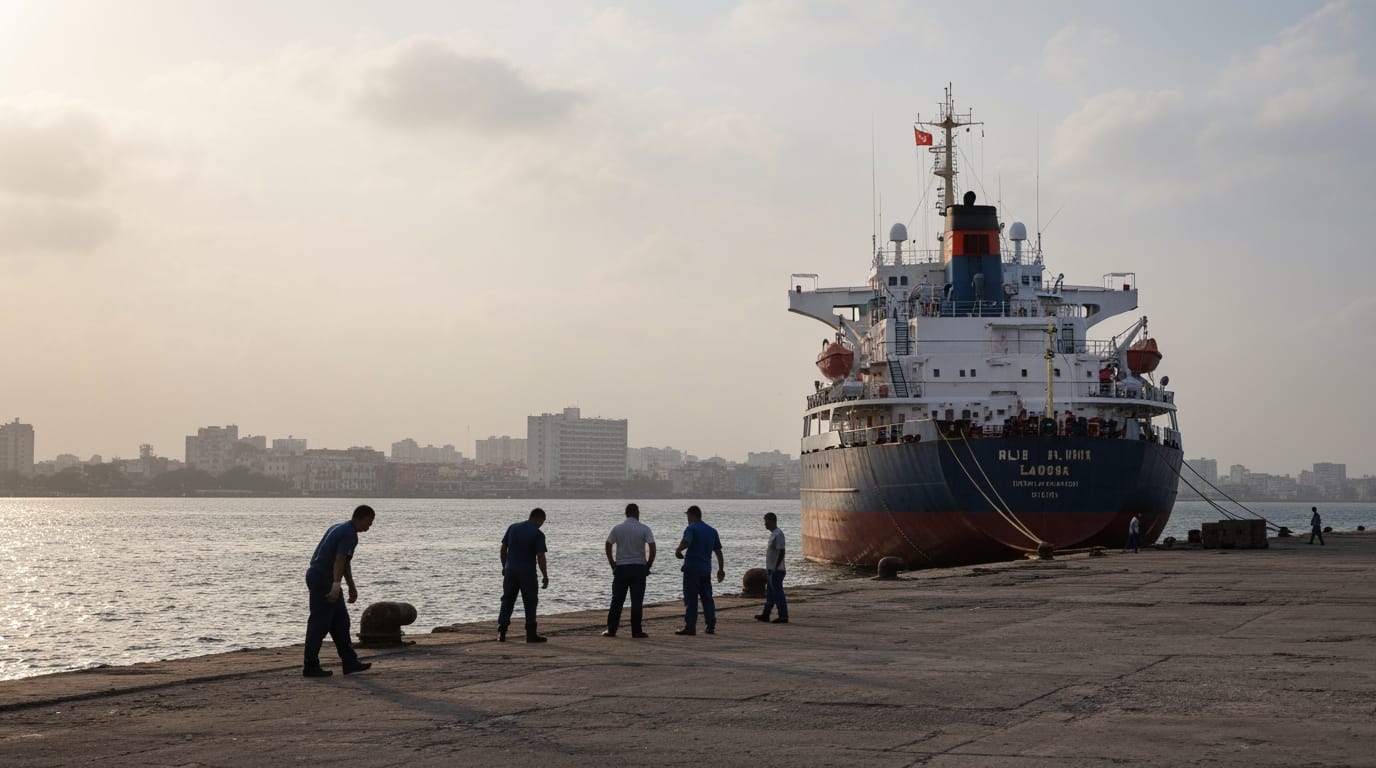
MATANZAS, Cuba – After months of acute energy shortages and widespread blackouts, a Russian oil tanker docked in Cuba on Tuesday, delivering a crucial shipment of crude that momentarily eases the island nation's deepening humanitarian crisis. The arrival of the Anatoly Kolodkin, laden with 730,000 barrels of oil, marks the first such delivery in three months, occurring under a peculiar exception to the stringent U.S. energy blockade that has severely crippled Cuba's economy. The development underscores the dire straits facing the Cuban populace and highlights the complex geopolitical maneuvering between Washington, Moscow, and Havana.
The tanker's arrival at the port of Matanzas was met with a mix of relief and cautious optimism from Cuban officials and citizens alike. Energy and Mines Minister Vicente de la O Levy expressed gratitude to Russia, calling the shipment "valuable" amidst the "complex energy situation." Deputy Foreign Minister Carlos Fernández de Cossío characterized the event as a stark reminder of the "brutal siege Cubans endure with heroism and stoicism," and a "demonstration of the criminal cruelty of imperialism against a nation that refuses to be dominated." Fishermen and residents watching the vessel dock voiced their hopes that the oil would alleviate the relentless power outages and fuel rationing that have become a part of daily life. This delivery offers a short-term lifeline, with experts estimating the crude could produce roughly 180,000 barrels of diesel, enough to cover Cuba's daily demand for less than two weeks.
Cuba's Descent into Darkness: A Mounting Humanitarian Crisis
For months, Cuba has grappled with an escalating energy crisis, plunging its 10 million inhabitants into a severe humanitarian situation. The island's aging electrical grid, largely reliant on Soviet-era technology and imported oil, has proven increasingly vulnerable. Blackouts have become a daily occurrence, often lasting for hours, and the national electric system suffered a "total disconnection" on March 16, 2026, leaving the entire country without power. This widespread disruption has forced hospitals to suspend operations, schools and businesses to close, and has severely impacted transport, food supplies, and even water pumps, which depend on diesel. The energy crunch has also fueled soaring inflation and a rapidly devaluing Cuban peso.
Cuba produces barely 40% of its required fuel, making it heavily dependent on imports to sustain its energy grid. Historically, Venezuela had been Cuba's primary oil supplier, providing up to 70,000 barrels of crude per day. However, those shipments were abruptly halted in early January following a U.S. operation that led to the ousting of Venezuelan President Nicolás Maduro and the subsequent U.S. claim over Venezuela's oil reserves. In the wake of this, U.S. President Donald Trump declared that no Venezuelan oil would go to Cuba and threatened tariffs on any country that sold or provided oil to the island, leading Mexico to also suspend its oil shipments. This aggressive stance intensified the existing economic strain, pushing Cuba to the brink.
The Enduring Shadow of the U.S. Embargo
The current crisis is exacerbated by the long-standing U.S. embargo against Cuba, a comprehensive set of economic, commercial, and financial sanctions that dates back to the late 1950s and early 1960s. Initially an arms embargo in 1958, it was expanded in 1960 to target energy and agricultural sectors following nationalizations by the Cuban government. President John F. Kennedy formalized a near-total trade embargo in 1962, explicitly aiming to "isolate the Cuban government economically and deprive it of U.S. dollars." Over the decades, the severity and scope of these sanctions have varied, with successive U.S. administrations applying different levels of pressure.
The Trump administration has notably intensified restrictions against Cuba. Beyond cutting off Venezuelan oil and threatening other suppliers, the U.S. tightened restrictions on remittances and access to the U.S. financial system, and redesignated Cuba as a state sponsor of terrorism. These measures, critics argue, have disproportionately impacted the Cuban civilian population rather than achieving their stated goal of political change. The effective energy blockade imposed since January 2026 was seen by many as the most severe pressure since the Cuban Missile Crisis, with the U.S. explicitly seeking "regime change on the island by the end of 2026."
Russia's Timely Intervention and Geopolitical Implications
The arrival of the Anatoly Kolodkin represents not only a critical delivery for Cuba but also a significant moment in international relations. The sanctioned Russian tanker was permitted to dock after President Trump indicated he had "no problem" with countries, including Russia, sending oil to Cuba. Speaking aboard Air Force One, Trump stated, "We don't mind having somebody get a boatload because they need… they have to survive." However, the White House Press Secretary, Karoline Leavitt, clarified that this decision was made "on a case-by-case basis for humanitarian reasons" and did not represent a "firm change" in U.S. sanctions policy.
For its part, Russia described the oil shipment as "humanitarian aid" and stated it considers it a duty to assist its Cuban allies. Kremlin spokesperson Dmitry Peskov confirmed that Moscow had discussed the issue with American partners in advance, suggesting a tacit understanding or negotiation led to the tanker's unhindered passage. This reflects a historical pattern, as Russia (and the Soviet Union before it) has long been a key economic and political ally, and a principal fuel supplier to Cuba, a role it is now seemingly resuming amid the island's renewed isolation. The move demonstrates Russia's continued influence in the region and its willingness to support strategic partners, even in the face of U.S. pressure.
A Brief Reprieve, Persistent Challenges
While the arrival of the Russian tanker brings much-needed, albeit temporary, relief to Cuba, the underlying challenges persist. The shipment offers a short-term solution to a chronic energy deficit and a humanitarian crisis that has been years in the making. The U.S. embargo remains firmly in place, and the Trump administration's "case-by-case" allowance for oil deliveries does not signal a broader shift in policy.
Cuba faces a precarious future, balancing its dependence on external aid with the imperative to find sustainable solutions to its energy needs. The geopolitical chessboard continues to shift, with Russia reasserting its role as a key patron, and the U.S. maintaining its long-standing pressure. For the Cuban people, the sight of the Anatoly Kolodkin was a welcome, if fleeting, glimmer of hope in what remains a period of profound hardship and uncertainty. The world watches to see if this single act of aid will open a path to more consistent relief or merely underscore the enduring complexities of the island's struggle for stability.


