Wolf Attack in Hamburg Stuns Nation, Ignites Debate on Coexistence
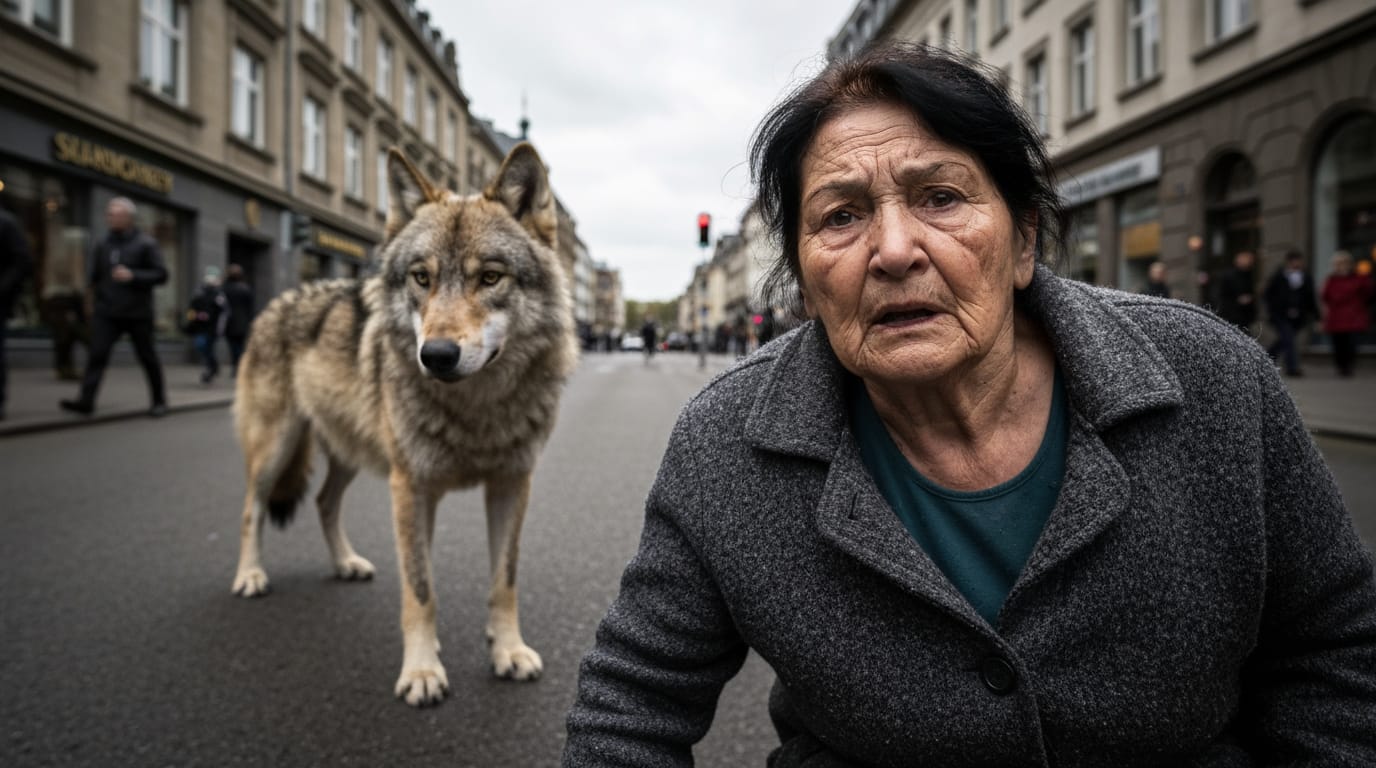
HAMBURG, GERMANY – A rare and unsettling incident in Hamburg's bustling Altona district on Monday evening has sent shockwaves across Germany, as a wolf attacked and injured a woman before being captured by police. The event, which occurred around 7:00 PM in a shopping area near Altona station, marks what is believed to be the first known wild wolf attack on a person in Germany since the species' return to the country nearly three decades ago. The unprecedented urban encounter has swiftly intensified the national conversation surrounding Germany's growing wolf population and the delicate balance of human-wildlife coexistence.
The Unforeseen Encounter in an Urban Landscape
The incident unfolded with alarming speed in a commercial zone, reportedly outside an Ikea store, catching both the victim and onlookers by surprise. The woman sustained injuries and was promptly transported to a Hamburg hospital for medical attention. While initial police reports did not detail the full extent of her injuries, some media outlets indicated facial wounds. The exact circumstances leading to the attack remain under investigation, but authorities were quick to respond to multiple calls regarding a wolf sighting in the area.
Hours later, late on Monday evening, police successfully located and apprehended the animal in the heart of Hamburg. The wolf, spotted swimming in the Inner Alster (Binnenalster) near the Jungfernstieg, was carefully pulled from the water using a noose by officers. Following its capture, the animal was transported away from the city center and handed over to environmental authorities, reportedly destined for an enclosure on the city's outskirts. The swift, coordinated response brought an end to a tense several hours for the city, but the implications of the encounter are just beginning to unfold.
A City Wolf: Disoriented Predator or Territory Seeker?
The presence of a wolf, a typically reclusive creature of the wilderness, in a dense urban environment like Hamburg is highly unusual and immediately sparked questions among wildlife experts. Officials believe the captured wolf is likely the same animal that had been sighted in Hamburg's Blankenese district over the preceding weekend. Experts theorize that the animal was a young wolf, possibly disoriented and searching for new territory, which accidentally wandered into the highly stressful urban environment.
Wolves are generally known for their shyness and their natural inclination to avoid human contact. Attacks on humans by healthy wild wolves are exceedingly rare globally and are typically attributed to specific circumstances such as rabies, provocation, or food conditioning. However, it is noted that young, inexperienced animals can sometimes display more curiosity towards humans. Hamburg's environmental authorities have confirmed wolf sightings in the region since 2013, with the frequency of these encounters increasing in recent years, particularly during the spring months of March to May. Prior to this incident, a wolf had been observed in the Duvenstedter Brook nature reserve in January, and another was tragically struck and killed by a vehicle on the Autobahn 25 in mid-March. These previous sightings, while concerning, did not involve direct human contact, making Monday's attack a significant escalation.
Germany's Returning Wolves and Mounting Tensions
The return of wolves to Germany has been a notable success story for conservation efforts, albeit one fraught with increasing challenges. After being hunted to extinction for over 150 years, the first wild wolf offspring was documented in East Germany in 2000, with animals migrating naturally from Poland. Since then, the wolf population has steadily grown, with the Federal Agency for Nature Conservation reporting approximately 1,200 wolves across 161 packs, 35 pairs, and 22 solitary individuals in 2021-22. These numbers continue to rise, and studies suggest Germany could potentially accommodate a much larger wolf population.
While many Germans initially welcomed the return of the wolf, acknowledging its ecological benefits, such as contributing to healthier deer and wild boar populations, the increasing numbers have also led to escalating conflicts. Livestock farmers, in particular, have expressed growing frustration over a rise in wolf attacks on their herds, leading to significant financial losses and emotional distress. These incidents have fueled a passionate and often emotional debate between agricultural communities, who advocate for more assertive wolf management, and conservationists, who emphasize the wolf's protected status and vital role in the ecosystem. The challenges of human-wildlife coexistence, especially in a densely populated country like Germany, are becoming increasingly apparent as the wolf reclaims its historical territory.
The Shifting Policy Landscape and an Intensified Debate
Under international agreements like the Bern Convention, wolves in Germany currently hold a "strictly protected" status. However, the growing concerns, especially from the agricultural sector, have prompted significant political movement towards revising these protections. There has been an ongoing, highly emotional debate in Germany concerning the future management of its wolf population.
Recently, Germany's lower house of parliament, the Bundestag, passed legislation that would, under certain conditions, permit the hunting of wolves. This proposed law would allow federal states to authorize wolf hunting between July and October in areas with particularly dense wolf populations and enable the culling of individual "problem wolves" that have repeatedly attacked livestock, irrespective of season or conservation status. This legislative shift aligns with recent amendments to European Union rules allowing exceptions to strict species protection measures and awaits final approval from the upper chamber, the Bundesrat. The government's backing of this legislation, which would downgrade the wolf's protection status from "strictly protected" to merely "protected," signals a clear intent to allow for more active population management.
Monday's incident in Hamburg, while isolated, is likely to inject new urgency and emotional weight into this already charged policy discussion. While experts emphasize the rarity of such an urban attack, the presence of a wild predator injuring a person in the heart of a major city will undoubtedly amplify calls for more robust wolf management strategies, even as conservationists stress the importance of understanding individual animal behavior and avoiding hasty generalizations about the entire species.
Conclusion: A Defining Moment for Coexistence
The wolf attack in Hamburg represents a critical juncture in Germany's evolving relationship with its returning apex predator. While the immediate focus remains on the well-being of the injured woman and the fate of the captured wolf, the incident's broader implications are undeniable. It starkly highlights the challenges of balancing biodiversity conservation with public safety and the economic realities faced by communities, particularly those in rural areas.
As Germany grapples with the complexities of managing a resurgent wolf population, this rare urban encounter will undoubtedly serve as a potent symbol in the ongoing debate. It forces a national introspection on how a modern, densely populated nation navigates the return of wilderness to its doorstep, and what compromises and adaptations will be necessary to foster a sustainable coexistence between humans and wildlife in the years to come.


