Rwanda Sues United Kingdom Over Scrapped Migrant Deal, Demanding Millions in Payments
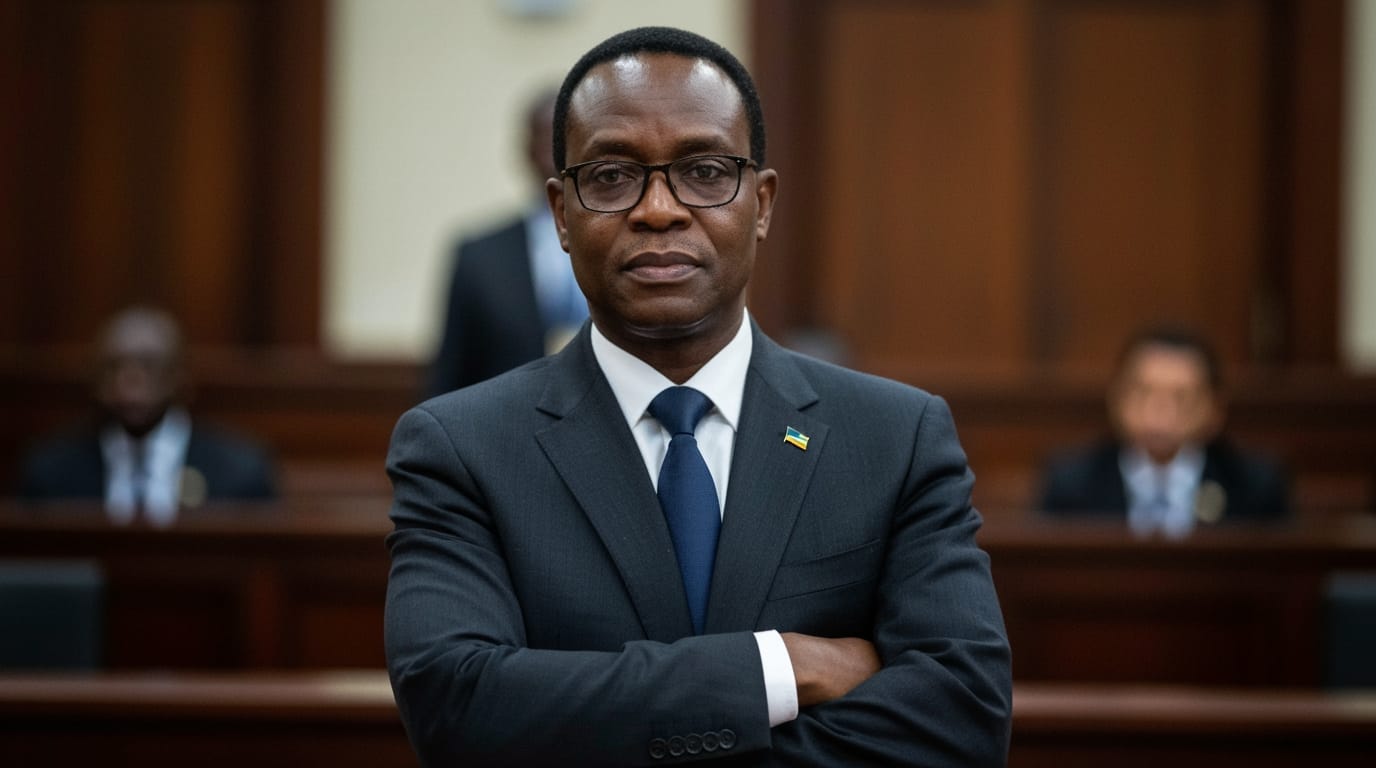
Kigali, Rwanda – The controversial asylum agreement between the United Kingdom and Rwanda has escalated into a full-blown legal dispute, with Rwanda initiating arbitration proceedings against the UK government over outstanding payments. The East African nation has filed a case with the Netherlands-based Permanent Court of Arbitration, seeking compensation following the Labour government’s decision to abandon the contentious migrant relocation scheme. This legal action marks a significant new chapter in a partnership that has been plagued by legal challenges, ethical questions, and considerable financial outlay.
The dispute centers on financial commitments made by the UK under the "Migration and Economic Development Partnership," a policy designed by the former Conservative government to send asylum seekers arriving in the UK via unauthorized routes to Rwanda for processing and resettlement. While the UK Home Office has stated that £220 million in "scheduled future payments will not have to be paid" to Rwanda, Kigali is reportedly seeking £50 million in compensation, arguing that the UK failed to formally terminate the agreement two years ago. The Rwandan Ministry of Foreign Affairs has indicated that the arbitration "concerns the performance of specific commitments under the treaty," underscoring Rwanda's position that the UK has not honored its contractual obligations.
The Genesis of a Controversial Partnership
The UK-Rwanda migrant deal was first announced in April 2022 by then-Prime Minister Boris Johnson's Conservative government. The stated aim was to deter illegal immigration, particularly those crossing the English Channel in small boats, by creating an offshore processing and resettlement system in Rwanda. Under the terms of the agreement, asylum seekers whose claims were not considered by the UK would be transferred to Rwanda, where their applications would be processed. If successful, they would be granted asylum in Rwanda, not the UK, and would not be permitted to return to British soil. In return, the UK pledged significant financial support to Rwanda, including development funding and payments for each relocated individual.
From its inception, the partnership drew widespread condemnation from human rights organizations, the United Nations Refugee Agency (UNHCR), and opposition parties, who raised concerns about its legality, ethics, and the safety of transferring vulnerable individuals to a country with its own human rights record. Despite the criticism, the Conservative government pressed ahead, viewing the policy as a crucial component of its broader strategy to "take back control" of the UK's borders post-Brexit.
A Labyrinth of Legal Battles
The path to implementation for the Rwanda deal was consistently obstructed by a series of legal challenges within the UK judicial system. The first planned flight to Rwanda in June 2022 was halted at the last minute by an interim measure from the European Court of Human Rights. This set a precedent for further legal scrutiny. In November 2023, the UK Supreme Court delivered a unanimous and decisive blow to the policy, ruling that the arrangements were unlawful. The court found that Rwanda was not a safe country to which asylum seekers could be removed, citing a "real risk" that individuals sent there could be returned to their countries of origin, where they might face persecution, a practice known as refoulement.
In response to this judicial setback, the Conservative government, then under Prime Minister Rishi Sunak, sought to circumvent the Supreme Court's ruling. This involved negotiating a new, legally binding treaty with Rwanda, which was signed in December 2023, and introducing emergency legislation known as the "Safety of Rwanda (Asylum and Immigration) Act 2024." This Act controversially declared Rwanda to be a safe country in UK law, aiming to prevent further legal challenges to individual deportations. However, by the time the Safety of Rwanda Act received Royal Assent in April 2024, the political landscape in the UK was shifting dramatically.
The Deal's Demise and Financial Fallout
The change in government following the 2024 general election brought an immediate end to the UK's pursuit of the Rwanda policy. The Labour Party, led by Sir Keir Starmer, had consistently opposed the scheme, branding it "wasteful" and "unworkable." Upon taking office in July 2024, Prime Minister Starmer officially scrapped the deal, declaring it "dead and buried."
The financial implications of the abandoned scheme are substantial. Before its cancellation, London had already disbursed an estimated £240 million (€276 million) to Kigali. A further payment of £50 million was reportedly due in April. The total cost of the scheme to British taxpayers has been estimated at £700 million, yet only four individuals were ever voluntarily relocated to Rwanda under a separate program, with no forced deportations occurring. This stark contrast between the cost and the number of individuals transferred has fueled criticism from the current UK government, with a spokesman for the Prime Minister stating the scheme was a "complete disaster" that "wasted £700m of taxpayer cash."
Rwanda, however, views the situation differently. Michael Butera, Chief Technical Advisor to the Rwandan Minister of Justice, stated that Kigali sought diplomatic engagement before resorting to legal action, but was left with "no other choice" given the UK's "intransigence" on these issues. This suggests Rwanda perceives a breach of contract and an unwillingness from the UK to fulfill its financial commitments or formally conclude the agreement. The initiated arbitration proceedings aim to recover the funds Rwanda believes it is owed under the terms of the now-defunct partnership.
An Unsettled Legacy
The legal battle at the Permanent Court of Arbitration is set to bring further international scrutiny to the controversial UK-Rwanda migrant deal. For the UK, the arbitration represents another financial and reputational challenge stemming from a policy that never fully materialized. The current government has vowed to "robustly defend our position to protect British taxpayers" against Rwanda's claim. For Rwanda, the lawsuit is an assertion of its perceived rights under an agreement it entered into, highlighting the complexities and potential liabilities inherent in such international partnerships.
The unfolding arbitration will not only determine the financial liabilities between the two nations but also contribute to the ongoing debate surrounding offshore asylum processing, international obligations towards refugees, and the enforceability of agreements struck between sovereign states amidst shifting political tides and legal interpretations. The saga of the UK-Rwanda migrant deal, now playing out in an international court, underscores the profound challenges and controversies inherent in contemporary migration policies.


