Sarkozy Stripped of Legion of Honor After Corruption Conviction
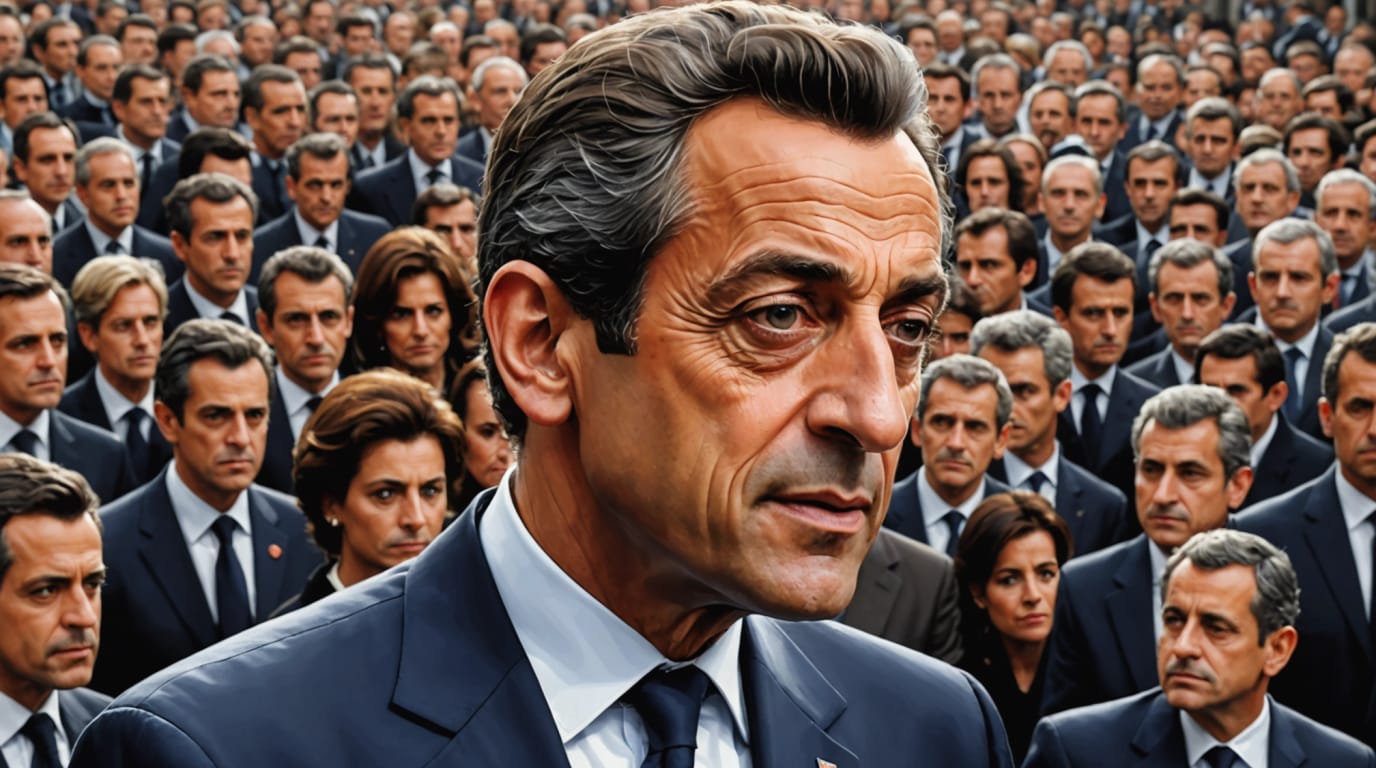
Former French President Nicolas Sarkozy has been stripped of his Legion of Honor, France's highest distinction, marking another significant blow to the politician already embroiled in multiple legal battles. The revocation, announced in a decree published Sunday, follows Sarkozy's conviction last year for corruption and influence peddling, adding to a series of legal setbacks since leaving office in 2012.
A Symbol Tarnished
The Legion of Honor, established by Napoleon Bonaparte in 1802, recognizes outstanding service to France, both military and civil. It is awarded to French citizens and foreign nationals alike for exceptional achievements. The order comprises five classes: Knight, Officer, Commander, Grand Officer, and Grand Cross. Sarkozy's removal from the prestigious order underscores the severity of his legal transgressions and the stain they have left on his legacy.
Sarkozy is only the second former French head of state to be stripped of the award. Philippe Petain, the leader of Vichy France during World War II, was stripped of the honor after being convicted of treason for collaborating with Nazi Germany. Other notable figures who have had the Legion of Honor revoked include cyclist Lance Armstrong and movie producer Harvey Weinstein.
Legal Woes Mount
Sarkozy's legal troubles began shortly after his defeat in the 2012 presidential election. In 2021, a Paris court found him guilty of corruption and influence peddling, a verdict that was upheld by an appeals court in 2023 and by France's highest court, the Court of Cassation, in December 2024. The charges stemmed from Sarkozy's attempts to obtain confidential information about a legal case in exchange for favors to a judge. As a result, Sarkozy was sentenced to a year of house arrest with an electronic monitoring bracelet, a first for a former French president. He wore the tag until last month.
In addition to the corruption conviction, Sarkozy faces ongoing legal proceedings related to the alleged illegal financing of his 2007 presidential campaign by the late Libyan leader Muammar Gaddafi. Sarkozy is accused of accepting millions of euros in illicit funds, a charge he vehemently denies. The trial, which began earlier this year, is expected to conclude in September, with prosecutors seeking a seven-year prison sentence.
He is charged with passive corruption, illegal campaign financing, embezzlement of Libyan public funds and criminal association. Investigators examined claims that Gadhafi's government secretly gave Sarkozy 50 million euros ($52.3 million) for his winning 2007 campaign. The sum would be more than double the legal campaign funding limit at the time and would violate French rules against foreign campaign financing.
Macron's Initial Hesitation
Despite the Legion of Honor's code stating that "any person sentenced for a crime or to a definitive prison term of at least one year is excluded," President Emmanuel Macron had initially refrained from revoking Sarkozy's honor. Macron argued in April that former presidents should be respected, even those facing legal challenges. However, the recent decree signals a shift in Macron's stance, possibly influenced by the upholding of Sarkozy's conviction by the Court of Cassation and mounting public pressure.
Sarkozy's Defense and Future Prospects
Sarkozy's legal team has consistently maintained his innocence, denouncing the charges as politically motivated. His lawyer, Patrice Spinosi, stated that Sarkozy has "taken note" of the decision to strip him of the Legion of Honor but emphasized that an appeal has been lodged with the European Court of Human Rights (ECHR). Spinosi argued that a ruling in Sarkozy's favor by the ECHR would necessitate a review of his criminal conviction and subsequent exclusion from the Legion of Honor.
Despite his legal woes, Sarkozy remains an influential figure within the French right-wing political landscape. He continues to socialize with President Macron and other prominent political figures. However, a conviction in the ongoing Libya financing case could severely curtail his influence and potentially lead to a prison sentence and a ban from holding public office.
Public Opinion and Political Implications
Public opinion regarding Sarkozy remains divided. While he maintains a base of support within the conservative electorate, many view him unfavorably due to the numerous corruption allegations and legal battles that have plagued his post-presidency. His actions have been described as ideologically schizophrenic, and his decisions seem to contradict each other.
The stripping of Sarkozy's Legion of Honor is likely to further polarize public opinion and could have implications for the upcoming political landscape. The right-wing may see this as a political attack, while others may view it as a necessary step to uphold the integrity of the French Republic.
A Fall From Grace
Nicolas Sarkozy's career has been marked by both triumph and controversy. Elected president in 2007, he initially enjoyed high approval ratings and was seen as a dynamic reformer. However, his popularity waned amid economic challenges and criticisms of his personal lifestyle. Since leaving office, Sarkozy has faced a barrage of legal investigations and trials, culminating in his recent conviction and the revocation of his Legion of Honor.
The stripping of the Legion of Honor serves as a stark reminder that no one is above the law, regardless of their past achievements or political stature. It also underscores the importance of accountability and transparency in public service. As Sarkozy continues to fight his legal battles, his legacy as a former president remains tarnished by the shadow of corruption and scandal.


