Scrutiny at Davos: Fact-Checking Donald Trump's World Economic Forum Speeches
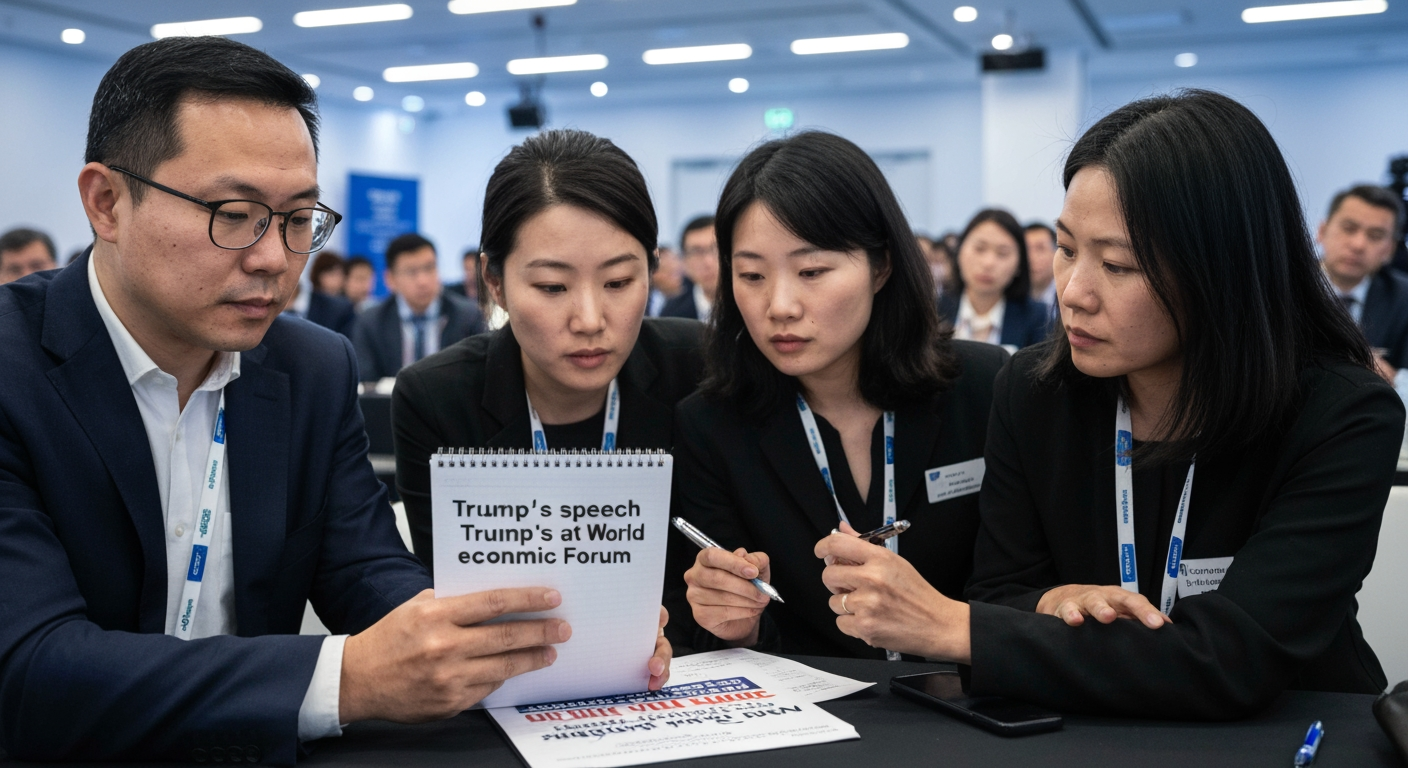
DAVOS, Switzerland – In recent addresses to the World Economic Forum (WEF) in Davos, former President Donald Trump has consistently drawn attention for a series of statements that have subsequently undergone rigorous fact-checking. His appearances at the exclusive gathering of global leaders and business magnates have served as platforms for reiterating familiar claims and introducing new assertions, many of which have been challenged by independent analyses. This pattern of making bold declarations, particularly concerning national elections, international relations, and economic performance, underscores a persistent gap between his rhetoric and verifiable facts, according to various fact-checking organizations.
Recurrent Claims on Election Integrity
A prominent theme in Donald Trump's recent addresses at the World Economic Forum has been the unsubstantiated assertion that the 2020 U.S. presidential election was "rigged" or "stolen." This claim, which formed a significant part of his remarks, has been widely debunked by numerous investigations and legal processes. Fact-checkers highlight that there is no evidence to support the notion of a rigged 2020 election. Following the election, both federal and state-level Republican investigations found no evidence of widespread voter fraud, directly contradicting Trump's statements. His former lawyer, Rudy Giuliani, also propagated baseless claims that Dominion Voting Systems manipulated results, leading to a defamation lawsuit and Giuliani's disbarment in New York and Washington, D.C. for repeating these false statements. This assertion, despite its repeated refutation, continued to feature in his discussions on global stages, including Davos.
Foreign Policy and Geographic Distortions
Beyond domestic politics, Trump's speeches have frequently ventured into foreign policy and geography, where several claims have also faced close scrutiny. One notable instance involved his discussion of Greenland, a semi-autonomous Danish territory. During a speech, Trump reportedly confused Greenland with Iceland multiple times, referring to the Arctic territory as "Iceland" on at least four occasions while belittling it as a "piece of ice". He reiterated his desire to acquire Greenland, stating he would not use force but suggested economic leverage, telling world leaders they could say "yes, and we will be very appreciative, or you can say no and we will remember".
Further historical inaccuracies emerged regarding Greenland's status during and after World War II. Trump claimed that the U.S. "gave Greenland back to Denmark" after the war, questioning the wisdom of such a decision and labeling Denmark "ungrateful". However, fact-checkers clarify that Greenland was never a U.S. possession to be "given back". While the U.S. did establish military facilities there during WWII when Denmark was occupied by Nazi Germany, it did not acquire sovereignty over the territory. Trump's more accurate statement that the U.S. "saved Greenland and successfully prevented our enemies from gaining a foothold in our hemisphere" during the war is contrasted with his incorrect historical interpretation of its post-war return.
Additionally, Trump has claimed credit for ending "eight wars" during his time in office, including peace brokering between India and Pakistan. However, these claims have been described as unsubstantiated or exaggerated, with many conflicts remaining unresolved or only partially cooled. His statements on NATO funding have also been flagged for inaccuracy, with NATO figures showing the United States paying roughly 16% of the budget in 2025, and 31 out of 32 NATO members contributing 2% of their GDP to NATO in the same year, contrary to his broader claims of disproportionate U.S. burden. Denmark, for instance, in 2019 pledged to invest around $200 million in strengthening Greenland's defenses, though reports indicated only about 1% of that amount had been spent by 2024.
Economic Assertions and Energy Policy
Economic performance and energy policy have also been fertile ground for fact-checked claims. Trump presented a largely optimistic view of the U.S. economy, asserting that "inflation has been defeated" and predicting "extraordinarily high economic growth". He stated that "grocery prices, energy prices, airfares, mortgage rates, rent and car payments are all coming down, and they're coming down fast". However, the accuracy of these broad economic statements was mixed. While mortgage rates and airfares saw declines, and gasoline prices notably fell in late 2025, the picture for other categories was more nuanced. Grocery prices, for example, had risen at rates similar to the previous year, with many staples still showing price increases despite some items like eggs and dairy seeing reductions. Electricity costs also significantly increased, almost 7% higher than a year prior.
On energy, Trump made easily disprovable claims regarding wind farms. He asserted that "China makes almost all of the wind mills, and yet I haven't been able to find any wind farms in China," implying they do not utilize them domestically. This statement is contrary to facts, as China's installations of wind turbines in 2024 constituted 70% of the global total, and its cumulative wind power capacity was over 520 GW, accounting for nearly 50% of the worldwide installed capacity, according to the Global Wind Energy Council. He also claimed that Germany generates 22% less electricity than in 2017 and experiences 64% higher electricity prices, while the UK produces one-third of its 1999 energy output. Fact-checks revealed that Germany's electricity generation did decrease by 25% from 2017 to 2025, and prices increased by 35%, not 64%. The UK's electricity generation in 2024 was 25% less than in 2000, not one-third of its 1999 total. Another claim, suggesting he "came up with" the idea of AI-related companies producing their own electricity, was dismissed as "pure fiction".
The Context and Impact of Davos Rhetoric
The World Economic Forum, established in 1971 by Klaus Schwab, is an international non-governmental organization and think tank renowned for its annual meeting in Davos, Switzerland. The forum brings together approximately 3,000 participants—including investors, business and political leaders, economists, and journalists—to discuss global issues across hundreds of sessions. The 2020 theme, "Stakeholders for a Cohesive and Sustainable World," aimed to promote stakeholder capitalism and address global challenges like climate change and sustainable development.
Against this backdrop, Trump's speeches, characterized by what some fact-checkers described as a "barrage of false claims," have presented a unique dynamic. His rhetoric at such a high-profile international event carries significant implications, as it influences perceptions of U.S. policy and global engagement among a powerful audience. The repeated nature of certain debunked claims, especially regarding election integrity, has been a consistent feature of his public speaking. While his remarks often aimed to project an image of American strength and economic prowess, the divergence between these assertions and independently verified data has been a recurring point of analysis by journalists and fact-checking organizations.
Conclusion
Donald Trump's addresses at the World Economic Forum in Davos have served as a critical lens through which to examine the factual accuracy of his public statements. From his persistent, unsupported claims about election rigging to his mischaracterizations of international geography, economic data, and energy policies, his speeches have consistently prompted corrections from fact-checkers. These analyses highlight a pattern of presenting information that often deviates from established facts, challenging the forum's traditional emphasis on data-driven discussions and underscoring the ongoing need for vigilant factual verification in global discourse.
Related Articles

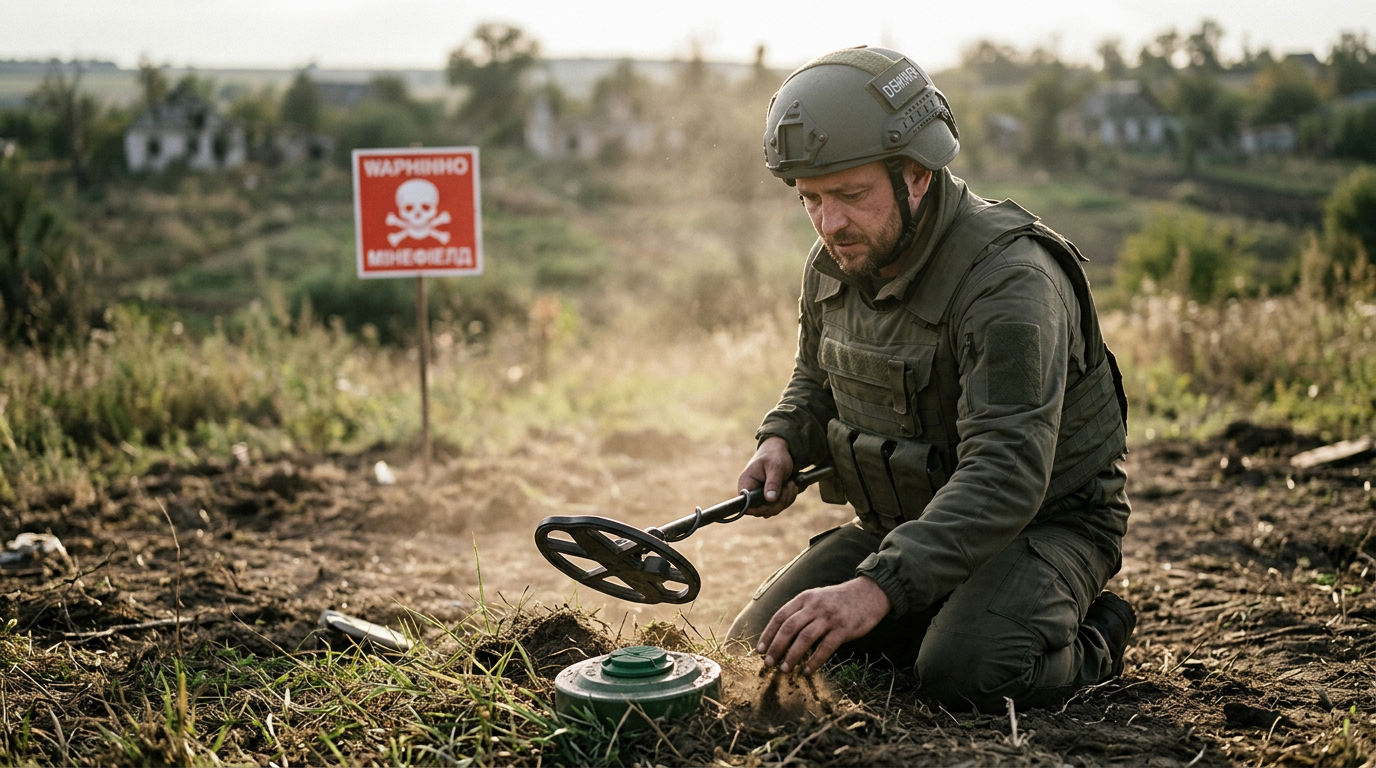
Landmines Resurge Globally, Shattering Two Decades of Progress
The global effort to eradicate antipersonnel landmines, once heralded as a monumental success in humanitarian disarmament, is facing a perilous reversal. Despite an international treaty banning these indiscriminate...

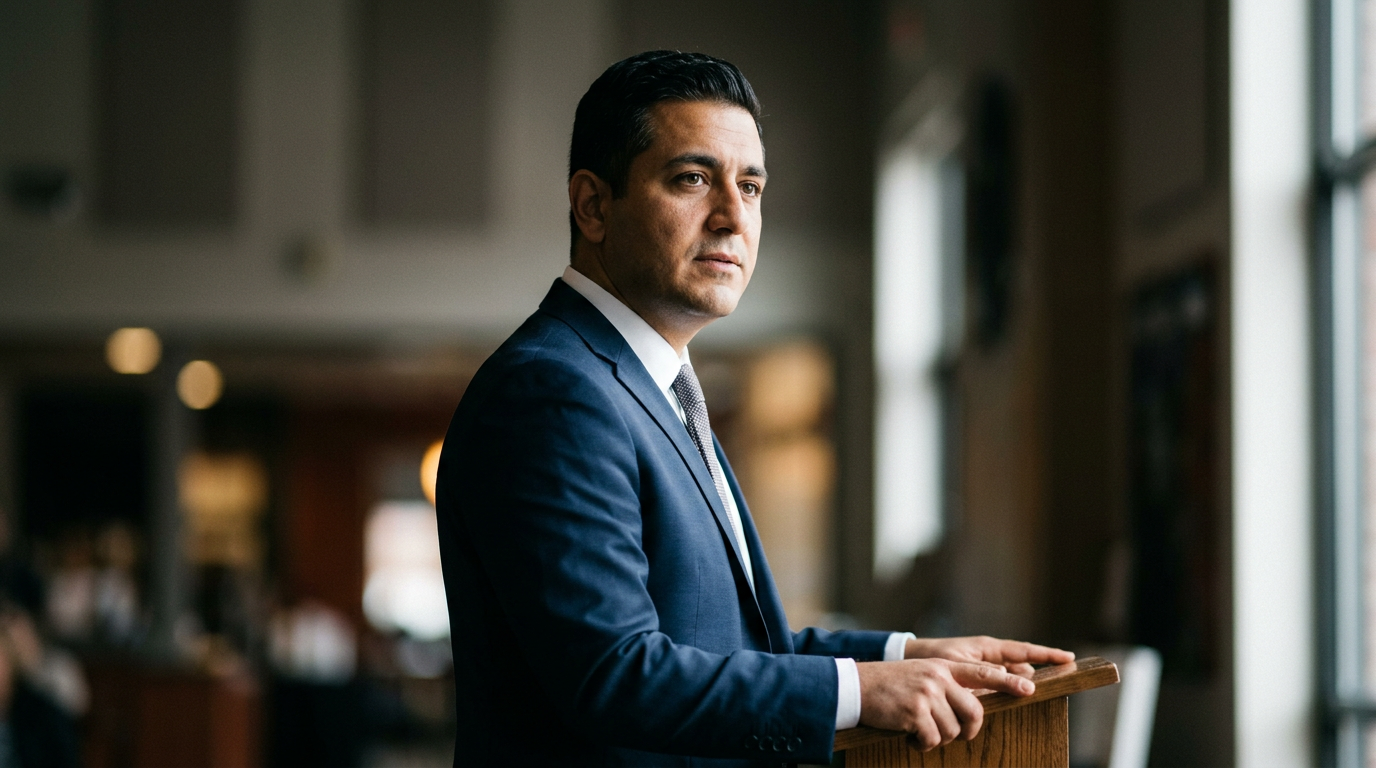
Disinformation Campaigns Cloud Michigan's Critical US Senate Race
LANSING, Mich. — The fiercely contested Democratic primary for the U.S. Senate in Michigan has become a battleground not just of policy and ideology, but of pervasive disinformation, with progressive candidate Abdul...