Sharp Rise in Islamophobic Incidents Grips Germany
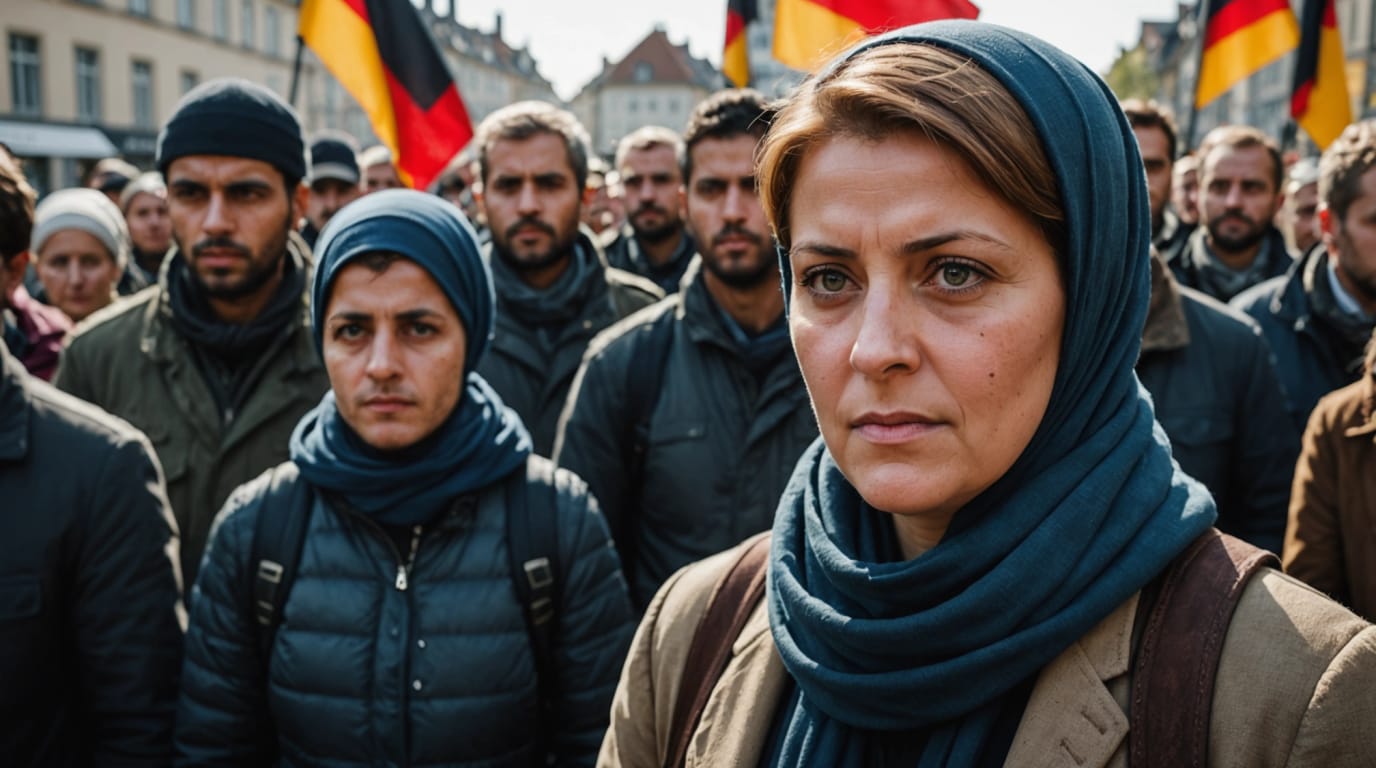
Germany is grappling with a surge in anti-Muslim incidents, raising concerns about the safety and inclusion of its Muslim population. Recent reports indicate a significant increase in hate crimes and discrimination targeting Muslims, highlighting a worrying trend of rising Islamophobia within the country. The surge has prompted calls for greater awareness, preventative measures, and more decisive action from authorities to address the issue.
Alarming Statistics Reveal a Troubling Trend
Data from leading rights groups reveals a disturbing escalation in anti-Muslim incidents across Germany. According to the Competence Network Islam- and Muslim-phobia (CLAIM), a network of non-governmental organizations monitoring Islamophobia and anti-Muslim hatred, there were 3,080 anti-Muslim incidents documented in 2024. This represents a dramatic 60% increase from the 1,926 cases reported in 2023, averaging more than eight cases per day throughout the year. The incidents range from verbal abuse and physical assaults to discrimination and attacks on religious institutions.
The rise in Islamophobic crimes recorded by the interior ministry also tallies with a survey showing that one in two Germans hold Islamophobic views.
Nature of the Attacks
The incidents documented include hundreds of cases of verbal insults and threats targeting Muslims, 198 physical assaults, three of which were classified as attempted murder, 122 cases of property damage, four arsons, and 259 other offenses, including robbery and extortion. Mosques, Muslim-owned businesses, and even individuals in public spaces have become targets.
CLAIM experts have stated that anti-Muslim racism is not a marginal phenomenon, extending from the streets to classrooms, from waiting rooms to city halls, operating in government offices, in the housing market, and in comment sections, and is becoming more brutal.
Disproportionate Impact on Women and Children
Reports indicate that women are disproportionately targeted in these attacks, accounting for 71% of individual victims. Visibly Muslim women, in particular, face frequent racist violence. Children have also been subjected to both verbal and physical attacks, highlighting the pervasive nature of Islamophobia and its impact on vulnerable members of the community.
Factors Contributing to the Rise
Several factors are believed to be contributing to the rise in anti-Muslim sentiment in Germany. One significant factor is the escalation of the Israel-Palestine conflict, which has led to increased tensions and negative generalizations against Muslims in some segments of society. Similar spikes were observed following terrorist incidents in Germany, as public discourse often portrayed Muslims as security threats, fostering an environment of suspicion and discrimination.
The rise of the Alternative for Germany (AfD), a right-wing party known for its anti-Islam rhetoric, has also been cited as a contributing factor. The AfD's growing popularity has normalized anti-Muslim sentiment and emboldened individuals to express their prejudices openly.
Concerns About Underreporting and Lack of Institutional Response
Despite the alarming statistics, there are concerns that many anti-Muslim incidents go unreported due to victims' lack of confidence in institutions and fear of further discrimination. Experts believe that the actual figures are likely much higher than those officially reported.
Some critics also argue that authorities have been slow to recognize and address the issue of Islamophobia, particularly in comparison to their response to antisemitism. This perceived lack of attention has further eroded trust among Muslim communities and fueled concerns about their safety and security.
Government and Civil Society Initiatives
In response to the rising concerns, the German government has taken some steps to address Islamophobia. The government published its first-ever independent report on Islamophobia by experts it commissioned, with a series of recommendations for tackling discrimination. Family Minister Lisa Paus has said the recent rise in both anti-Muslim and antisemitic incidents was dramatic and the government was trying to do prevention work from an early age by funding civil society projects working on the issue.
Civil society organizations and community groups are also playing a crucial role in raising awareness, providing support to victims, and advocating for policy changes. These organizations work to counter negative stereotypes, promote interfaith dialogue, and empower Muslim communities to assert their rights.
The Path Forward
Addressing the rise in Islamophobia in Germany requires a multi-faceted approach that involves government action, civil society engagement, and individual responsibility. Some potential strategies include:
- Strengthening legal protections: Ensuring that anti-Muslim hate crimes are properly investigated and prosecuted, and that victims have access to effective remedies.
- Promoting education and awareness: Implementing educational programs to counter negative stereotypes and promote understanding of Islam and Muslim cultures.
- Supporting community initiatives: Providing funding and resources to community-based organizations that work to combat Islamophobia and promote social cohesion.
- Addressing online hate speech: Taking steps to identify and remove online content that incites hatred and violence against Muslims.
- Fostering interfaith dialogue: Creating opportunities for people of different faiths to come together and build relationships based on mutual respect and understanding.
Germany, with its large and diverse Muslim population, faces a critical challenge in addressing the rise of Islamophobia. By taking decisive action to combat hate crimes, promote inclusion, and foster a culture of respect, Germany can ensure that all its residents, regardless of their faith, can live in safety and dignity.


