Silence Shattered: The Mounting Crisis of Noise Pollution for Canada's Narwhals
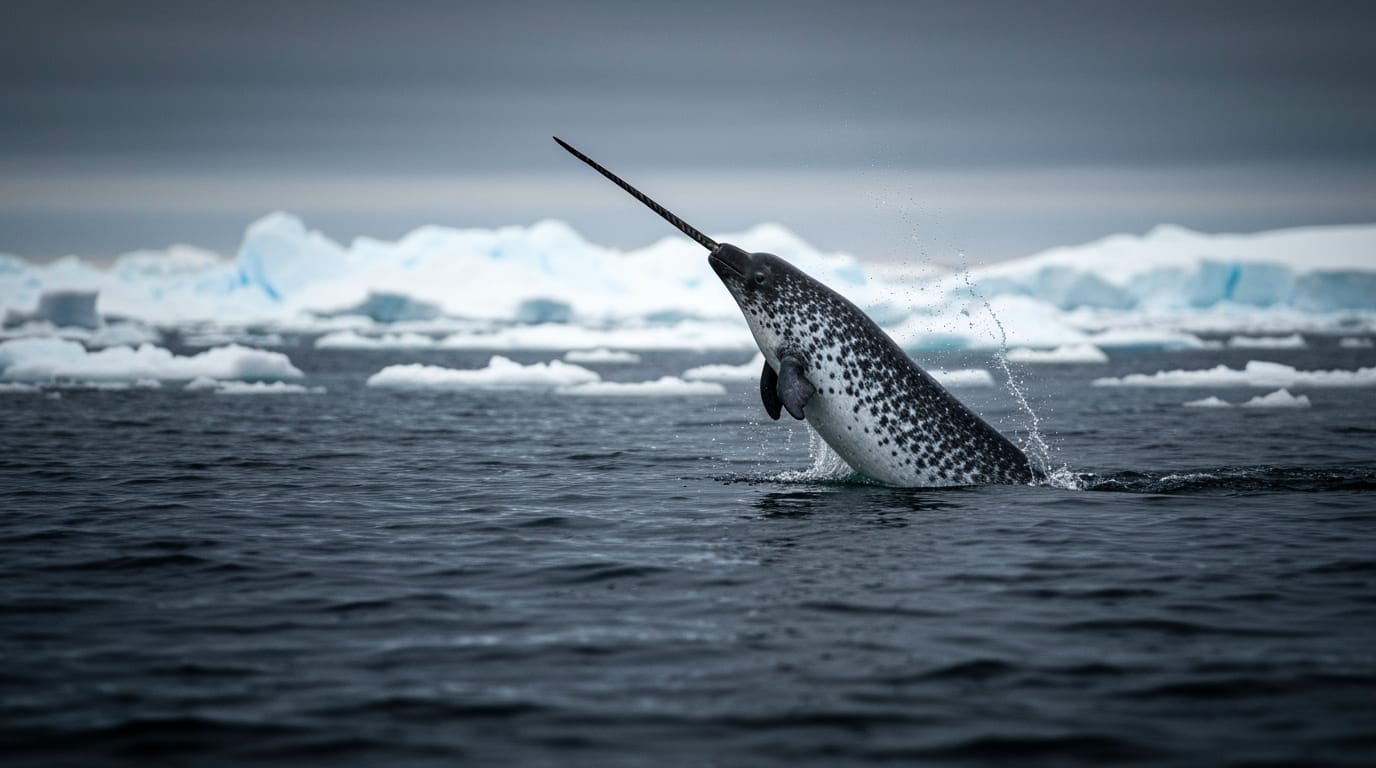
The Canadian Arctic, a realm once characterized by its profound silence beneath the ice, is undergoing a dramatic acoustic transformation, threatening the very survival of one of its most enigmatic inhabitants: the narwhal. Known as the "unicorns of the sea" for their distinctive tusks, these marine mammals rely almost entirely on sound for their existence. However, a growing symphony of human-generated noise from increasing shipping, resource exploration, and other industrial activities is disrupting their critical behaviors, raising alarm among scientists, conservationists, and Indigenous communities.
The narwhal, a species uniquely adapted to the dark, icy waters of the Arctic, navigates, communicates, hunts, and avoids predators through a sophisticated use of sound, primarily echolocation. Their auditory world, which has remained largely undisturbed for millennia, is now being overwhelmed by unfamiliar and intrusive human-made sounds. This escalating noise pollution is not merely an inconvenience; it is a profound threat, causing stress, disrupting essential activities, and potentially jeopardizing their long-term survival in a rapidly changing Arctic.
An Acoustic World Under Threat
Narwhals are recognized as one of the marine mammals most sensitive to underwater noise. Unlike many other species, narwhals cannot simply relocate to escape disturbance, making them particularly vulnerable to environmental shifts. Their survival hinges on their ability to perceive and interpret subtle acoustic cues in an environment where light penetrates only a few meters for much of the year. Research indicates that narwhals exhibit significant stress responses and behavioral changes even when noise levels are below the ocean's natural background sounds, and when noise sources are many kilometers away. This extreme sensitivity underscores the severity of the threat posed by the expanding human footprint in the Arctic.
The Accelerating Symphony of Human Activity
The primary drivers of this acoustic assault are directly linked to a warming climate. As Arctic sea ice rapidly diminishes, new shipping lanes open, making previously inaccessible regions navigable for longer periods. This has led to a surge in maritime traffic, including cargo vessels, fishing fleets, cruise ships, and oil and gas tankers. Beyond shipping, seismic surveys for oil and gas exploration, which involve powerful airgun blasts, constitute one of the loudest human-made sounds underwater. Other sources like icebreaking, sonar activities, and even overhead aircraft and snowmobiles further contribute to the escalating underwater din.
The Arctic's typically low ambient noise levels mean that human-generated sounds travel farther and stand out more prominently than in other ocean environments. Experts predict that if current trends continue without regulation, underwater noise from shipping alone could nearly quadruple by 2030, drastically reducing the "communication space" available to marine mammals.
Dire Consequences: Behavioral and Physiological Impacts
The intrusion of human noise forces narwhals into a cascade of detrimental behaviors and physiological responses. Studies have documented that narwhals display avoidance reactions, swimming away from noise sources and sometimes even towards shore, a behavior typically reserved for escaping predators like killer whales. They also increase their swimming speed to escape, burning precious energy reserves critical for the harsh Arctic winter.
Perhaps most alarmingly, noise pollution significantly impairs their ability to forage. Narwhals stop or reduce their echolocation "buzzing" — the rapid clicking sounds used to locate prey — when ships or seismic airguns are detectable. This can occur even when the noise source is dozens of kilometers away, leading to decreased foraging efficiency and a shift from deep, productive dives to shallower, less rewarding ones. Prolonged disruption of feeding can severely impact their body fat reserves, reproduction, and overall survival.
Physiologically, narwhals experience elevated stress hormone levels from chronic noise exposure. Research shows that during attempts to escape noise, their normal physiological responses are disrupted, including a paradoxical reduction in heart rate while undergoing intense exercise. This unusual reaction, which is energetically costly, can compromise their circulation and oxygen delivery, posing significant health challenges, especially if the disturbances are prolonged. Persistent noise can also lead to altered migration routes and the abandonment of critical feeding and calving grounds, forcing them into less optimal habitats.
Charting a Course for Quieter Seas
Recognizing the severity of this issue, conservation groups, scientists, and Indigenous communities are actively advocating for solutions. Efforts include implementing seasonal shipping restrictions during sensitive periods like calving and migration, promoting quiet ship technology through improved propeller design and hull maintenance, and establishing Marine Protected Areas (MPAs) where industrial activity is restricted. Slowing down vessels is also an effective strategy, as it not only reduces underwater noise but also decreases the risk of collisions.
The integration of Inuit traditional ecological knowledge is crucial, as Indigenous hunters and elders possess invaluable insights into narwhal behavior and habitat use, which can guide policy decisions. Organizations like the Mittimatalik Hunters and Trappers Organization (MHTO) and Oceans North are collaborating with the Association of Arctic Expedition Cruise Operators (AECO) to implement voluntary avoidance measures in critical narwhal habitats like Eclipse Sound. However, calls are growing for more robust, mandatory regulations from international bodies like the International Maritime Organization (IMO) and national governments, as current guidelines are often voluntary and not specifically tailored to the unique vulnerabilities of the Arctic.
The narwhal, a sentinel species for Arctic health, signals a deeper disruption within the ecosystem. Protecting these unique whales means safeguarding the delicate acoustic balance of the Arctic for all marine life, from fish to other cetaceans like belugas and bowheads, which are also sensitive to rising noise levels. Urgent, coordinated action to mitigate underwater noise is essential to provide narwhals the best chance to adapt to the myriad challenges they face in a rapidly warming world.