South Korea Forges Future Fund, Channeling Chip Boom into Next-Generation Growth
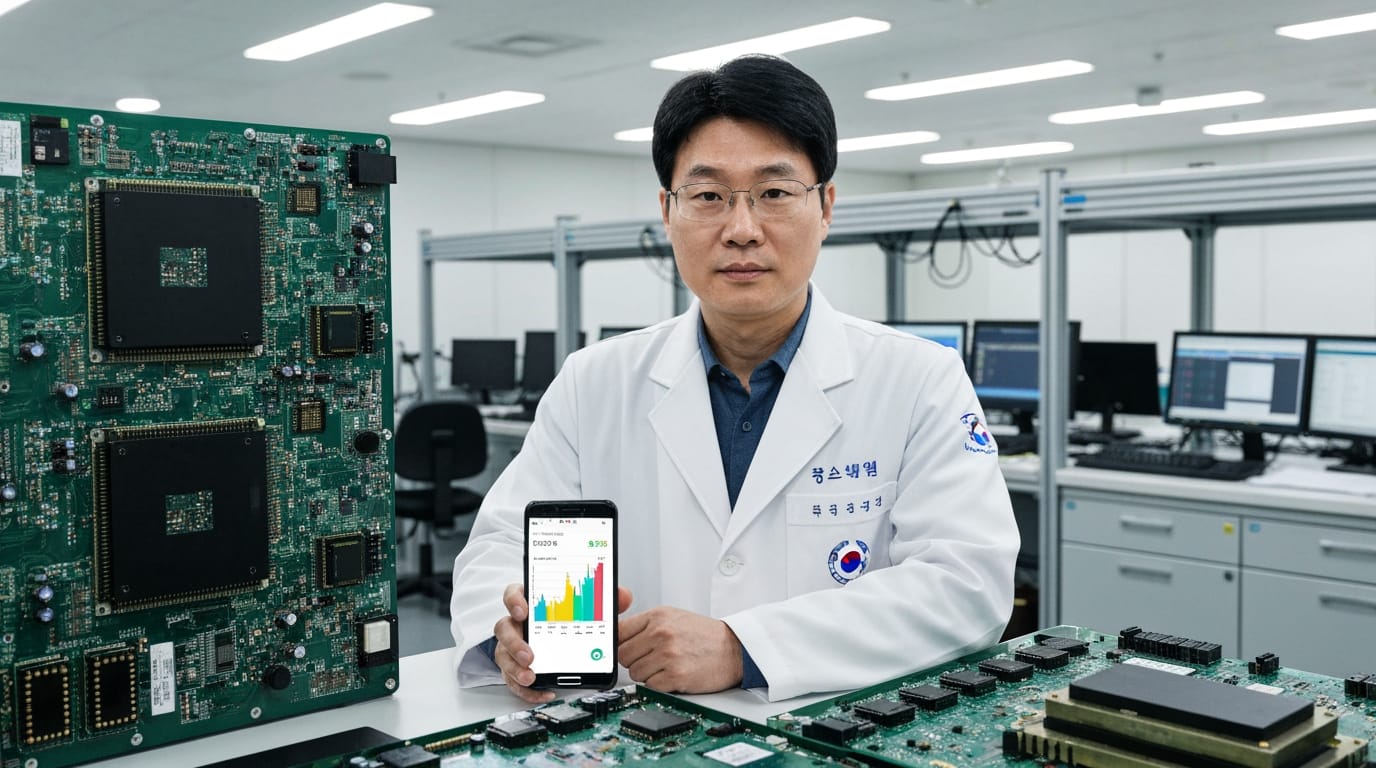
SEOUL, South Korea – Leveraging an unprecedented windfall from its booming semiconductor industry, South Korea's Lee Jae Myung administration has unveiled ambitious plans to establish a "Future Response Fund," an investment vehicle designed to propel the nation into a new era of technological leadership and long-term economic stability. With a potential valuation of up to 100 trillion won (approximately $70 billion), the fund aims to strategically channel excess tax revenues into critical growth engines, address widening economic disparities, and secure opportunities for younger generations, marking a pivotal shift towards sustained national prosperity.
A Vision for Enduring Prosperity
The "Future Response Fund" represents a proactive strategy to transform South Korea's current economic strengths into lasting advantages. Presidential Chief of Staff Kang Hoon-sik articulated the fund's core purpose: to utilize additional tax revenue generated by the semiconductor boom as investment resources for future generations. This initiative comes at a "critical juncture" for the nation, as Kang emphasized the importance of not squandering these significant tax revenues but rather deploying them strategically for future-oriented investments. The fund is envisioned as a foundational element in realizing President Lee's goal of an "irreplaceable Korea," bolstering the nation's global standing and ensuring its competitiveness for decades to come.
The Semiconductor Catalyst: Fueling National Ambition
At the heart of this bold financial endeavor is South Korea's formidable semiconductor industry, a sector that has consistently demonstrated global leadership and innovation. Companies such as Samsung Electronics and SK Hynix stand as titans in the chip manufacturing landscape, driving substantial economic output and, consequently, generating considerable tax revenues. The current "semiconductor boom" has created a fiscal surplus, which the government has opted to redirect into this forward-looking fund, rather than short-term consumption stimulus. This strategic decision underscores a commitment to solidify South Korea's core position in the global semiconductor supply chain while simultaneously diversifying its economic resilience against future structural risks. The additional tax revenue fueling the fund is anticipated to be fully collected by early 2027, setting the stage for its substantial deployment.
Strategic Investments for an AI-Driven Era
The Future Response Fund is earmarked to finance a series of "megaprojects" critical for South Korea's advancement in the artificial intelligence era. Central to these are three specific initiatives: strengthening the semiconductor ecosystem, developing advanced artificial intelligence (AI) data centers, and pioneering physical AI technologies. These projects are described as the "design of new growth engines" that will shape the nation's trajectory over the next two to three decades, representing a long-term strategy for securing competitiveness.
Beyond these core areas, the fund will also support other strategic industries, including biotechnology and aerospace. A key component of this investment strategy involves promoting growth and industrial expansion beyond the highly concentrated Seoul metropolitan area. Public-private investment blueprints have already outlined massive capital injections into various regions, with the southwestern Honam region slated for 896 trillion won ($585.6 billion) in investments led by industry giants like Samsung Electronics, SK hynix, and Amkor Technology Korea. Similarly, the central Chungcheong region is projected to receive 392 trillion won, and the southeastern Yeongnam region 312 trillion won, through projects involving major conglomerates including Samsung, SK, Celltrion, Hanwha, Hyundai Motor Group, Doosan, and LG. While the Future Response Fund itself totals 100 trillion won, it is designed to serve as a significant catalyst and investment resource within these much larger public-private partnership initiatives, helping to finance and drive these expansive national development projects.
Addressing Societal Challenges and Empowering Younger Generations
Beyond technological advancement, a crucial dimension of the Future Response Fund addresses pressing societal challenges within South Korea. The government explicitly aims to use the fund to respond to "K-shaped polarization" – a term describing widening economic inequality – and to provide comprehensive support for individuals in their 20s and 30s. This includes initiatives focused on housing, startup opportunities, and job creation, seeking to mitigate the long-term structural risks posed by an aging population and persistent economic disparities. By investing in these areas, the administration hopes to foster a more inclusive and equitable society, ensuring that the benefits of national economic success are broadly distributed across all demographics. Prime Minister Han Seong-sook (also referred to as Han Sung-sook) emphasized the necessity of government, the ruling party, and the private sector working as a "single team" to realize tangible results from these megaprojects, describing them as the backbone of the country's growth for the next three decades.
A Strategic Leap Forward
The establishment of South Korea's Future Response Fund marks a significant strategic pivot, transforming the current prosperity of the semiconductor industry into a robust foundation for future economic growth and social stability. By earmarking a substantial portion of its chip-driven tax windfall for long-term investments in AI, advanced manufacturing, and regional development, while simultaneously addressing social welfare and youth empowerment, the nation aims to fortify its global competitiveness and create an "irreplaceable Korea." This comprehensive approach underscores a profound commitment to strategic foresight, positioning South Korea to navigate the complexities of the 21st century economy with sustained innovation and resilience.


