South Korea Sets Snap Presidential Election for June 3 Following Impeachment
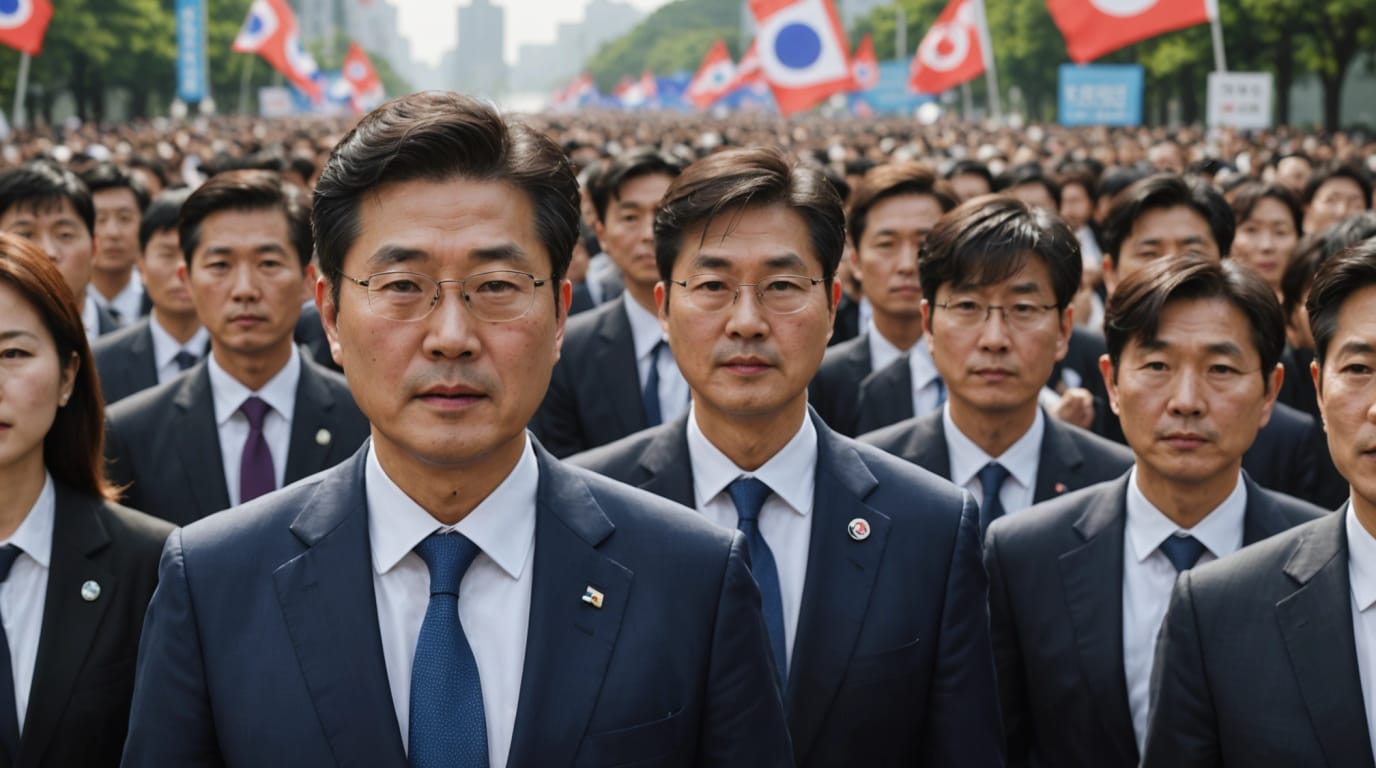
SEOUL — South Korea will hold a snap presidential election on June 3, setting the stage for a pivotal moment in the nation's political landscape after the impeachment and removal of President Yoon Suk Yeol. The election, mandated by law within 60 days of a president's removal, comes at a time of significant domestic turmoil and international uncertainty.
Impeachment and Aftermath
The Constitutional Court last week unanimously upheld the National Assembly's decision to impeach Yoon, who was elected to a five-year term in 2022. The impeachment stemmed from Yoon's controversial declaration of martial law in December, a move deemed by the court as an overreach of presidential authority. The declaration, intended to halt parliamentary proceedings, triggered widespread condemnation and ultimately led to his downfall.
Prime Minister Han Duck-soo, who had also faced impeachment but was later reinstated by the Constitutional Court, will continue to serve as acting president until the election. Han announced the election date Tuesday, citing the need for smooth election operations and sufficient preparation time for political parties.
Political Landscape
The upcoming election is expected to be a highly contested battle between the two major political forces in South Korea: the conservative People Power Party and the liberal Democratic Party. Yoon's removal has left the People Power Party in disarray, struggling to regain public trust and overcome internal divisions.
The Democratic Party, which holds a majority in the National Assembly, is considered to be in a stronger position. Lee Jae-myung, the party's populist leader who narrowly lost to Yoon in the 2022 election, is seen as the front-runner. However, Lee faces his own challenges, including multiple trials on charges of violating election law and bribery.
Several other potential candidates from both parties are expected to enter the race, making for a potentially crowded and unpredictable field. On the conservative side, potential candidates include Labour Minister Kim Moon-soo, former ruling party leader Han Dong-hoon, Daegu mayor Hong Joon-pyo, and Seoul mayor Oh Se-hoon.
Key Issues
The election is likely to focus on a range of critical issues facing South Korea, including economic growth, social inequality, and national security. The country's export-reliant economy has been facing headwinds from slowing global growth and rising trade tensions, particularly with the United States under President Donald Trump's administration.
The next president will also need to address deep-seated social issues, such as income inequality and youth unemployment. Furthermore, South Korea continues to face security threats from North Korea, requiring a strong and steady hand in foreign policy.
International Implications
The snap election has significant implications for South Korea's international relations, particularly with the United States and North Korea. The power vacuum in Seoul has complicated efforts to address trade disputes with the U.S. and to maintain a united front against North Korea's nuclear ambitions.
The election outcome could also influence the future of the U.S.-South Korea alliance, depending on the next president's approach to foreign policy and defense cooperation. A shift in South Korea's stance could have far-reaching consequences for regional stability and security.
Conclusion
The June 3 snap election marks a crucial turning point for South Korea. The country faces significant challenges, both at home and abroad, and the next president will need to provide strong leadership and a clear vision for the future. As the political parties gear up for a fierce campaign, the focus will be on which candidate can best address the nation's pressing issues and unite a divided populace. The outcome of this election will undoubtedly shape the trajectory of South Korea for years to come.


