Stepping Through Time: How Heritage Walks Are Reshaping History Education in India
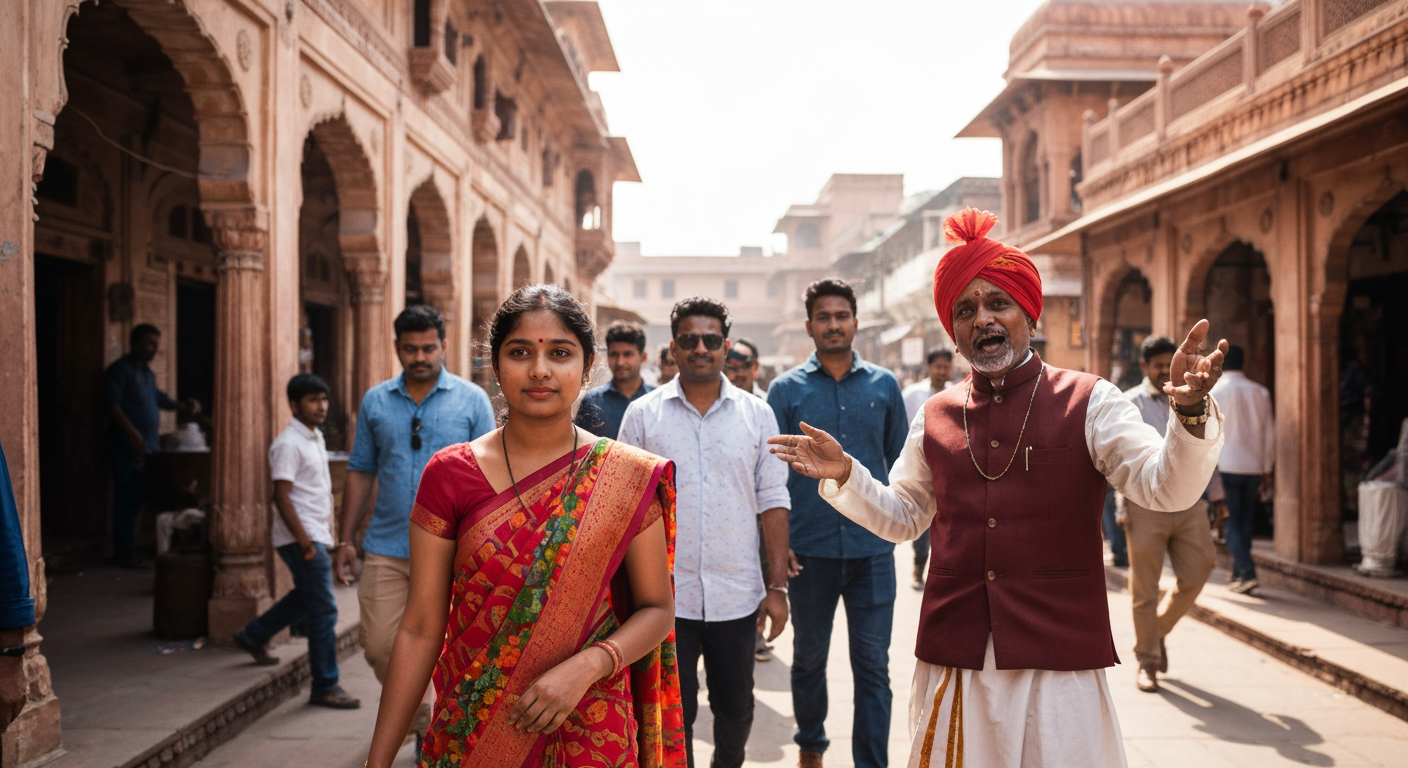
New Delhi, India – In a nation brimming with ancient monuments, bustling historic districts, and layered cultural narratives, a silent revolution is underway to transform how India’s rich past is understood and appreciated. Beyond the confines of textbooks and museum glass cases, "heritage walks" are emerging as a powerful, engaging, and increasingly popular tool to bring history to life, especially for younger generations. These immersive journeys offer a dynamic alternative to traditional learning, allowing participants to physically connect with the stories and structures that define India's vibrant heritage.
India, a land where history breathes in every corner, has long struggled with making its profound historical narrative engaging for all. However, heritage walks, essentially guided tours through historically significant areas, are changing this paradigm. They traverse the old parts of cities, focusing on built heritage and delving into historical, social, cultural, or political themes. These walks are being hailed as "time machines," capable of teleporting individuals into the past, fostering a deeper understanding and emotional connection to the places they inhabit. Organizations like India Heritage Walks (IHW), India City Walks, Curriculture, and Sahapedia are at the forefront of this movement, curating experiences that blend education with exploration.
The Experiential Learning Advantage
The core appeal of heritage walks lies in their experiential nature. Unlike passive learning, these walks offer hands-on immersion, allowing participants to observe, touch, and feel the remnants of history in their original context. This direct engagement cultivates a unique form of understanding that transcends rote memorization. For students, this translates into a heightened sense of curiosity and the development of critical thinking skills as they interpret historical contexts and architectural marvels firsthand. Curriculture, for instance, integrates learning stations with hands-on activities, demonstrations, and multimedia presentations to make history interactive and engaging for students, ensuring the walks align with school curricula. This approach helps to de-mystify historical narratives and create a personal connection to the past, instilling pride in India's cultural and historical legacy.
The impact extends beyond academic enrichment. Participants often develop emotional ties with the places they explore, reinforcing connections between the youth, their cities, and the broader concept of heritage. These walks promote cultural sensitivity by offering insights into diverse traditions, fostering respect and understanding for different cultures and communities. They also facilitate intergenerational learning, as elders can share their knowledge while younger participants gain new perspectives on their heritage. This creates a holistic learning experience that combines historical, cultural, and interactive elements, leading to a well-rounded understanding of history.
A Kaleidoscope of Indian History on Foot
Across India, heritage walks are unveiling the diverse tapestry of the nation's past. In Old Delhi, participants can embark on culinary and historical tours, savoring street food while exploring the Mughal-era bylanes, historical mansions, and bustling bazaars that once formed the heart of an empire. Jaipur, the "Pink City," offers walks through its UNESCO World Heritage sites, showcasing the Hawa Mahal, local artisans, and culinary delights. Varanasi, one of the world's oldest continuously inhabited cities, guides visitors through ancient temples, river ghats, and artisan workshops, offering a glimpse into its spiritual and cultural legacy.
Ahmedabad provides an excellent case study with its carefully curated routes. These include architectural marvels of the Old City, textile and trade heritage, explorations of Mahatma Gandhi's influential years at the Sabarmati Ashram, and even tours focusing on modernist architecture or the city's culinary and religious diversity. Mumbai boasts walks past iconic landmarks like the Gateway of India and the Victoria Terminus Railway Station, a UNESCO World Heritage Site, alongside explorations of the ancient Elephanta Caves. These thematic walks are designed to connect culturally significant sites, extracting the region's cultural heritage and providing enjoyable learning experiences.
Navigating Challenges and Ensuring Sustainability
While the benefits are clear, the proliferation of heritage walks also presents challenges that require careful consideration. A significant hurdle lies in balancing heritage conservation with potential commercialization. As these walks gain popularity, there is a risk of transforming historical sites into mere tourist attractions, potentially compromising their authenticity and cultural value. Overcrowding at popular sites can lead to wear and tear on structures and spaces, necessitating effective management of footfall and responsible visitor behavior to maintain the integrity of these invaluable locations.
Moreover, fostering consistent community engagement can be challenging, often due to a lack of awareness, resistance to change, or inadequate compensation for local contributions. The increased traffic also demands enhanced maintenance and preservation efforts to ensure the longevity of heritage sites. Ensuring authenticity and accurate interpretation of historical narratives remains paramount, requiring expert-led guidance and thorough research to deliver meaningful and factual experiences. Despite these challenges, heritage walks also present opportunities for economic empowerment, benefiting local artisans, vendors, and businesses along the routes, thus contributing to the socio-cultural fabric of the city.
A Future Woven with Footsteps
Ultimately, heritage walks represent more than just a tourist activity; they are a vital educational tool fostering a deeper connection between individuals and their heritage. By transforming historical sites into dynamic classrooms, these walks make learning history an interactive, engaging, and memorable experience. They are instrumental in raising awareness about the importance of monuments and encouraging communities to protect these sites for future generations. Through immersive storytelling and direct engagement, these guided explorations contribute to a broader understanding of India's past, present, and future, ensuring that the echoes of history continue to inspire and educate. As India continues to evolve, these purposeful journeys are vital in preserving cultural identity and fostering a sense of belonging in a rapidly changing world.
Related Articles


Mounting Frustration Grips Russia as Economic Hardship and War's Toll Deepen
Moscow, Russia – A palpable shift in public sentiment is emerging across Russia, with growing frustration among citizens fueled by a confluence of economic pressures, increasing internet restrictions, and the undeniable...


Germany's Strategic Calculus: Ukraine Aid is an Investment in European Security, Not Charity
Berlin – The ongoing provision of substantial aid to Ukraine by Germany and its allies is increasingly being framed not as an act of altruism, but as a crucial investment in European security and stability. This...