Strait of Hormuz: The World's Most Critical Oil Chokepoint
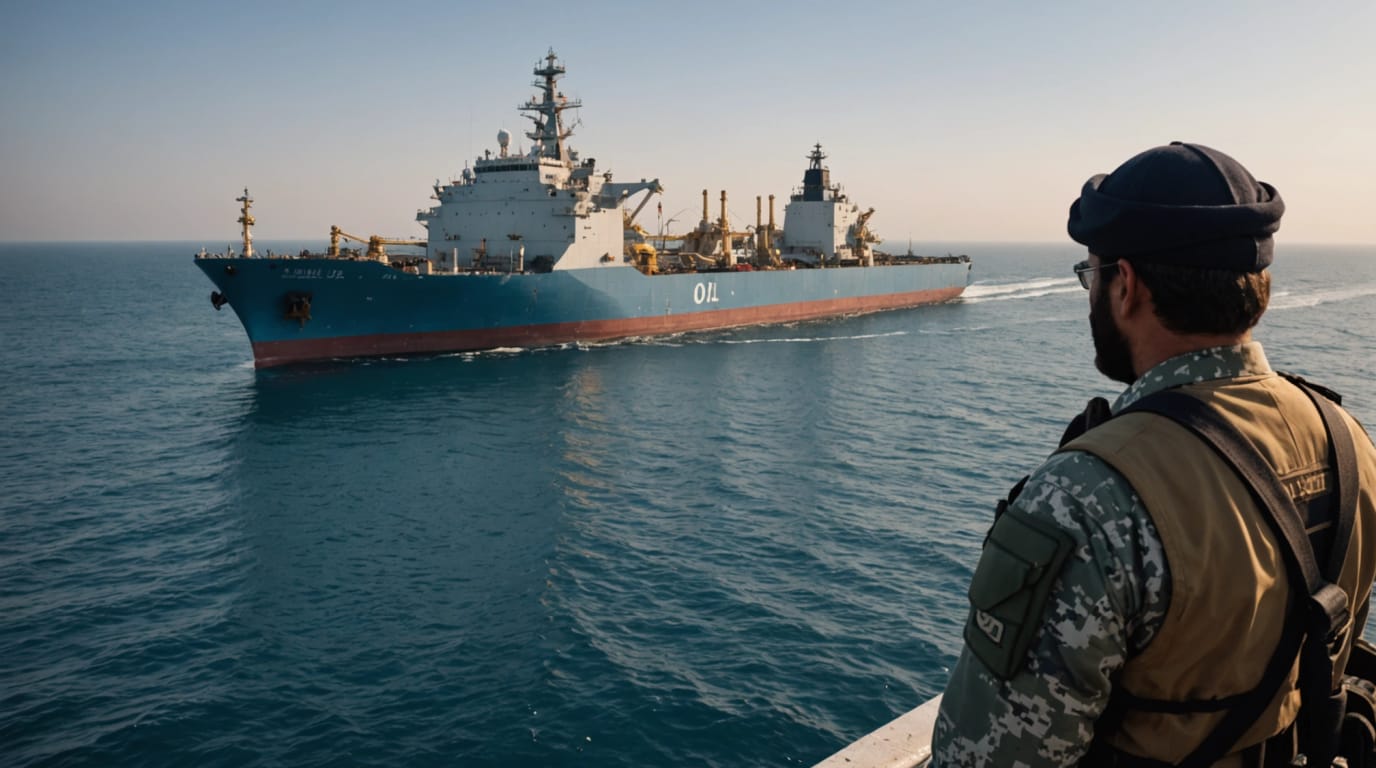
The Strait of Hormuz, a narrow waterway located between Oman and Iran, stands as the world's most important chokepoint for oil transit. Its strategic location connecting the Persian Gulf to the Gulf of Oman and the Arabian Sea makes it indispensable for global energy security. Any disruption to the flow of oil through this strait can have significant and immediate consequences on global energy markets and economies worldwide.
A Vital Artery for Global Oil Supply
Approximately 20% of the world's crude oil, roughly 20 million barrels per day, passes through the Strait of Hormuz. This volume represents more than one-quarter of total global seaborne oil trade and about one-fifth of global oil and petroleum product consumption. The strait's dimensions, approximately 21 miles wide at its narrowest point, make it a tightly controlled and high-risk zone. The depth and width of the strait are sufficient to accommodate the world's largest crude oil tankers, further solidifying its importance in the global energy network.
Several key ports are located near the Strait of Hormuz, including Iran's Bandar Abbas, a major naval and commercial port; UAE's Fujairah Port, an important oil storage and shipping point; Oman's Sohar Port, used for trade and shipping reroutes; and Qatar's Ras Laffan, a key port for liquefied natural gas (LNG) exports. These ports rely on the Strait of Hormuz as their primary sea route for exporting oil and gas.
Geopolitical Tensions and Security Risks
The Strait of Hormuz is not only a vital economic artery but also a region fraught with geopolitical tensions. The presence of major oil-producing nations on either side of the strait, coupled with regional conflicts and military presence, creates a volatile environment. These tensions can disrupt shipping routes and lead to significant fluctuations in oil prices.
Rising tensions in the region have, in the past, caused immediate price increases in global oil markets. Although maritime traffic through the Strait of Hormuz has not been blocked recently, any potential closure or disruption raises concerns about supply delays and increased shipping costs, which can substantially increase world energy prices.
Dependence and Alternative Routes
Many countries rely heavily on the Strait of Hormuz for their oil imports, particularly those in Asia. China, India, Japan, and South Korea are the top destinations for crude oil moving through the Strait, accounting for a significant portion of all Hormuz crude oil and condensate flows. India, for example, imports over 85% of its crude oil, making the strait a vital artery for its economy. Any disruption can lead to a sharp rise in oil prices, impacting the country's economy, stock markets, and currency.
While most chokepoints can be circumvented by using other routes, the Strait of Hormuz has limited practical alternatives. Some pipeline alternatives exist that can bypass the strait, but they cannot fully compensate for its capacity. These pipelines include those running from Saudi Arabia to the Red Sea. It is estimated that around 3.5 million barrels per day of effective unused capacity from these pipelines could be available in the event of a supply disruption.
Impact of OPEC+ Decisions
The Organization of the Petroleum Exporting Countries (OPEC) and its allies, known as OPEC+, significantly influence the volume of oil transiting the Strait of Hormuz. Decisions by OPEC+ to cut or increase crude oil production directly affect exports from major producers like Saudi Arabia, Kuwait, and the United Arab Emirates, which in turn impacts the amount of oil flowing through the strait.
Between 2022 and 2024, volumes of crude oil and condensate transiting the Strait of Hormuz declined, partially reflecting OPEC+'s decision to voluntarily cut crude oil production. This demonstrates the close relationship between geopolitical decisions, oil production levels, and the strategic importance of the Strait of Hormuz.
Maintaining Stability for Global Prosperity
The Strait of Hormuz remains a critical focal point for global energy security. Its continued stability is essential for ensuring uninterrupted energy supplies and maintaining global market stability. The international community closely monitors the region, and diplomatic efforts are continuously underway to mitigate tensions and safeguard the free flow of oil through this vital waterway. As global energy demand continues to rise, the Strait of Hormuz will remain a crucial factor in shaping the world's energy landscape and geopolitical dynamics.