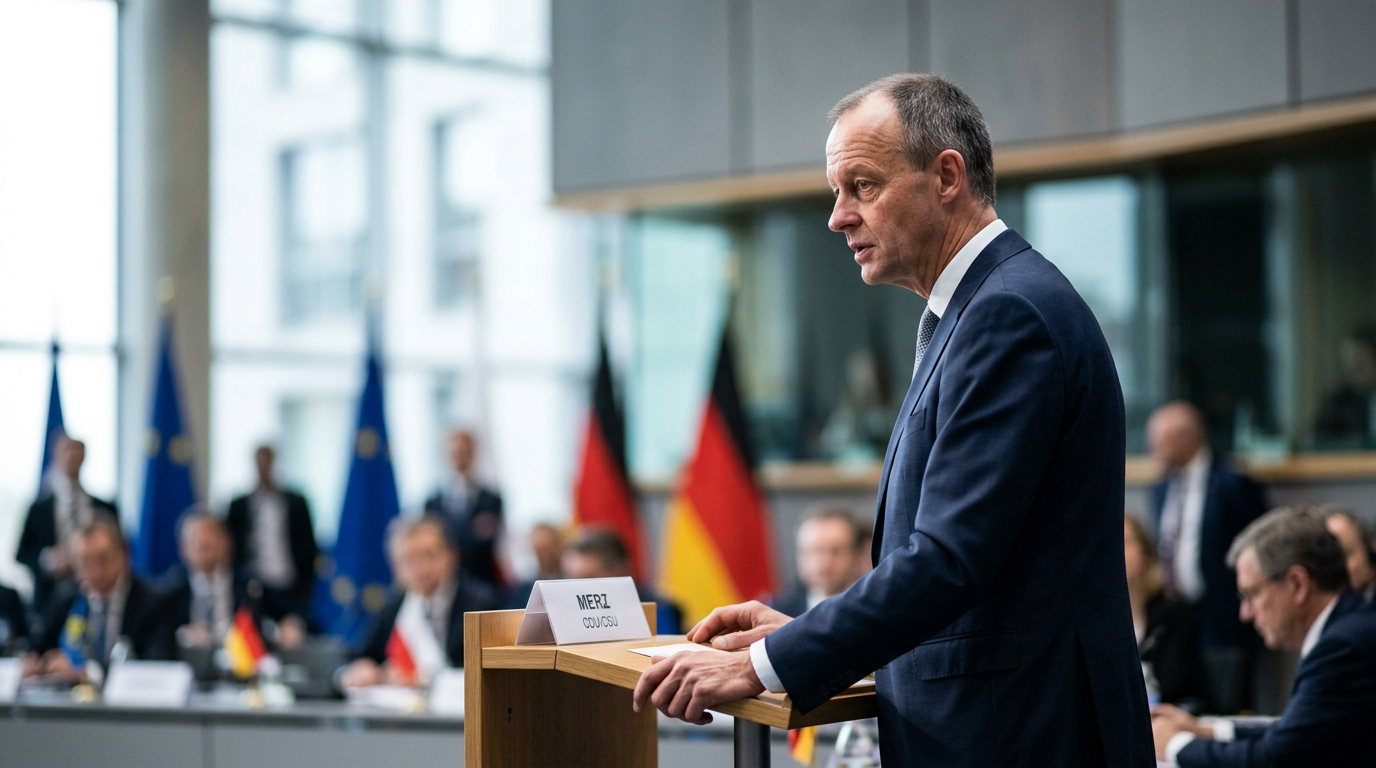
Sudan's Civil War Drives 13 Million From Their Homes, UN Reports
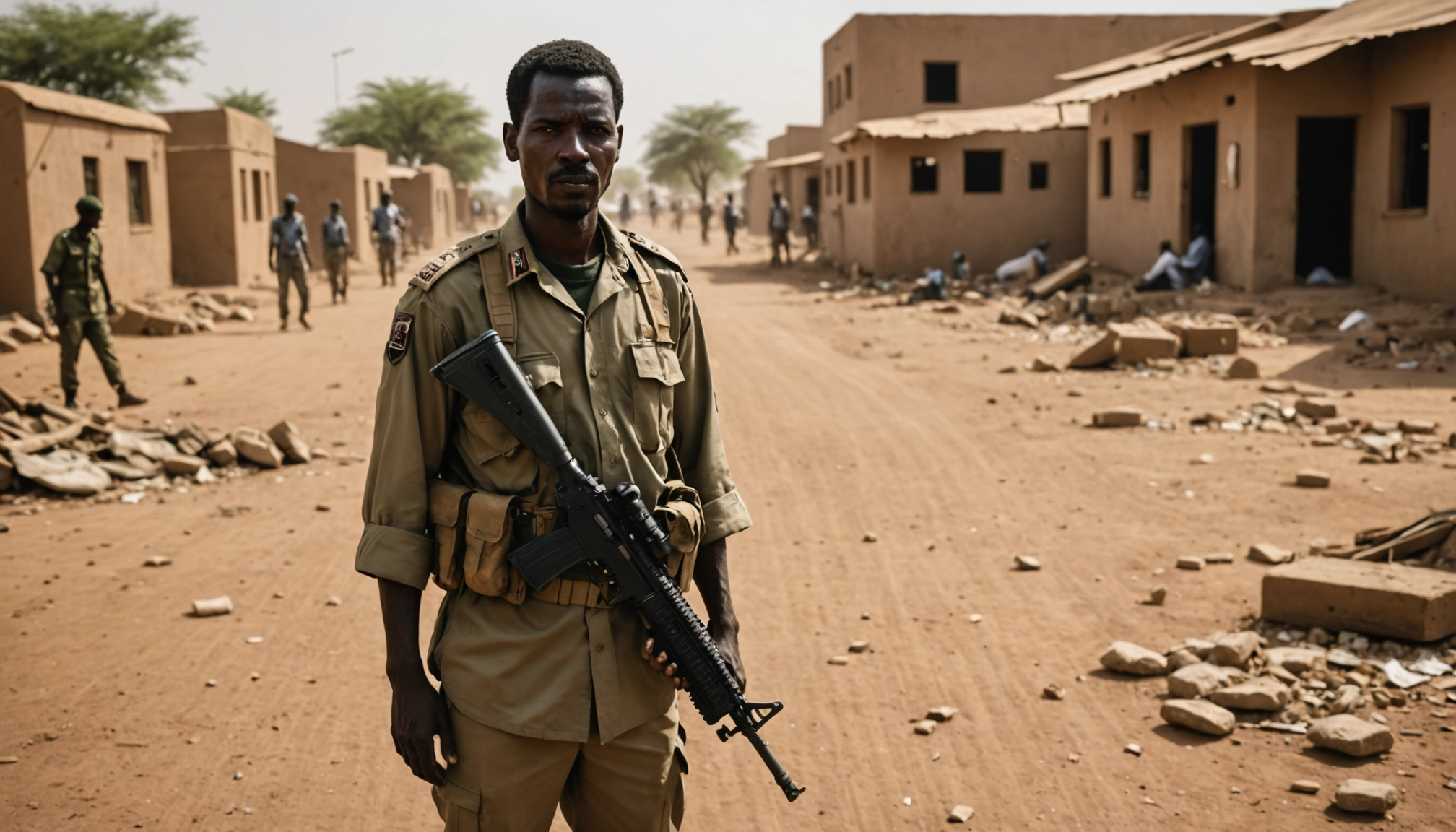
Two years of brutal conflict in Sudan have created one of the world's largest displacement crises, with the United Nations reporting that more than 13 million people have been forced to flee their homes. The fighting between the Sudanese Armed Forces (SAF) and the paramilitary Rapid Support Forces (RSF) has not only displaced millions within Sudan but has also sent waves of refugees into neighboring countries, straining already limited resources and creating a dire humanitarian situation.
A Nation Torn Apart
The conflict, which erupted on April 15, 2023, has exacerbated existing challenges in Sudan, including ongoing conflicts, disease outbreaks, economic and political instability, and climate emergencies. The UN Refugee Agency (UNHCR) reports that 8.6 million people are internally displaced within Sudan, while almost 4 million have crossed into neighboring countries such as Chad, South Sudan, Egypt, Ethiopia, Libya, the Central African Republic and Uganda. Sudan is now the country with the largest number of its people displaced as refugees in Africa.
Prior to the current conflict, Sudan was already hosting over 1 million refugees, primarily from South Sudan and Ethiopia. The ongoing violence has further complicated the situation, creating a complex web of displacement and humanitarian need.
Grim Conditions for Displaced Populations
The conditions faced by displaced populations are dire. Overcrowded camps lack adequate shelter, clean water, health care, and protection. Reduced funding for humanitarian aid has forced aid organizations to cut essential services, including access to clean water, increasing the risk of cholera and other waterborne diseases.
New arrivals in neighboring countries report experiencing systemic sexual violence and other human rights violations, as well as witnessing mass killings. Half of the displaced are children, including thousands without families. The UNHCR has expressed particular concern for the safety and well-being of these vulnerable populations.
Impact on Children and Education
The conflict has had a devastating impact on Sudanese children. UNICEF reports that Sudan is the world's largest child displacement crisis. Millions of children have been deprived of an education, with more than 90% of the country's 19 million school-age children having no access to formal education. The long-term consequences of this disruption to education are significant, potentially impacting the future of an entire generation.
Humanitarian Response and Challenges
The United Nations and its partners have launched humanitarian and refugee response plans for Sudan, aiming to provide life-saving aid and protection to nearly 21 million vulnerable people. These plans include food and livelihoods support, water, sanitation and hygiene support, health and nutrition, and shelter assistance. However, funding for these efforts remains critically low.
The UNHCR reports that funding for the regional response is less than 10% of what is needed, making it impossible to cover basic needs. The agency has called for a significant increase in funding to address the growing humanitarian crisis.
A Glimmer of Hope, Quickly Dimmed
The recent end to fighting in Khartoum offered a brief opportunity to reach refugees and displaced people who had been largely cut off from aid for two years. Thousands began returning to Khartoum and other major urban centers. However, these numbers are relatively small compared to the millions still displaced. The war has devastated the city's infrastructure and essential services, making it difficult for returning populations to rebuild their lives.
A Call for Ceasefire and Increased Support
As the conflict enters its second year, the UN is urging global action to protect and support civilians devastated by the war. The UNHCR is calling for an immediate ceasefire, increased funding for humanitarian aid, and improved access for aid organizations to reach those in need.
"The consequences of this horrific and senseless conflict spread far beyond Sudan's borders," said Filippo Grandi, UN High Commissioner for Refugees. "Neighbouring countries have shown great solidarity by welcoming refugees, even when more are arriving every day."
The situation in Sudan remains dire, with millions of people displaced and in need of assistance. Without a resolution to the conflict and a significant increase in humanitarian support, the crisis is likely to worsen, further destabilizing the region and creating a long-term humanitarian catastrophe.
Sources
Related Articles

Ratko Mladić, "Butcher of Bosnia" and Convicted War Criminal, Dies at 84
THE HAGUE, Netherlands – Ratko Mladić, the former Bosnian Serb military commander known as the "Butcher of Bosnia" and convicted of genocide, war crimes, and crimes against humanity, has died at the age of 84. Serbian...

Long-Awaited 9/11 Mastermind Trial Set for 2028, Decades After Attacks
GUANTANAMO BAY, Cuba – Nearly a quarter-century after the devastating terror attacks of September 11, 2001, a military judge has finally set a trial date for Khalid Sheikh Mohammed, the alleged mastermind behind the...