Swiss New Year's Tragedy: Inspection Lapses Under Scrutiny After Deadly Bar Fire Claims Dozens
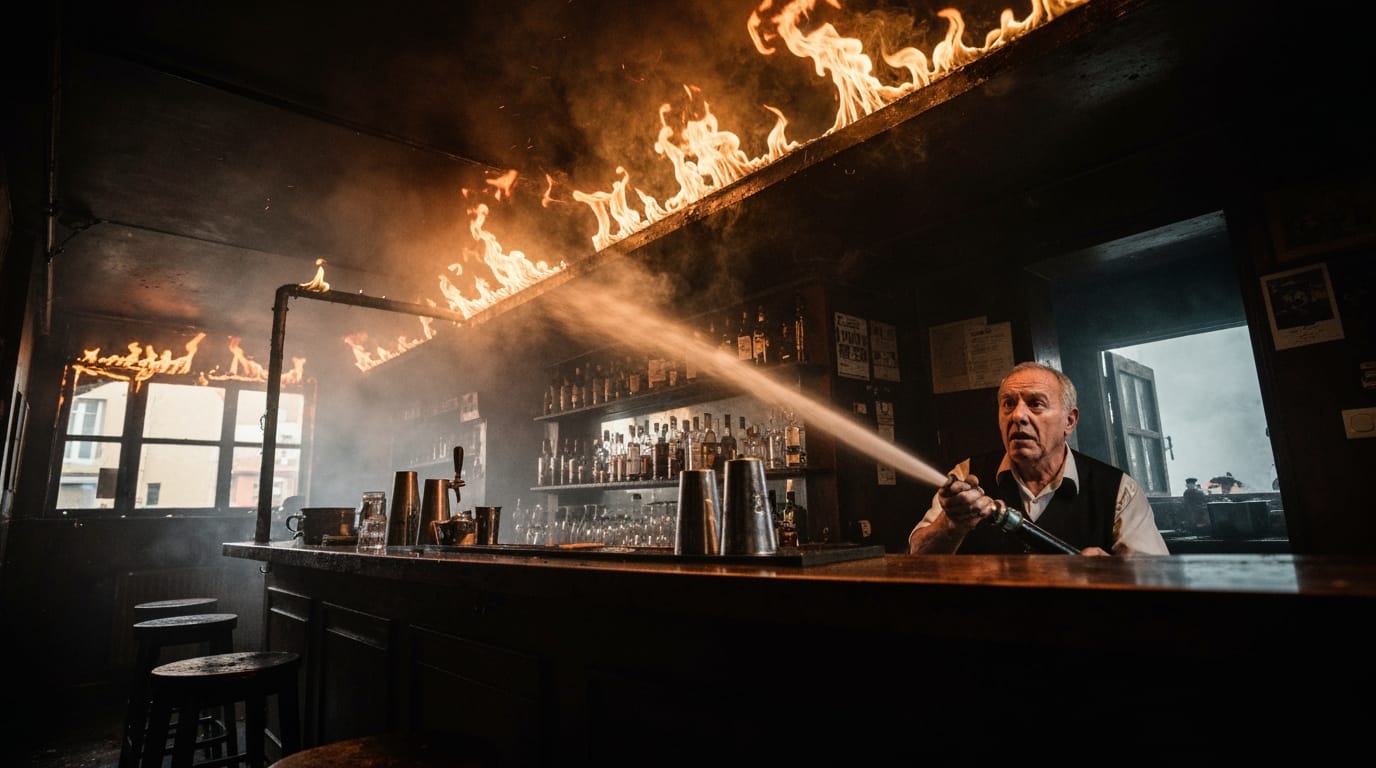
CRANS-MONTANA, Switzerland – A festive New Year's Eve celebration at a popular ski resort bar in Crans-Montana, Switzerland, turned into an unimaginable tragedy in the early hours of January 1, 2026, when a fire ripped through Le Constellation bar, killing 40 people and injuring more than 100 others. The devastating blaze, which claimed the lives of mostly young revelers, has cast a somber shadow over the Alpine community and ignited a fervent public debate over safety regulations, particularly regarding reports that the establishment may have gone years without proper safety inspections.
The catastrophic incident unfolded around 1:30 AM local time, transforming a night of revelry into a desperate fight for survival. Prosecutors indicated that the fire likely originated from sparklers or fountain candles, reportedly used on champagne bottles, igniting the ceiling of the bar's basement area. Eyewitnesses recounted seeing staff members carrying bottles topped with lit sparklers just moments before the inferno began. The flames spread with terrifying speed, exacerbated by what investigators suggest was a wooden ceiling, quickly engulfing the crowded space in thick smoke and heat that reportedly reached up to 600 degrees Celsius. The venue, popular among young people, held an official capacity of 300 inside, plus 40 on its terrace. Initial reports and survivor accounts painted a grim picture of panic and chaos as patrons, many of whom were trapped in the basement, struggled to escape through narrow exit routes, including a single, constricted staircase. Many suffered severe burns and smoke inhalation, with some requiring urgent medical evacuation to specialized hospitals across Switzerland and beyond.
Scrutiny Mounts Over Safety Compliance
The immediate aftermath of the fire quickly shifted focus to the bar's safety record and the frequency of its inspections. While one of the bar's owners, Jacques Moretti, asserted to Swiss media that Le Constellation had been inspected "three times in 10 years" and that all regulations were followed, official statements contradict this timeline, suggesting a potential lapse in annual safety checks. Stéphane Ganzer, head of security in Valais, confirmed that the investigation would meticulously examine whether the bar had undergone its mandatory annual building inspections. However, he noted that the local town had not reported any concerns or defects to the canton regarding the establishment. Italian Deputy Prime Minister Matteo Salvini publicly questioned the adequacy of inspections and emergency systems, reflecting a growing international concern over potential regulatory failures. The discrepancy between the owner's claims and the ongoing investigation into the necessity of annual checks underscores a critical point of contention, suggesting a period where the establishment might have operated without the required governmental oversight, raising serious questions about the enforcement of public safety standards.
The Heavy Human Cost of a Tragic Night
The human toll of the Crans-Montana fire is profound. All 40 victims have now been identified, with reports indicating that 20 of them were minors, some as young as 14 years old. The deceased hailed from various European countries, including Switzerland, France, and Italy, reflecting the international appeal of the resort town. The arduous task of identification was complicated by the severity of the burns sustained by many victims. Beyond the fatalities, 119 individuals sustained injuries, with many battling life-threatening conditions. Survivors recounted harrowing tales of desperate attempts to flee, with some smashing windows in a frantic bid for escape from the smoke-filled basement. The personal stories of loss, like that of 16-year-old Axel Clavier, who survived but lost a friend in the blaze, resonate deeply within the community. Switzerland has declared five days of national mourning, and leaders worldwide, including Pope Leo and Chinese President Xi Jinping, have expressed their condolences, highlighting the global impact of this tragedy.
Criminal Investigations and Calls for Accountability
In response to the disaster, Swiss authorities have initiated a criminal investigation into the two French managers who operated Le Constellation bar. They face serious allegations including homicide by negligence, negligent bodily harm, and negligent arson. Prosecutors are examining all aspects of the bar's operation, including any recent renovations, the effectiveness of fire extinguishing systems, the adequacy of escape routes, the flammability of soundproofing materials, and even whether appropriate age checks were conducted for patrons. The decision by police not to immediately arrest the bar managers, citing no flight risk, sparked public outrage and calls for swift justice from affected families and the broader community. The investigation seeks to determine if a lack of adherence to safety standards contributed to the rapid spread of the fire and the high number of casualties. This incident has reignited discussions about the responsibilities of business owners and local authorities in ensuring the safety of public entertainment venues, particularly those catering to young crowds.
A Community United in Grief and Demand for Answers
The Crans-Montana community, known for its serene Alpine landscapes, is now united in grief and a resolute demand for answers. Silent processions have been held, with residents and visitors alike paying their respects and calling for accountability to prevent such a tragedy from recurring. As the criminal investigation progresses, the focus remains on understanding precisely how this catastrophic event unfolded and, crucially, why existing safety protocols might have failed. The fire at Le Constellation serves as a sobering reminder of the critical importance of rigorous safety inspections and strict adherence to regulations in venues where large crowds gather, particularly during celebratory occasions. The findings of this investigation will undoubtedly shape future safety standards for establishments not just in Switzerland, but potentially across Europe, aiming to ensure that no other community endures such a devastating loss again.


