Tanzania Opposition Faces Crackdown as Leader Stands Trial
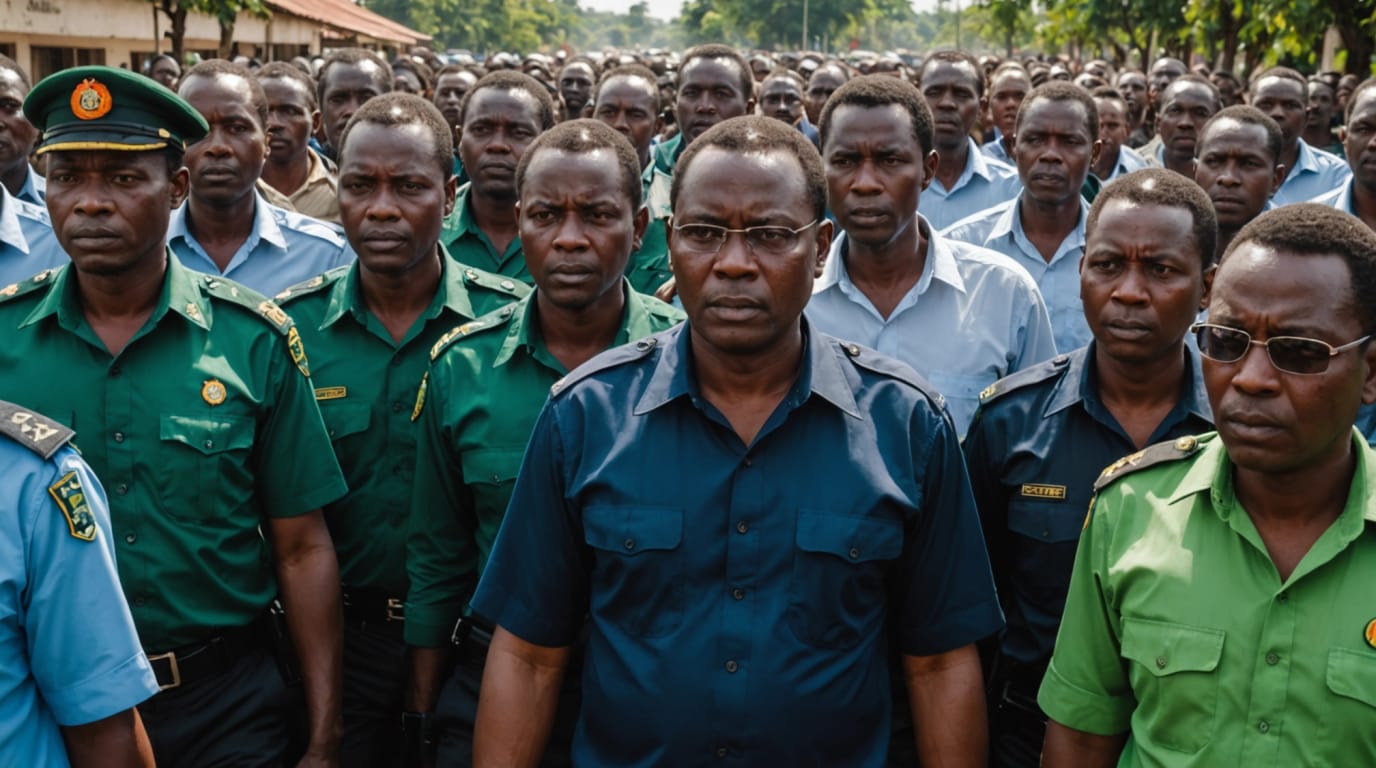
DAR ES SALAAM, Tanzania – Tanzania's political landscape is growing increasingly tense as the main opposition party, Chadema, faces a government crackdown ahead of the October 2025 general elections. The arrests of key opposition figures and the disqualification of Chadema from participating in the elections have raised concerns about the fairness and transparency of the democratic process in the East African nation.
Arrests and Treason Charges
Tundu Lissu, the leader of Chadema and a prominent critic of President Samia Suluhu Hassan's administration, was arrested on April 9 after holding a political rally in Mbinga. He was subsequently charged with treason, a non-bailable offense that carries a potential death sentence. The charges stem from social media posts in which Lissu called for Tanzanians to boycott the upcoming elections, citing concerns about potential rigging.
Adding to the turmoil, John Heche, the deputy head of Chadema, was arrested on Tuesday during a rally in Dar es Salaam held in support of Lissu. On Thursday, 13 Chadema officials were reportedly arrested while en route to a rally to support Lissu as he faced the treason charge in court. Chadema spokesperson Brenda Rupia told AFP that those arrested included John Heche and secretary general John Mnyika. Nine of the 13 were later abandoned in a wood, according to a party official.
Chadema alleges that these arrests are part of a calculated strategy to paralyze the opposition, suppress dissent, and restrict political space as the country prepares for the crucial election period.
Disqualification from Elections
The Independent National Elections Commission (INEC) disqualified Chadema from participating in the elections after the party refused to sign the 2025 Election Code of Ethics. Chadema has been demanding electoral reforms as a prerequisite for signing the code, arguing that the current system is biased in favor of the ruling Chama Cha Mapinduzi (CCM) party.
Ramadhani Kailima, the commission's director of elections, stated that any party that did not sign the code of conduct would not be allowed to participate in the general election, a disqualification that extends to all by-elections until 2030.
Concerns over Human Rights and Democracy
The recent events have drawn criticism from human rights groups and Western governments, who have expressed concerns about the erosion of democracy and the increasing repression of the opposition in Tanzania.
Amnesty International's Regional Director for East and Southern Africa, Tigere Chagutah, condemned the arrest and detention of Tundu Lissu, stating that it comes amid a growing crackdown on opposition leaders ahead of the October 2025 general elections. Chagutah called on Tanzanian authorities to immediately and unconditionally release Lissu and uphold fundamental human rights, including the right to freedom of expression and peaceful assembly.
UN human rights experts have also voiced alarm over the escalating human rights violations against opposition party members, civil society organizations, journalists, Indigenous Peoples, and human rights defenders in Tanzania. They cited incidents of harassment, intimidation, arbitrary arrests, enforced disappearances, torture, unlawful killings, and restrictions on freedom of expression.
Historical Context and Political Landscape
Tanzania has held regular multiparty elections since its transition from a one-party state in the early 1990s. However, the ruling CCM has retained power for over 60 years, and the opposition remains relatively weak.
Samia Suluhu Hassan became president in 2021 after the death of President John Magufuli, who had cracked down on critics in the opposition, media, and civil society. While Hassan initially pledged to open up political space and usher in reconciliation, critics say that her administration has increasingly resorted to repressive tactics, reminiscent of the Magufuli era.
Implications for the 2025 Elections
The crackdown on the opposition and the disqualification of Chadema from the elections raise serious questions about the credibility and fairness of the upcoming polls. With the main opposition party sidelined and its leaders facing legal challenges, the CCM is likely to face limited competition, potentially undermining the legitimacy of the electoral process.
Analysts suggest that the political strategies of Chadema and CCM in early 2025 reflect their internal dynamics and indicate the political tone heading into the general elections. CCM's confirmation of Samia Suluhu Hassan as their candidate highlights the party's attempt to maintain continuity while signaling a commitment to building a broad, inclusive leadership.
A Fraught Path Forward
As Tanzania approaches the October 2025 elections, the political climate remains tense and uncertain. The government's actions against the opposition have raised concerns about the state of democracy and human rights in the country. Whether Tanzania can ensure a free, fair, and inclusive electoral process remains to be seen. The resilience of Tanzania's democratic institutions, the resolve of its people, and the engagement of the international community will all play pivotal roles in shaping the country's future.


