Tanzania's Independence Day: Empty Streets and Heightened Tensions Mark a Nation Divided
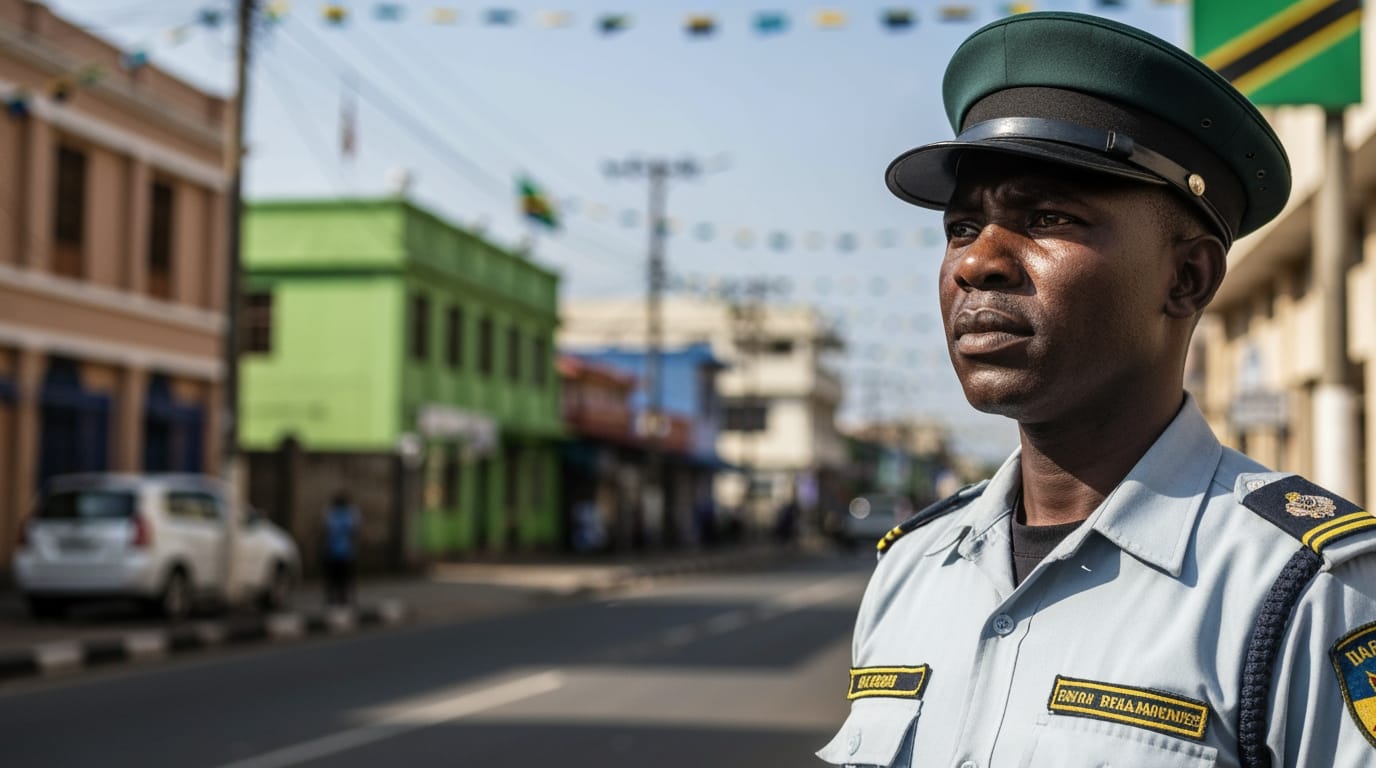
DAR ES SALAAM, Tanzania – Tanzania's bustling cities, typically vibrant with parades and festivities on Independence Day, lay eerily deserted on December 9, 2025, as a heavy security presence and a government directive to stay home overshadowed national celebrations. The quiet streets in major urban centers like Dar es Salaam, Arusha, Mbeya, and Mwanza signaled a nation grappling with profound political tensions following a disputed general election and widespread anti-government protest calls.
The unusual calm on Uhuru Day, marking 64 years since Tanganyika gained independence from British rule, was a direct consequence of combined governmental actions. Prime Minister Mwigulu Nchemba, relaying President Samia Suluhu Hassan's message, urged citizens to observe the holiday indoors, stating that only essential workers should report to duty. This directive, aimed at "balancing national celebration with public order," came amidst intensified security measures and an explicit ban on planned anti-government demonstrations.
A Nation on Edge: The October Election Aftermath
The origins of the current unease trace back to the October 29, 2025, general election, which saw President Samia Suluhu Hassan declared the winner with nearly 98% of the vote. The landslide victory was, however, immediately challenged by opposition parties and human rights organizations, who alleged widespread irregularities, voter fraud, and a violent crackdown on dissent. Reports of hundreds killed in post-election unrest, a claim the government has not publicly verified, fueled calls for nationwide protests. Opposition leaders were reportedly barred from contesting or imprisoned, further exacerbating political tensions.
In the aftermath of the contentious polls, the government implemented a five-day internet blackout and issued warnings against sharing footage of the protests, moves widely criticized by international and local rights groups as a suppression of free speech. Over 240 individuals were reportedly charged with treason following the demonstrations, though some have since been released. The US Embassy, recognizing the volatile situation, issued a security alert to its citizens, warning of potential curfews, internet disruptions, and travel delays around the December 9 date.
The Absent Celebrations: Funds Redirected Amidst Damage
Traditionally, Independence Day in Tanzania is a jubilant affair marked by grand military parades, presidential speeches, and widespread cultural showcases, symbolizing national unity and sovereignty. However, the government had preemptively canceled all official celebrations for December 9, 2025, a decision announced in November. This unprecedented move, as stated by Prime Minister Nchemba, was made to redirect the funds allocated for festivities towards repairing infrastructure damaged during the violent post-election clashes. This is not an entirely new precedent; previous administrations, notably under President John Magufuli, also canceled celebrations in 2015 and 2020 to reallocate funds for public services or infrastructure.
Despite the official cancellation, opposition groups had designated Independence Day as a nationwide day of protest, urging citizens to take to the streets to voice their grievances against the government. This counter-call for demonstrations significantly heightened the stakes, transforming a day of national pride into a potential flashpoint for confrontation.
Heavy Security and Public Compliance
On the day itself, the government's message for citizens to remain home, coupled with an overwhelming display of force, appeared largely effective in preventing mass gatherings. Major cities experienced an unusually slow start, with public transportation grinding to a halt and many businesses remaining shut. Police and military personnel were visibly deployed across urban centers, patrolling streets, erecting roadblocks, and conducting identity checks on the few individuals venturing outside. One reporter in Dar es Salaam recounted being stopped and searched multiple times within a short period, illustrating the pervasive security presence.
The government had declared the planned demonstrations illegal, with police spokesperson David Misime stating that organizers had not followed proper notification procedures and intended to destabilize public order. Several activists believed to be organizing the protests were arrested in the days leading up to December 9, prompting condemnations from regional human rights networks who voiced concerns about shrinking civic space and the suppression of fundamental freedoms.
A Somber Reflection on Freedom
Tanzania's Independence Day, or Uhuru Day, commemorates December 9, 1961, when Tanganyika, under the leadership of Julius Nyerere, achieved independence from British colonial rule. It is a day that traditionally emphasizes "Uhuru na Umoja" (Freedom and Unity). However, the events of December 9, 2025, painted a different picture, one of a nation grappling with deep-seated political divisions and a visible struggle between state authority and the right to peaceful assembly.
The deserted streets, while perhaps preventing immediate clashes, served as a stark reminder of the underlying tensions. Instead of celebrating national unity with communal joy, many Tanzanians observed their Independence Day from the confines of their homes, under a quiet but palpable atmosphere of apprehension and heavy security. The day concluded without major reported demonstrations, but the quiet of the cities may conceal deeper anxieties about the country's democratic trajectory and the future of civic freedoms.


