Tensions Flare as US and Iran Trade Blows Amid Stalled Peace Efforts
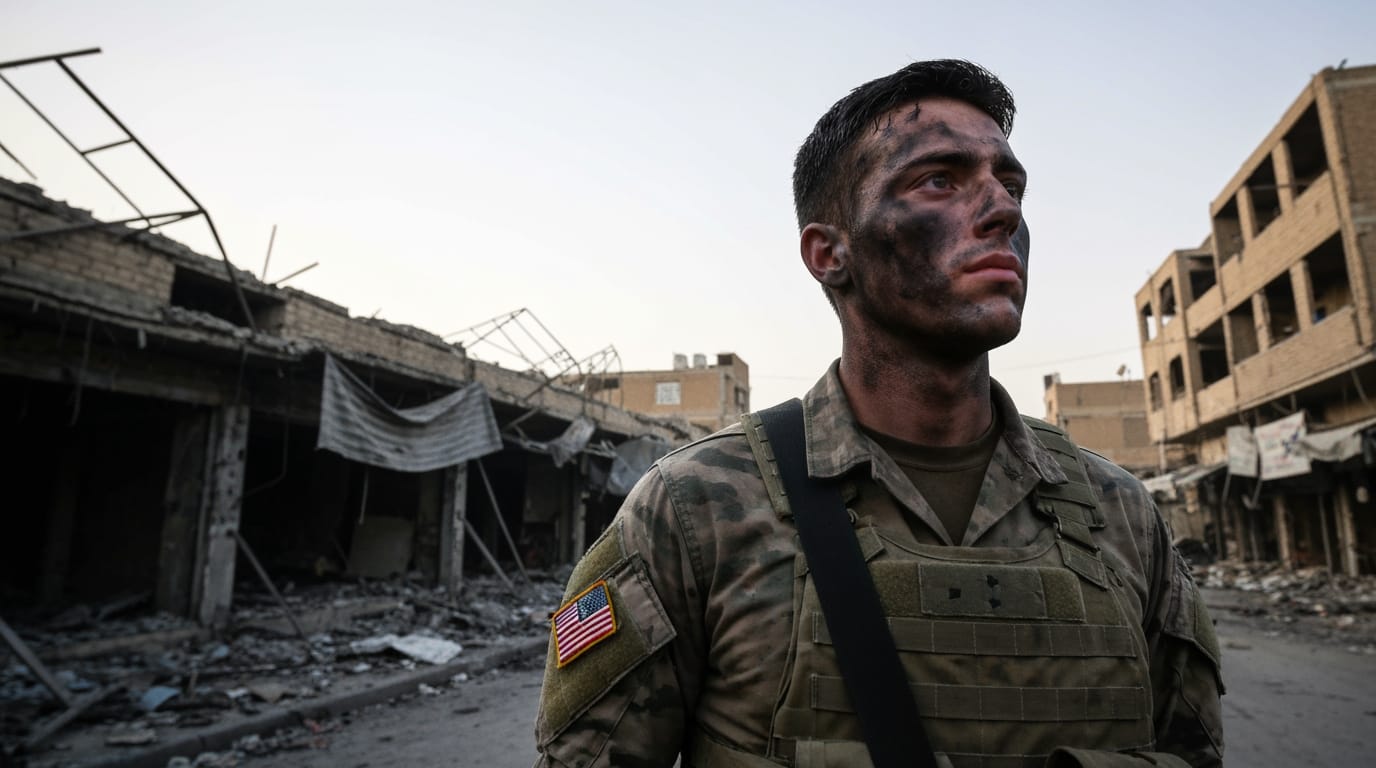
A precarious standoff between the United States and Iran has intensified, with both nations engaging in renewed military actions even as fragile ceasefire talks struggle to gain traction. The latest exchanges of fire underscore a deeply entrenched conflict, characterized by irreconcilable demands and a persistent risk of broader regional escalation, particularly as negotiations falter over critical issues like Iran's nuclear program and the escalating conflict in Lebanon.
Escalating Tensions and Recent Confrontations
Recent days have witnessed a series of military confrontations between the United States and Iran, further straining an already fragile ceasefire that has been in place since early April. On Monday, both Washington and Tehran confirmed trading strikes, with the U.S. military reporting "self-defense strikes" on Iranian radar and drone control sites in southern Iran over the weekend. These actions were reportedly in response to the downing of a U.S. MQ-1 drone. This marks the third such wave of U.S. strikes in just over a week.
Iran's Revolutionary Guards, in turn, announced they had targeted an "air base from which the attack originated" used by the U.S. military, though they did not specify the base's location. Coinciding with these developments, the Kuwaiti military activated its air defenses, intercepting what it described as "hostile missile and drone attacks" without attributing their origin. Further adding to the volatility, U.S. forces reportedly fired a Hellfire missile to disable a tanker attempting to breach an American blockade of the Strait of Hormuz, later repelling Iranian retaliatory attacks and striking sites on Iran's Qeshm Island.
The Strait of Hormuz remains a critical flashpoint and a vital chokepoint for global oil supplies, with its disruption having significant economic repercussions worldwide. The ongoing conflict, which began on February 28, 2026, with U.S. and Israeli airstrikes on Iran, has seen a continuous cycle of military posturing and retaliatory actions. Previous incidents include U.S. forces striking Iranian missile and drone positions after threats to three U.S. warships transiting the strait. These military engagements reflect the deep distrust between Washington and Tehran, with each side asserting it is acting in self-defense.
The Stalled Diplomatic Path
Despite the military exchanges, diplomatic efforts to broker a lasting peace agreement continue, albeit with significant hurdles. Indirect talks, mediated in part by Pakistan and occurring in various locations including Oman, Geneva, and Islamabad, have been ongoing since April 2025 and intensified in early 2026. However, these negotiations have been marked by sharp rhetoric and a failure to reach a comprehensive deal to end the war and ensure the reopening of the Strait of Hormuz.
The primary sticking points in these negotiations revolve around Iran's nuclear program, its ballistic missile capabilities, and its network of regional proxies. The United States has consistently demanded that Iran achieve "zero enrichment" of uranium and destroy its existing stockpile of enriched uranium, alongside an unconditional reopening of the Strait of Hormuz without tolls. Iran, conversely, views its nuclear program as essential for regime survival and sovereign deterrence, dismissing calls for its curtailment.
Iran has also set its own preconditions for substantive nuclear talks, demanding the release of $12 billion in frozen assets and a halt to Israel's military offensive in Lebanon. Iranian officials, including chief negotiator Mohammad Bagher Ghalibaf and Foreign Minister Abbas Araghchi, have emphasized that a ceasefire in Lebanon is an "essential condition" for any broader peace agreement and have accused the U.S. of violating the ceasefire through its actions. While there have been reports of a tentative agreement to extend the ceasefire by 60 days and initiate new nuclear talks, U.S. President Donald Trump's approval and specific language points remain under discussion. Secretary of State Marco Rubio has expressed optimism about a potential deal but reiterated that sanctions relief is contingent on Iran severely curtailing its nuclear activities and reopening the Strait of Hormuz.
Regional Entanglements and Broader Implications
The U.S.-Iran conflict is inextricably linked to other regional flashpoints, most notably Israel's expanding offensive in Lebanon against the Iran-backed group Hezbollah. This parallel conflict has added another layer of complexity to the already strained U.S.-Iran relations. The U.S. has supported Israel's operations in Lebanon, viewing them as targeting "terror targets" and seeking to curb Hezbollah's influence. However, Iran views the Israeli offensive as a direct violation of the broader ceasefire and a deliberate attempt to undermine diplomatic efforts. This dynamic highlights how Iran leverages regional issues as bargaining chips in its negotiations with the U.S.
The economic ramifications of the protracted conflict are also significant and far-reaching. The effective closure or severe disruption of the Strait of Hormuz has sent global oil prices skyrocketing and created an "energy shock" that impacts economies worldwide. Analysts have described the situation as an "escalation trap," where tactical victories for one side can lead to strategic deterioration, pushing leaders toward further escalation rather than concession. Instability in the region, particularly around key energy chokepoints, can inadvertently increase Iran's bargaining leverage by pressuring global markets and U.S. allies.
The Path Forward: Uncertainty and Potential Scenarios
The current trajectory of the U.S.-Iran relationship is marked by profound uncertainty. While reports suggest that a broader peace agreement might be nearing finalization, the continuous trading of blows and the deep-seated disagreements on core issues present formidable obstacles. The failure of previous negotiations, coupled with the U.S. withdrawal from the 2015 Joint Comprehensive Plan of Action (JCPOA) in 2018, underscores the historical challenges in achieving a diplomatic breakthrough.
The strategic contradiction lies in the differing objectives: the U.S. seeks to curtail Iran's nuclear and ballistic missile programs and regional influence, while Iran views these elements as crucial for its security and survival. The current state of "controlled escalation," characterized by limited military actions and intensified rhetoric, carries an inherent risk of miscalculation that could lead to a full-scale conflict. The international community remains watchful, cognizant that the outcome of these stalled talks and ongoing military engagements will profoundly shape regional stability and global security.
Despite the complexities and the cycle of violence, diplomatic channels remain open, indicating a persistent, albeit tenuous, commitment to finding a resolution. The challenge lies in bridging the significant trust deficit and finding common ground on issues that both nations consider fundamental to their national interests.


