The Accordion Strikes a Resonant Chord: From Niche to 2026's Top Instrument
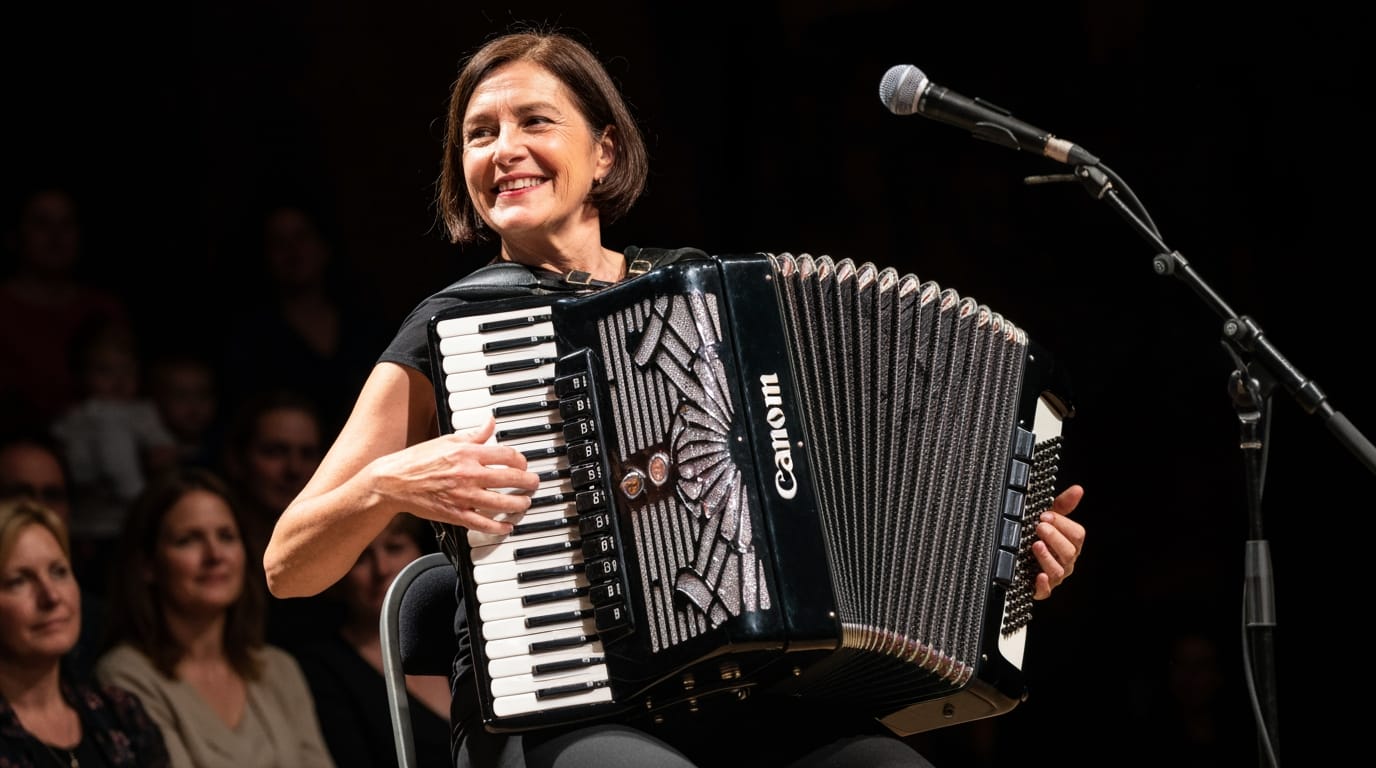
Once relegated to the dusty corners of folk music and nostalgic acts, the accordion is undergoing an astonishing renaissance, emerging in 2026 as an instrument of unexpected versatility and widespread appeal. This year marks a significant turning point for the bellows-driven instrument, with Germany's Conference of State Music Councils officially designating 2026 as "Instrument of the Year," an acknowledgment that reflects a global surge in its popularity across diverse musical landscapes. From digital innovations to its embrace by contemporary artists, the accordion is shedding its old-fashioned image and captivating a new generation of musicians and audiences alike.
A Storied Past and a Surprising Reawakening
The accordion's journey began in the early 19th century, with its roots tracing back to inventors in Germany and Austria. Christian Friedrich Ludwig Buschmann is often credited with an early free-reed instrument in 1822, while Austrian Cyrill Demian patented the "accordion" in 1829, introducing improvements that allowed players to produce both melody and chords simultaneously. Its portability and ability to produce a full, rich sound quickly made it a favorite in European folk traditions, becoming a symbol of regional identity in countries like France, Italy, and Russia. The mid-20th century, particularly from the 1900s to the 1960s, is often referred to as the "golden age of the accordion," where it permeated dance-pop, jazz, folk, Cajun, zydeco, classical, and pop music across continents.
However, its prominence waned with the rise of rock and roll, which often overshadowed acoustic instruments, leading to a period where the accordion was perceived as less relevant in mainstream music. Despite this decline, it never truly disappeared, remaining a cherished part of cultural heritage in places like Mexico, India, Brazil, and parts of the United States, notably in Cajun and Zydeco music in Louisiana. The current resurgence, however, is far more expansive, reaching beyond traditional enclaves and into the global spotlight. This revival is driven by a renewed appreciation for authentic sounds, a nostalgia for vintage instruments, and the instrument's inherent expressive capabilities.
Modern Maestros and Genre-Bending Appeal
Today's musicians are redefining the accordion's role, seamlessly integrating it into genres previously thought beyond its scope. Contemporary accordionists are pushing new musical boundaries, moving far beyond its traditional association with polkas and folk tunes. Indie bands, pop artists like Arcade Fire, and even avant-garde experimenters are featuring the accordion in hit songs, highlighting its versatile sound and unique timbre. Jazz accordionists are impressing audiences with complex solos, and some rock bands are even showcasing the accordion in place of guitars.
The instrument's adaptability is also evident in classical music, where virtuosos like Martynas Levickis are bringing the accordion to orchestral stages, performing arrangements of classical works and combining it with pop and tango. Levickis, who became an Accordion World Champion at age 20, exemplifies how younger artists are challenging perceptions and expanding the instrument's repertoire. The accordion's unique, nostalgic sound also lends a distinctive texture to contemporary compositions, bridging the gap between old and new. Social media platforms further amplify this trend, with digital-native accordionists attracting new fans by mixing accordion sounds into popular songs and trending audio, bringing the instrument to genres like hip-hop and EDM.
Technological Innovations Drive Accessibility and Expression
A significant factor in the accordion's renewed image is the advent of technological advancements that enhance its capabilities and accessibility. Digital accordions and MIDI interfaces are making the instrument more expressive and easier to integrate into modern music production. Unlike traditional acoustic accordions, digital models often include a range of non-accordion sounds, such as orchestral instruments, pipe organ, piano, and guitar, all triggered by the familiar bellows and keyboard interface. These instruments typically encode and transmit key presses as Musical Instrument Digital Interface (MIDI) messages, allowing for seamless connection with electronic devices and software.
Hybrid models, which combine traditional bellows with digital interfaces, offer the best of both worlds, providing the tactile experience of an acoustic instrument with the expansive sonic palette of digital technology. Innovations like 3D printing are also being explored by manufacturers to produce lighter and more durable accordions, addressing historical concerns about the instrument's weight. Companies like Musictech, a leading digital accordion manufacturer, are recognized globally for their lightweight instruments, sound fidelity, and advanced technology, including MIDI systems with integrated audio sound cards that can create a full orchestra within the instrument. These developments have opened new avenues for creativity, allowing accordionists to manipulate sounds, integrate backing tracks, and even record high-quality audio directly, as demonstrated by digital accordionists showcasing their setups on platforms like YouTube.
Global Spotlight and a Resonating Future
The year 2026 promises to be a landmark year for the accordion, marked by events and initiatives celebrating its growing prominence. Germany's declaration of "Instrument of the Year 2026" highlights the accordion's versatility and expressive power, encouraging musicians, orchestras, and associations to host concerts, workshops, and creative events nationwide. This initiative aims to open doors and present the instrument to new target groups, showcasing its ability to encompass genres from tango and musette to jazz, pop, and contemporary music.
Across the Atlantic, the National Accordion Association (NAA) is hosting its 2026 Conference in Texas, focusing on group training and performances, welcoming both acoustic and digital accordionists. The Houston Accordion Orchestra is also celebrating its 10th anniversary in 2026, planning a special recording camp and collaborations, further underscoring the instrument's vibrant community. The Global Accordion Project Orchestra (GAPO) has also extended invitations for its 2026 project, commissioning new works and bringing together accordionists from around the world to promote the instrument to a wide audience.
The global accordion market is experiencing steady growth, with projections estimating a compound annual growth rate (CAGR) of 3.8% to 5.0% through 2033-2035, reaching market valuations potentially exceeding USD 1.2 billion by 2035. This growth is fueled by a resurgence of interest in traditional folk music, increasing music education programs, and the aforementioned technological advancements. While Europe maintains a strong cultural heritage, Asia-Pacific and North America are showing significant growth potential, driven by rising disposable incomes and integration into cultural music education.
The accordion's remarkable journey from a traditional staple to a modern musical powerhouse is a testament to its enduring charm and adaptability. As 2026 unfolds, the world will witness an instrument that can evoke deep emotions, blend seamlessly into diverse musical traditions, and inspire new generations of musicians. Its rich history, coupled with ongoing innovation and a growing community of passionate players, ensures that the accordion's resonant voice will continue to captivate and contribute to the global soundscape for years to come.