The High Cost of Unchecked Ambition: Examining Tesla's Safety Record Amidst Mounting Scrutiny
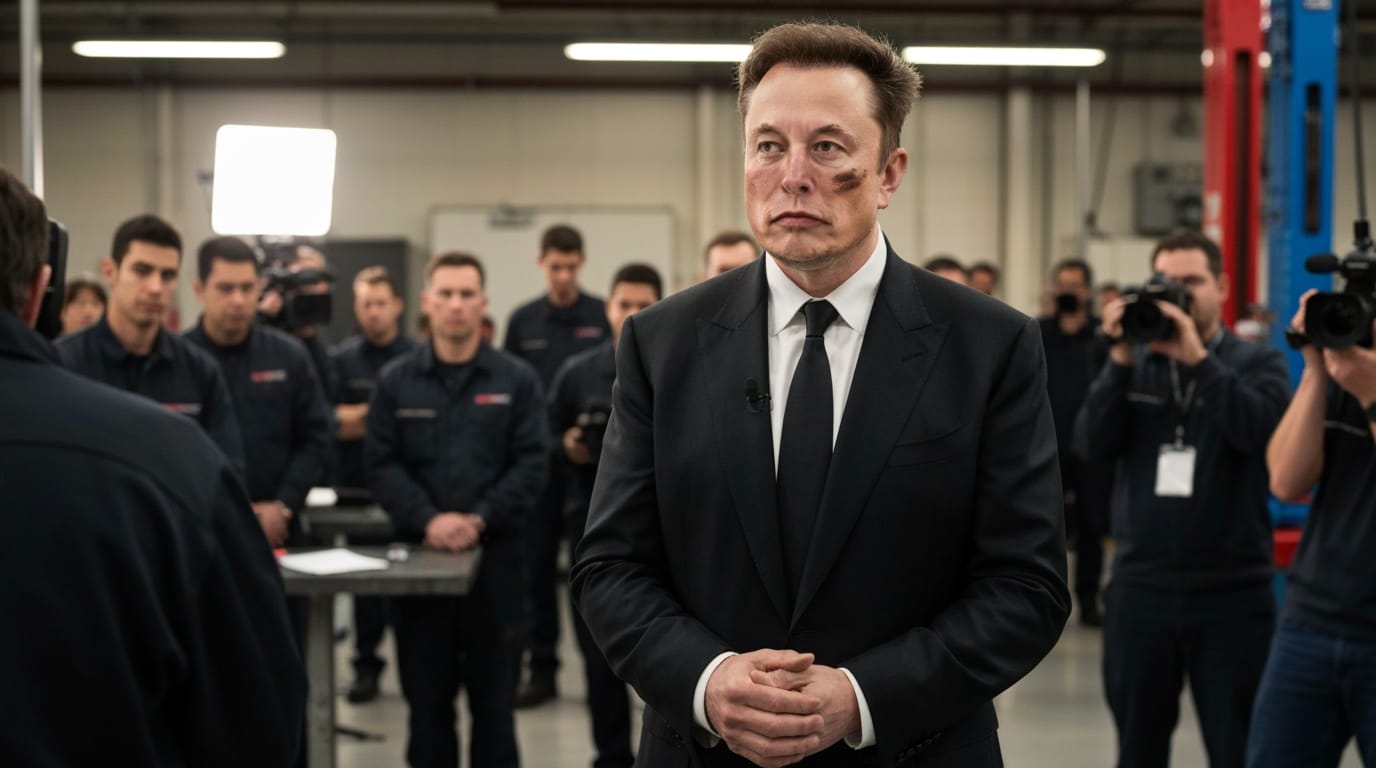
A new documentary, "Elon Musk Unveiled – The Tesla Experiment," spotlights a growing narrative around the electric vehicle giant: that its relentless pursuit of innovation, particularly in autonomous driving technology and rapid production, has come at a significant human cost. The film, drawing on whistleblowers and victims, suggests a corporate culture where "unchecked ambition" may have overridden critical safety considerations, leading to injuries and fatalities both on public roads and within its manufacturing facilities. This exposé emerges amidst ongoing federal investigations, regulatory fines, and multiple lawsuits challenging Tesla's safety practices and its chief executive, Elon Musk's, leadership.
The Autonomous Dream Encounters Harsh Reality
Tesla has long championed its advanced driver-assistance systems, Autopilot and Full Self-Driving (FSD), as revolutionary technologies designed to enhance safety. However, this vision has been increasingly challenged by a series of incidents and persistent regulatory concerns. Federal auto safety regulators, specifically the National Highway Traffic Safety Administration (NHTSA), have launched numerous investigations into Tesla's autonomous features following reports of crashes, injuries, and deaths.
In one notable case, a Miami jury found Tesla partly responsible for a deadly 2019 crash involving its Autopilot system, ordering the company to pay victims over $240 million in damages. NHTSA's probes have identified at least 13 fatal crashes where Autopilot was implicated, with investigators noting that the company's claims did not align with the system's actual capabilities. Concerns have also been raised about "foreseeable driver misuse" due to a "weak driver engagement system" and the potentially misleading nature of the "Autopilot" and "Full Self-Driving" names, which some argue lead drivers to overestimate the technology's capabilities.
A broad investigation by NHTSA currently spans nearly 2.9 million Tesla vehicles equipped with FSD, prompted by dozens of reports of traffic safety violations. These incidents include vehicles running red lights, driving on the wrong side of the road, and making illegal turns, sometimes resulting in crashes and injuries. The agency is also examining why Tesla may not have promptly reported crashes involving its Level 2 driving systems, a federal requirement. Internally, Tesla's own data has shown a pattern of frontal plane crashes with Autopilot engaged that attentive drivers could have avoided, highlighting issues with driver disengagement and the system's design.
Workplace Safety Under the Microscope
Beyond the vehicles themselves, Tesla's manufacturing facilities have also faced intense scrutiny over worker safety. The Occupational Safety and Health Administration (OSHA) has conducted numerous investigations into Musk's companies, including Tesla, documenting violations that range from exposure to hazardous chemicals to serious injuries and even fatalities.
In a tragic instance, a contract electrician, Victor Gomez Sr., was electrocuted to death at Tesla's Gigafactory near Austin, Texas, while inspecting electrical panels. OSHA subsequently fined Tesla nearly $50,000 for three "serious" safety violations related to the incident, citing a lack of protective equipment, lax safety policies, and inadequate safeguards on dangerous machinery. This was not an isolated event; OSHA previously fined Tesla for exposing four workers at the same Austin Gigafactory to hexavalent chromium, a known carcinogen, without proper training or monitoring.
Reports indicate a pattern of workplace hazards and alleged disregard for safety protocols. At SpaceX, a former supervisor filed a lawsuit alleging "despicable conduct" regarding safety practices, claiming chronic understaffing led to injuries and that the company prioritized aggressive launch schedules over essential training and safety measures. Within Tesla, former employees have described a culture where rapid development and cost-cutting were prioritized, sometimes overriding engineering concerns. During the height of the COVID-19 pandemic in 2020, Musk controversially reopened the Fremont factory in defiance of stay-at-home orders, an action followed by hundreds of reported infections among workers. Tesla has also been cited for failing to provide adequate cooldown breaks for outdoor workers and for omitting hundreds of injuries from its annual summary data submitted to regulators.
Regulatory Hurdles and Transparency Concerns
Tesla's interactions with regulatory bodies have often been contentious. The company has a documented history of challenging citations and, in some cases, allegedly failing to comply with requests for data. For instance, Tesla had to hand over $243 million in damages in a wrongful death lawsuit after initially claiming it didn't have data that was later recovered from its servers by a hacker. This raises questions about data transparency and cooperation with investigations.
In February 2026, California authorities forced Tesla to change the name of its "Full Self-Driving" system, deeming the term misleading. The company is currently facing a deadline to provide self-driving data to NHTSA for its ongoing investigation, with a history of requesting extensions. These ongoing battles with regulators and legal challenges underscore a fundamental tension between Tesla's ambitious technological advancements and the established frameworks for ensuring public and workplace safety.
The Unfolding Experiment
The documentary "Elon Musk Unveiled – The Tesla Experiment" paints a picture of a company where innovation is paramount, but the experimental nature of its advanced technologies and demanding production environment carries tangible risks. The human stories highlighted in the film, from crash victims to injured workers, serve as a stark reminder of the profound consequences when technological ambition pushes against safety boundaries. As regulatory bodies continue to scrutinize Tesla's practices and as lawsuits proceed through the courts, the full impact of this "experiment" continues to unfold, challenging perceptions of safety in an era of rapid technological change.