The Hidden Health Crisis: Women Bear the Unseen Burden of Household Labor
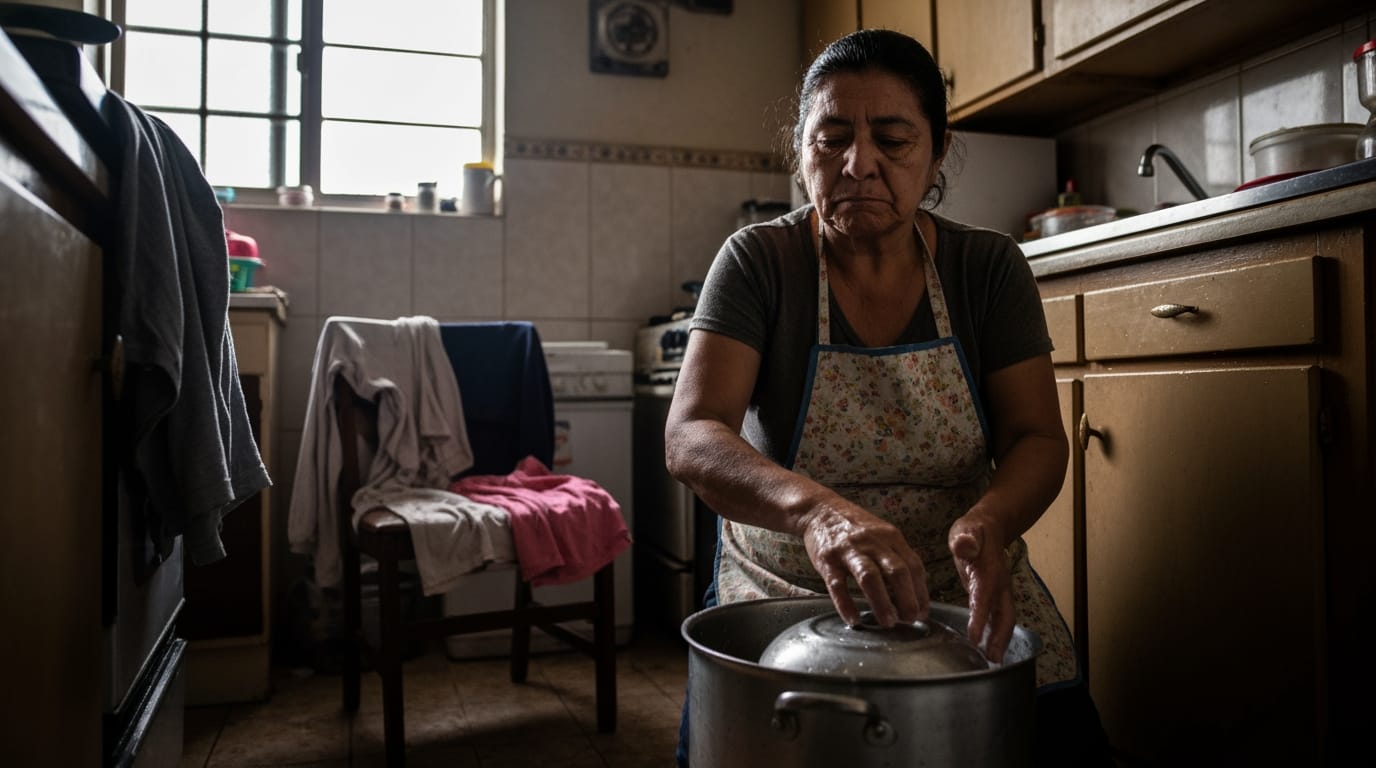
Washington D.C. — Across the globe, women are silently shouldering an overwhelming and disproportionate share of unpaid household and care work, a burden that is exacting a severe toll on their physical and mental health. This invisible labor, encompassing everything from daily chores to the intricate planning of family life, is not only undermining women's well-being but also impeding their economic advancement and perpetuating gender inequality in societies worldwide. As researchers increasingly quantify the profound impact of this imbalance, a clearer picture emerges of a silent health crisis demanding urgent attention and systemic change.
The Invisible Workload: A Pervasive Gendered Imbalance
The statistics paint a stark picture of unequal labor distribution within households. Globally, women dedicate significantly more time to unpaid domestic and care work than men, often three times as much, according to the International Labour Organization (ILO). UN Women data further corroborates this, indicating that women perform at least 2.5 times more domestic and caregiving work than men. This translates to women spending an average of 5.7 hours per day on such tasks in the United States, compared to 3.6 hours for men, representing a 37 percent difference.
This disparity is particularly pronounced in routine, time-intensive tasks. Women are predominantly responsible for cooking, cleaning, and laundry, while men tend to handle less frequent duties like yard work or car maintenance. The arrival of children further widens this gender gap. Studies show that 91 percent of women with children dedicate at least one hour daily to housework, compared to only 30 percent of men. This pattern intensified during the COVID-19 pandemic, where the overall burden of unpaid household work increased for both genders, but women disproportionately absorbed the majority of these heightened responsibilities. This enduring imbalance underscores deep-seated societal expectations that assign caregiving and domestic roles primarily to women.
The Silent Strain: Mental and Physical Health Toll
The cumulative effect of this unequal distribution extends far beyond household harmony, directly impacting women's physical, mental, and emotional health. The mental health consequences are particularly profound. Women facing extensive unpaid care work report higher levels of mental distress, reduced life satisfaction, and an elevated risk of depression, anxiety, and other common mental disorders. A critical, yet often unacknowledged, component of this burden is "cognitive labor." This refers to the invisible work of planning, anticipating needs, organizing schedules, and delegating tasks within the household. Research indicates that mothers, for instance, undertake roughly 73 percent of all cognitive household labor, significantly more than their partners.
This cognitive load is a major driver of women's stress, burnout, depression, and relationship dissatisfaction, often having a more significant impact on psychological well-being than physical labor disparities. The constant mental engagement required for managing household logistics leaves women with fewer opportunities for leisure, rest, or personal growth, exacerbating feelings of frustration and isolation. Physiologically, women who perceive household tasks as highly stressful exhibit higher cortisol levels and slower recovery from stress. Beyond mental health, physical health also suffers, with increased susceptibility to long-term complications, chronic fatigue, musculoskeletal pain, insomnia, and headaches frequently reported.
Economic Disparity and Lost Potential
The economic implications of women's unpaid household labor are far-reaching, contributing to systemic gender inequality. This work is largely invisible in traditional economic metrics and national accounting systems like Gross Domestic Product (GDP), leading to its undervaluation. Globally, women contribute an estimated 76 percent of all unpaid care work. If this unpaid care work were to be monetized at minimum wage, its global value would exceed $10.8 trillion annually – an amount more than three times the size of the global tech industry. In the United States alone, this figure was estimated at $1.5 trillion in 2019.
This immense, uncompensated contribution has tangible negative consequences for women's economic lives. It significantly limits their opportunities for education, employment, and personal development. The burden of unpaid care work contributes directly to the gender wage gap, reduces women's participation in the labor force, and curtails their ability to accumulate wealth. Alarmingly, 45 percent of working-age women are excluded from the labor market due to unpaid care responsibilities, compared to only 5 percent of men. This creates a "motherhood penalty," where women often reduce their paid work hours or leave the workforce entirely due to childcare demands, reinforcing financial dependence and widening economic disparities.
Root Causes: Societal Norms and Policy Gaps
The unequal distribution of household labor is deeply intertwined with ingrained societal gender norms and expectations. Historically, these norms have dictated that caregiving and domestic responsibilities are primarily the domain of women, reinforcing traditional roles where men are seen as breadwinners and women as homemakers. These cultural beliefs are perpetuated through early socialization, where girls are often encouraged to embrace caregiving roles while boys are directed toward other pursuits.
Beyond cultural expectations, a lack of supportive policies plays a significant role in exacerbating the imbalance. Inadequate access to affordable childcare services and insufficient parental leave policies place an additional burden on women, particularly working mothers. Economic inequality itself also limits access to resources that could alleviate the caregiving burden, such as hiring domestic help. These interlocking factors create a complex web that maintains and reinforces the gendered division of labor, making meaningful change challenging without a comprehensive approach.
Towards a More Equitable Future
Addressing the health crisis stemming from the disproportionate burden of household labor on women requires a multi-faceted approach involving significant policy reform, advocacy, and a fundamental shift in societal attitudes. Experts advocate for policies that "recognize, reduce, and redistribute" unpaid care work. This includes increasing public investment in services that ease the caregiving burden, such as affordable, high-quality childcare and eldercare. Implementing comprehensive paid parental leave policies for both parents is crucial to encourage shared responsibilities from the outset.
Promoting gender equality in the labor market, including ensuring equal pay, can also indirectly lead to a more equitable distribution of household tasks. Campaigns like #HeForSheAtHome aim to encourage men to take on a fairer share of domestic duties, challenging ingrained stereotypes. Furthermore, there is a call to challenge cultural expectations of "good" womanhood that impose an unrealistic standard of domestic perfection, thereby reducing the immense pressure on women. Some nations, like Sweden, have even explored monetizing domestic work and subsidizing outsourced services through tax breaks to alleviate the load. Ultimately, recognizing the immense value of unpaid care work and investing in public services and infrastructure are vital steps toward freeing women's time, improving their health, fostering economic equality, and building more resilient and equitable societies for all.