The New Cold Rush: As Temperatures Soar, Tourists Flock to Cooler Climes, Testing Nature's Limits
As record-breaking heatwaves scorch traditional summer vacation spots, a significant shift in global tourism is underway, with travelers increasingly seeking refuge in cooler destinations. This "coolcation" phenomenon is redirecting millions to the Arctic, mountainous regions, and Northern European countries, offering a reprieve from sweltering temperatures and overcrowded beaches. However, this burgeoning demand places immense pressure on the fragile ecosystems and infrastructure of these previously less-traveled areas, raising urgent questions about nature's capacity to cope with a sudden influx of visitors.
The Great Migration to Milder Latitudes
The primary catalyst for this evolving travel landscape is the undeniable impact of climate change, which has transformed once-idyllic Mediterranean and southern Asian getaways into challenging environments marked by extreme heat and wildfires. The desire for comfortable weather, coupled with a preference for outdoor activities better suited to milder temperatures, is driving this trend. Travelers are actively avoiding locations where temperatures regularly exceed 100°F (38°C), opting instead for destinations that allow for comfortable hiking, sightseeing, and immersive nature experiences without the discomfort of excessive heat.
Northern European nations such as Iceland, Norway, Finland, and Sweden are experiencing unprecedented summer surges, with search volumes for cooler climates growing by an impressive 237% from June to August in recent years. Places like Iceland, with its dramatic landscapes, glaciers, and waterfalls, offer mild summer temperatures, making it an attractive alternative to southern European hotspots. Similarly, mountain retreats in Canada and Switzerland have seen bookings rise by 80% over the last two summers, with U.S. travelers' interest in mild-climate mountain destinations increasing by 117% this summer alone. This shift reflects a broader consumer value change, prioritizing wellness, sustainability, and the mitigation of stress from overtourism in traditionally crowded areas.
Fragile Ecosystems Under Unprecedented Strain
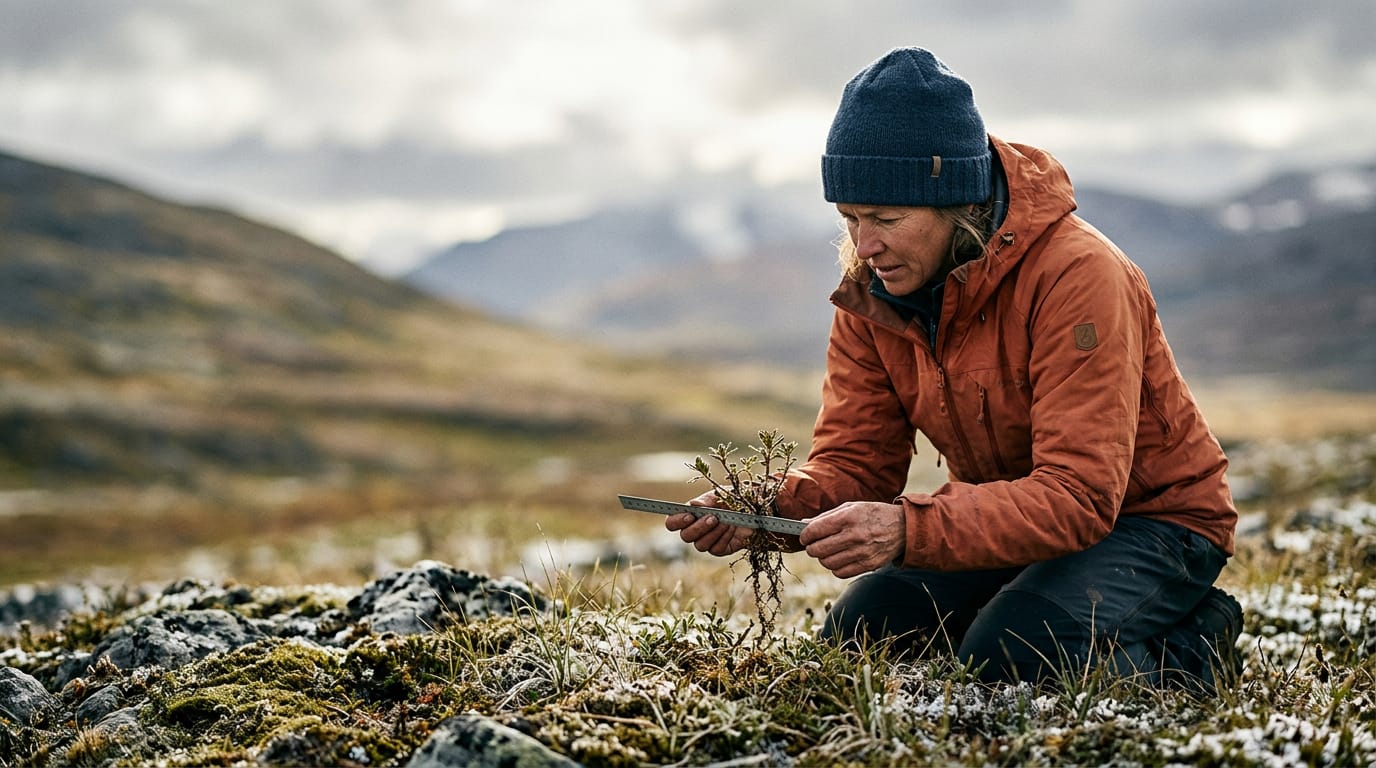
While the economic benefits of increased tourism are welcomed by many communities in these cooler regions, the environmental consequences pose a significant challenge. Many of these destinations, particularly polar and high-altitude areas, are characterized by delicate ecosystems highly vulnerable to human impact and already contending with the direct effects of climate change.
In the Arctic and Antarctic, for instance, increased tourism exacerbates existing threats to pristine environments. Melting ice sheets and rising sea levels are already disrupting wildlife habitats, and the influx of visitors can lead to pollution from ships and human activity, and the potential introduction of non-native species. The sheer volume of maritime traffic in the Arctic, which has increased by almost 500% in the last 15 years, combined with an 800% rise in land-based tourism over the past decade, presents significant challenges. Issues such as potential oil spills, marine accidents, and waste from garbage and sewage become stark realities, requiring robust emergency responses and stringent regulations. The natural behavior of wildlife, such as seals, whales, and penguins, can be disrupted, causing stress and affecting their breeding and feeding patterns.
Mountain ecosystems also face substantial threats from burgeoning tourism. Deforestation, habitat loss, and biodiversity reduction are critical concerns. Increased human presence leads to pollution and waste, strain on limited water resources, and accelerated soil erosion. The infrastructure of these regions, often designed for smaller populations and less intense visitation, struggles to accommodate the surge, impacting the quality of life for local communities. While tourism can provide a lifeline to mountain communities, unregulated growth risks ecological degradation and places a heavy burden on natural resources.
Economic Boon and Social Crossroads
The redirection of tourist flows offers a dual-edged sword for host communities. On one hand, it presents significant economic opportunities, providing income, creating jobs, and stimulating local economies. In many mountain regions, tourism has proved vital for livelihoods and can contribute to the preservation of local resources and culture if managed sustainably. Indigenous communities in the Arctic, for example, can benefit from increased visitor spending.
However, the rapid escalation of tourism also brings potential negative social and cultural impacts. Overcrowding can dilute the authentic experiences travelers seek, while rising costs of living and services can displace long-term residents. Cultural commodification, where local traditions and values are altered to cater to tourist demands, is another risk. The financial benefits from tourism are often unequally distributed along the value chain, frequently disadvantaging local service providers and employees. Moreover, the strain on infrastructure, from transportation to waste management, can overwhelm local services and detract from residents' quality of life.
Charting a Course for Sustainable "Coolcations"
Addressing the complex challenges posed by the "coolcation" trend requires proactive and integrated approaches to sustainable tourism. The goal is to maximize economic benefits while minimizing environmental and social costs. For polar regions, organizations like the International Association of Antarctica Tour Operators (IAATO) and the Association of Arctic Expedition Cruise Operators (AECO) have established strict guidelines to minimize environmental impact, respect wildlife, support scientific research, and educate visitors about conservation. These principles emphasize choosing eco-friendly tour operators that prioritize efficient waste management, reduced carbon emissions, and engagement with local communities.
In mountain areas, sustainable tourism development needs to focus on preserving natural resources and cultural heritage while boosting local incomes. This includes improving data collection to better understand tourism volumes and impacts, investing in green infrastructure, and supporting small and medium-sized businesses. Eco-tourism initiatives, such as guided nature hikes and biodiversity workshops, are emerging to raise awareness among visitors about minimizing their environmental footprint. Implementing "bounce-forward" decisions, which enable destinations to adapt to climate change and generate more sustainable economic, environmental, and social outcomes, is crucial for long-term resilience. Limiting tourist numbers in sensitive areas and banning polluting forms of transport are also strategies being considered to mitigate negative impacts.
The paradox of climate change driving tourism to regions now threatened by the same global warming demands careful navigation. The world's cooler havens offer respite for many, but their allure must be balanced with robust conservation efforts and responsible management to ensure their unique natural and cultural assets endure for generations to come. The future of these emerging tourist destinations hinges on the collective commitment to sustainable practices that protect both the environment and the communities that call these cool places home.