The Unconventional Weapon: How Trademarks Are Being Deployed Against Neo-Nazis
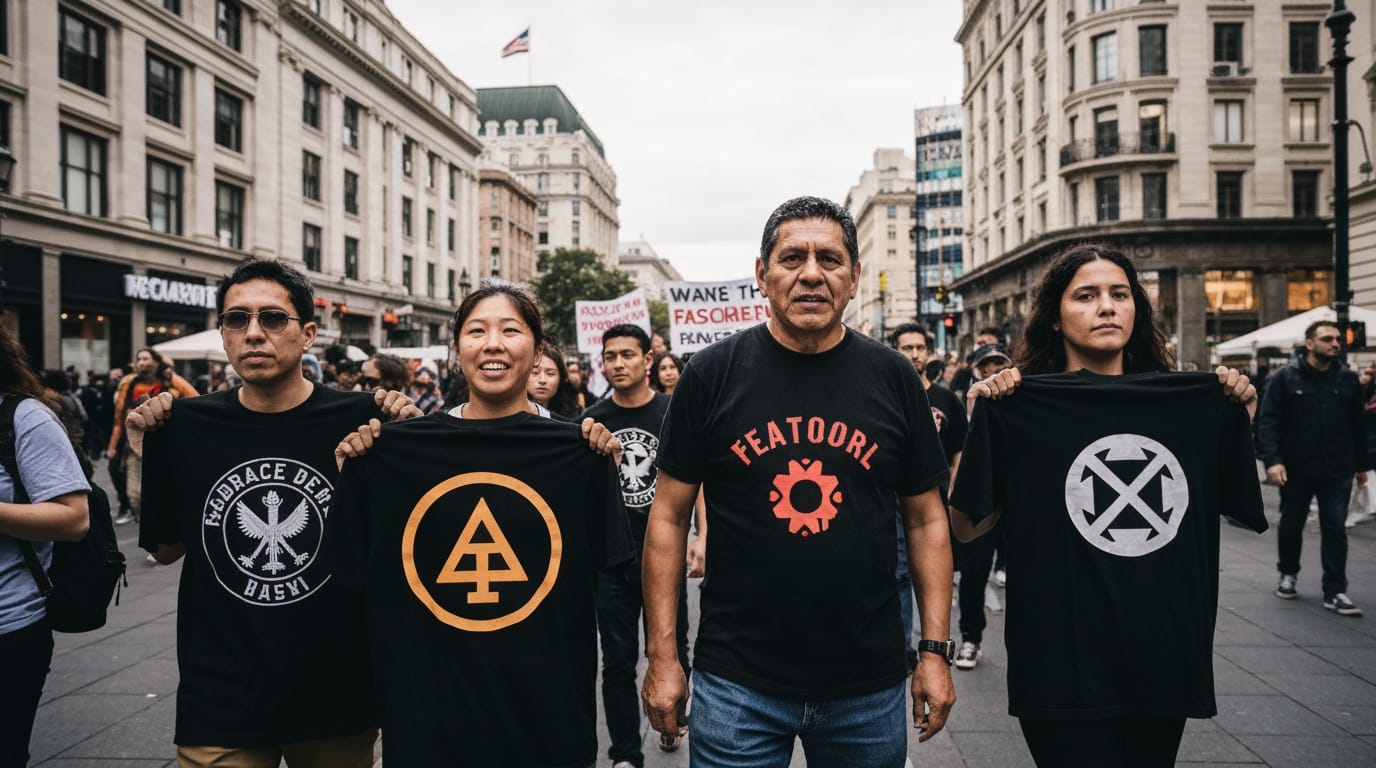
In an innovative turn of legal strategy, anti-fascist organizations and a coalition of fashion brands are leveraging the intricate world of trademark law to disrupt the spread of neo-Nazi ideology and its associated merchandise. This unexpected front in the battle against hate groups targets the subtle, coded symbols used by extremists to bypass overt bans, effectively turning intellectual property rights into a potent tool against the financing and dissemination of far-right messages. The initiative, dubbed "Fashion Against Fascism," highlights a growing recognition that combating modern extremism requires equally modern and adaptable approaches.
Exploiting Loopholes: The Rise of Coded Hate
For decades, many countries, particularly Germany and Austria, have implemented strict laws prohibiting the public display of overt Nazi symbols like the swastika and the "SS" sig runes. However, far-right groups and neo-Nazis have continuously adapted, developing a complex lexicon of numerical and alphanumeric codes, abbreviations, and stylized imagery to communicate their hateful messages discreetly. These codes allow them to circulate merchandise that appears innocuous to the uninformed but carries clear, sinister meanings within extremist circles. For instance, "HKNKRZ" stands for Hakenkreuz (swastika), "VTRLND" for Vaterland (Fatherland), and "88" is a numerical code for "Heil Hitler" (H being the eighth letter of the alphabet). Other examples include "18" for Adolf Hitler and "311" for the Ku Klux Klan. This coded "fashion" has become a significant source of funding for these organizations and a subtle method for spreading their racist beliefs.
A Legal Counter-Offensive: Registering Hate
Recognizing this loophole, the German anti-fascist association Laut gegen Nazis, in collaboration with the advertising agency Jung von Matt, devised a novel legal strategy. Their campaign, "Recht gegen Rechts" (Right against Right), involved identifying and registering these specific neo-Nazi codes and abbreviations as trademarks. By doing so, they gained legal ownership over these symbols, enabling them to pursue legal action against anyone, including neo-Nazis, who attempts to use them for commercial gain. This strategy makes it costly for hate groups to profit from their own coded language. The European Union Intellectual Property Office has seen registrations such as "VTRLND'" and "HKNKRZ" as part of this effort.
"Fashion Against Fascism": A Unified Industry Front
Building on the success of "Recht gegen Rechts," Laut gegen Nazis and Jung von Matt escalated their efforts with the "Fashion Against Fascism" initiative. This movement has forged an unprecedented alliance with major German fashion retailers and e-commerce platforms, including Zalando, Spread Group, About You, Avocadostore, BAUR, bonprix, and Vinted. The core of "Fashion Against Fascism" is a comprehensive online database of Nazi codes, meticulously curated and continuously updated by experts, including former neo-Nazis, to accurately identify right-wing extremist messages.
Participating companies integrate this database with their systems to automatically scan their online shops for listed codes. This proactive approach aims to prevent the unwitting sale of merchandise emblazoned with extremist symbols, thereby cutting off a crucial funding stream for hate groups and preventing the subtle dissemination of their propaganda. The initiative has demonstrated significant impact, with reports indicating that over a billion online items have been scanned and millions of articles banned, successfully disrupting one of the neo-Nazis' primary sources of income. This collaboration highlights the power of collective action, bringing together competitors in the online fashion business to stand against a common threat.
Broader Implications and Ongoing Challenges
The success of trademark-based interventions against neo-Nazis points to a broader trend in combating hate speech and extremism through intellectual property law. While outright bans on Nazi symbols exist in many countries, the fluid nature of extremist communication often means that legal frameworks struggle to keep pace. The "Fashion Against Fascism" initiative provides a dynamic, private-sector-led solution that can adapt more quickly to emerging codes than traditional legislation.
In the United States, a different aspect of trademark law, "dilution through tarnishment," has been explored as a weapon against hate groups co-opting established logos. For example, when a neo-Nazi group created a logo mimicking the Detroit Red Wings, the hockey franchise could potentially sue for tarnishment, arguing that association with hate groups degrades the positive aspects of their brand, even if there's no likelihood of consumer confusion. This underscores the versatility of trademark law in protecting brand integrity from unwanted associations with extremism.
Despite these innovative strategies, challenges persist. The constant evolution of extremist codes demands continuous vigilance and updates to databases. Moreover, some symbols can have dual meanings, making universal prohibition complex. The Kolovrat, for instance, is a swastika-like symbol used by neo-Nazis but also by some neo-pagans, and the Iron Cross, a German military medal, was appropriated by Nazis with the addition of a swastika. Distinguishing malicious intent from legitimate cultural or historical usage can be a nuanced task.
Conclusion
The "Fashion Against Fascism" movement represents a significant evolution in the fight against neo-Nazism. By strategically employing trademark law and fostering unprecedented collaboration across the fashion industry, activists and brands are building a powerful defense against the insidious spread of coded hate. This proactive approach not only disrupts the financial networks of extremist groups but also raises public awareness about the subtle ways neo-Nazis propagate their ideology through everyday items. As extremist narratives continue to adapt, the innovative application of legal and commercial tools offers a compelling model for civil society to stand united, making it harder for hate to find a home in the marketplace or within the cultural fabric. The ongoing efforts demonstrate that deterring fascism can sometimes involve an unexpected, yet highly effective, blend of legal acumen and fashion vigilance.