The Unsinkable Allure: Why Pop Culture Remains Captivated by the Golden Age of Piracy
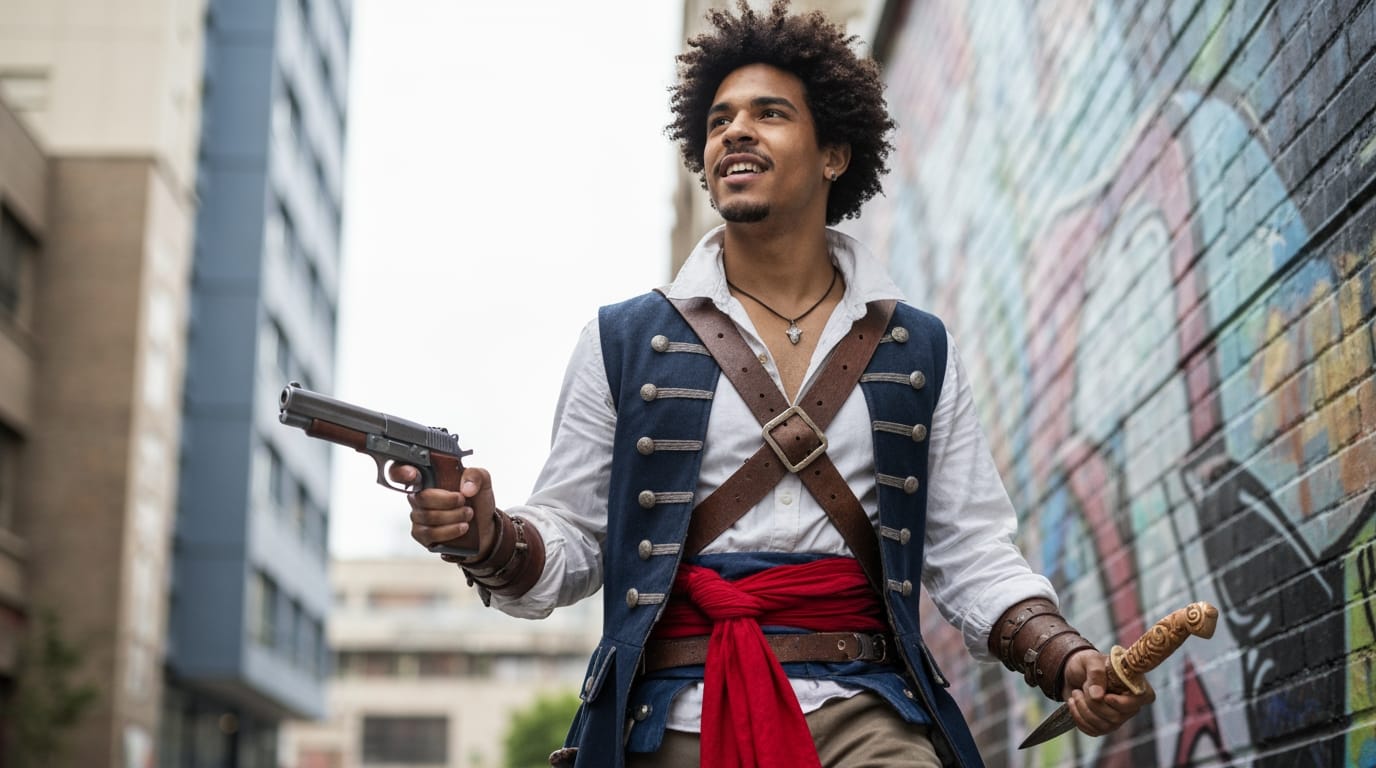
The siren call of the open sea, the thrill of rebellion, and the promise of untold riches have long anchored piracy firmly in the popular imagination. As a highly anticipated remake, Assassin's Creed: Black Flag Resynced, prepares to set sail on July 9, 2026, the enduring fascination with swashbuckling buccaneers is once again brought to the fore. This digital odyssey, a ground-up recreation of the acclaimed 2013 title, serves as a testament to the powerful hold that the romanticized image of pirates maintains over contemporary culture, transforming historical outlaws into compelling figures of adventure and defiance.
The Myth of the Jolly Roger: Crafting the Romantic Rogue
The popular image of pirates, adorned with eye patches and peg legs, hunting for buried treasure marked by an 'X', is largely a construct of centuries of storytelling rather than a factual reflection of their often-brutal reality. The romanticization of piracy began as early as 1684 with Alexandre Exquemelin's "The Buccaneers of America," an eyewitness account that, despite its gruesome details, captivated readers. This trend was further solidified by "A General History of the Robberies and Murders of the Most Notorious Pirates," published in 1724 under the pseudonym Captain Charles Johnson, widely believed to be Daniel Defoe. These early narratives chronicled the exploits of figures like Blackbeard, cementing them in public consciousness. Later literary works, notably Robert Louis Stevenson's 1883 novel "Treasure Island," were instrumental in popularizing tropes such as buried treasure, tropical islands, and distinctive pirate physicalities, many of which had little basis in historical fact. These fictionalized accounts often depicted pirates as exciting and colorful, even if they were still portrayed as villains, paving the way for more heroic interpretations.
Sailing Digital Seas: Assassin's Creed and the Gaming Boom
The video game industry has played a significant role in revitalizing and reshaping the pirate genre for new generations. While early titles like Sid Meier's Pirates! (1987) hinted at the genre's potential with open-world adventure and naval combat, it was games like Assassin's Creed IV: Black Flag that propelled it into a mainstream phenomenon. Released in 2013, Black Flag was celebrated for its immersive historical setting during the Golden Age of Piracy, detailed naval battles, and deep narrative that allowed players to live out the fantasy of a pirate's life. Players could engage in activities ranging from treasure hunting and ship boarding to exploring the exotic locales of the Caribbean. The game's protagonist, Edward Kenway, a privateer turned pirate, navigates a world filled with famous historical figures like Blackbeard, Charles Vane, and Anne Bonny, blending historical context with the overarching conflict of the Assassin's Creed universe. The success of Black Flag underscored a growing demand for well-crafted pirate games, with the genre now constituting a notable percentage of adventure game revenues. Its forthcoming remake, Black Flag Resynced, aims to further enhance this experience with stunning visuals and upgraded gameplay, ensuring the continued digital legacy of the buccaneers.
Beyond Booty: The Allure of Freedom and Rebellion
The enduring appeal of pirates extends beyond mere swashbuckling adventure, tapping into deeper human desires for freedom and rebellion. Pirates are often seen as ultimate symbols of anti-establishmentarianism, defying the rigid social structures and oppressive authorities of their time. This perception resonates with audiences who long for an escape from modern societal constraints, offering a vicarious experience of unrestrained living. The romanticized pirate embodies individualism and non-conformity, a figure who takes control of their own destiny outside the bounds of conventional law. Historically, some pirates were even perceived as "Robin Hoods of the Sea," garnering respect from commoners frustrated by class hierarchies. Furthermore, pirate ships during the Golden Age often operated with surprisingly democratic structures, electing their captains and sharing plunder, presenting a stark contrast to the harsh conditions aboard naval or merchant vessels, and reflecting a libertarian ideal that continues to captivate. This blend of adventure, autonomy, and defiance creates a compelling narrative that allows audiences to fulfill a repressed desire for wildness and freedom without leaving the safety of their homes.
A Visual Feast: The Enduring Aesthetic of the High Seas
The distinct aesthetic associated with piracy is another crucial element in its sustained popularity. The iconography of the Jolly Roger, the dramatic flair of period clothing, the exotic beauty of tropical islands, and the sheer spectacle of grand sailing ships create a rich visual tapestry that is instantly recognizable and endlessly adaptable. Pop culture has embraced this "piratecore" aesthetic, celebrating elements like rustic decor, marine motifs, and the thrill of exploration and treasure hunting. From Captain Jack Sparrow's eccentric style in "Pirates of the Caribbean" to the meticulously designed ships and environments in Assassin's Creed IV: Black Flag, these visual elements transport audiences to a bygone era of adventure. The allure of uncharted territories, the mystery of ancient maps, and the promise of hidden wonders all contribute to a captivating visual narrative that fuels the imagination. This aesthetic provides a backdrop for tales of daring exploits and breathtaking journeys, solidifying the pirate's place as an iconic figure of adventure.
The Unsinkable Appeal
The multifaceted appeal of pirates in pop culture, from their romanticized portrayal in early literature to their vibrant digital incarnations in games like Assassin's Creed IV: Black Flag, remains undeniable. It is a complex blend of escapism, the thrill of rebellion, the allure of adventure, and a rich, evocative aesthetic that continues to capture imaginations. While the harsh realities of historical piracy were far from glamorous, the fictionalized rogue of the high seas provides a powerful canvas for exploring themes of freedom, defiance, and the enduring human quest for a life unburdened by societal norms. As new media continues to reinterpret and reimagine these legendary figures, the fascination with the Golden Age of Piracy, and the captivating characters it has inspired, shows no signs of diminishing its hold on popular culture.